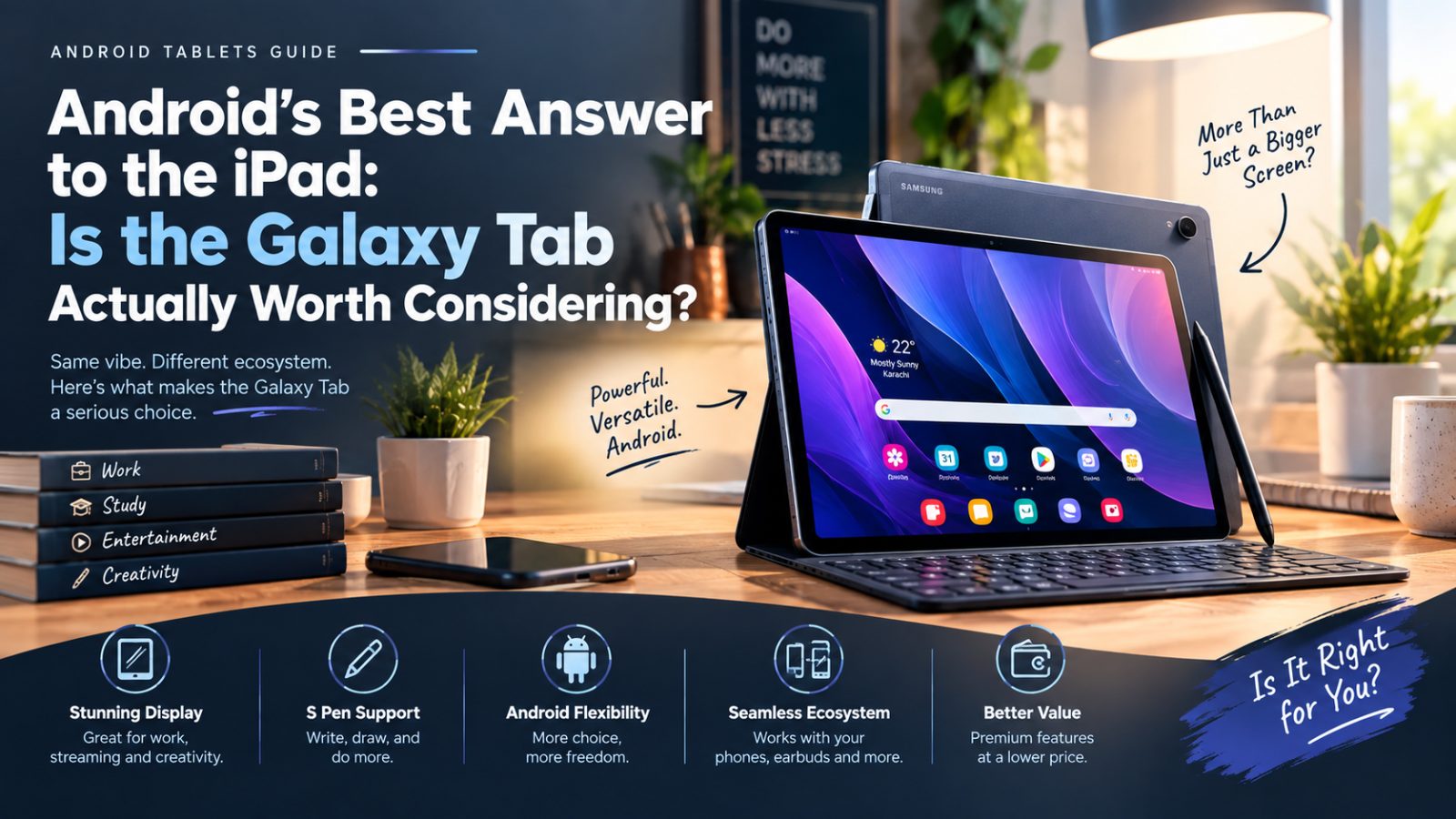
Everyone assumes the iPad the moment tablets come up. But Samsung has quietly built something genuinely competitive. So is the Galaxy Tab a real alternative, or just a cheaper imitation? Let’s find out honestly.
Two Different Philosophies, Not Just Two Different Brands
Before comparing specs, understand this. Apple and Samsung approach tablets completely differently. Apple keeps a tight, simple lineup with deep software integration. Samsung offers a much wider spread of models, from budget-friendly to genuinely premium, giving buyers far more flexibility on price and features.
That same difference matters when comparing the wider Apple and Samsung ecosystem, especially for buyers who consider both new and refurbished devices. Looking at the refurbished iPhone 15 price Australia buyers can find is one way to see how Apple devices can fit different budgets without automatically choosing the newest model.
This difference in pricing and product strategy shapes almost everything else in this comparison. Neither approach is wrong. They simply serve different priorities.
Display Quality: Samsung’s Clearest Advantage
This is where Samsung genuinely pulls ahead. Premium Galaxy Tab models use vivid AMOLED displays with smooth 120Hz refresh rates, delivering deeper contrast and richer colors compared to the standard iPad’s LCD screen.
Apple’s higher-end iPad Pro models close this gap significantly with their own advanced display technology, but the standard iPad, the model most casual buyers actually purchase, uses a more basic LCD panel by comparison. If display quality genuinely matters to you, particularly for video and content consumption, Samsung’s mid- and premium-tier tablets have a real, noticeable edge here.
Build Quality and Durability: A Genuine Surprise
Here is something that catches people off guard. Many premium Galaxy Tab models include full IP68 water and dust resistance, a feature the standard iPad simply does not offer. This makes Samsung’s tablets more forgiving around spills, dust, and everyday accidents.
For anyone who uses their tablet in less controlled environments, kitchens, outdoor settings, or simply a household with kids, this durability difference is a genuinely practical advantage worth considering.
The S Pen Advantage Most People Overlook
Samsung includes its S Pen stylus with many Galaxy Tab models directly in the box, while Apple sells the Apple Pencil separately, adding real extra cost to your total purchase. For note takers and casual sketchers, this alone can shift the overall value equation meaningfully in Samsung’s favor.
That said, serious digital artists still often lean toward Apple’s ecosystem, since creative software optimization on iPadOS remains more mature and widely supported by professional-grade apps compared to similar Android alternatives.
Performance: Closer Than the Marketing Suggests
Apple’s chips generally win on raw benchmark performance, but real-world daily use tells a more balanced story. Premium Galaxy Tab models handle everyday tasks, browsing, streaming, gaming, and note-taking, smoothly and confidently, without feeling like a noticeably weaker experience.
The real performance gap becomes more visible with intensive creative work, where Apple’s tighter hardware and software integration still holds a meaningful edge. For typical daily use, though, this difference matters far less than people assume before actually using both devices side by side.
Software Support: The Gap Has Narrowed Significantly
This used to be a clear advantage for Apple, but that gap has closed considerably. Samsung’s flagship S series tablets now receive up to seven years of software and security updates, closely matching Apple’s own long-standing reputation for extended device support.
It is worth noting this longer support window applies specifically to Samsung’s higher-tier S series models, not its budget-friendly Tab A lineup, which still follows a shorter update cycle. If long term software support matters to you, sticking with Samsung’s premium tier ensures you get comparable longevity to an iPad.
Storage Flexibility: A Clear Win for Samsung
Here is a practical difference worth knowing. Many Galaxy Tab models support microSD card expansion, letting you add significant extra storage affordably after purchase. The iPad offers no such option, meaning your storage choice at checkout is permanent for the life of the device.
If you regularly work with large files, photos, or downloaded media, and prefer flexibility over committing to a fixed storage tier upfront, this alone might tip the decision toward Samsung.
Battery Life and Charging Speed
Premium Galaxy Tab models generally include larger batteries, translating to strong all-day battery life for typical use. Charging speed also favors Samsung noticeably, with many models supporting significantly faster wired charging compared to the standard iPad’s slower charging speed.
For anyone who frequently needs a quick top-up between classes or meetings, this charging speed difference becomes a genuinely practical daily convenience.
The Ecosystem Question That Actually Matters Most
Here is the honest deciding factor for most buyers. If you already use an iPhone and MacBook, an iPad integrates seamlessly into that existing ecosystem, sharing photos, messages, and files effortlessly across devices. If you use a Samsung Galaxy phone, a Galaxy Tab offers that same seamless integration instead, syncing notifications, files, and features naturally across your devices.
Switching ecosystems purely to save money rarely makes sense if you are deeply invested in one already. The convenience of staying within your existing ecosystem often outweighs individual spec advantages either brand offers.
So Is the Galaxy Tab a Real Alternative?
Genuinely, yes. This is not a budget knockoff pretending to compete with the iPad. Samsung’s premium Galaxy Tab models offer a legitimately competitive display, meaningful durability advantages, bundled stylus support, and expandable storage, all areas where Apple’s standard iPad falls noticeably short by comparison.
The right choice ultimately depends on your existing devices, your creative software needs, and whether display quality or storage flexibility matters more to your daily habits than deep integration with Apple’s specific ecosystem.
Trying Either Option Without the Full Price Risk
If you are still torn between these two options, buying secondhand or refurbished can remove much of the financial pressure from the decision. Before choosing a device, it is worth checking the official specifications on Apple’s official website, especially when comparing an iPhone 15 with other tablets and devices. A properly tested, refurbished iPhone 15, iPad, or Galaxy Tab can let you experience the device at a lower price. For buyers considering refurbished iPhones, Trade.com.au stands out by showing real photos of its products, offering a 12-month warranty, and putting devices through a 72-point check. These details give buyers more information about what they are actually purchasing and add extra reassurance when choosing a refurbished device.
Final Thoughts
The Galaxy Tab is not simply an iPad imitation anymore. It brings genuine strengths to the table, better displays on premium models, real durability advantages, bundled stylus support, and flexible storage options. Whether it beats the iPad for you personally depends entirely on your existing ecosystem and what you value most in daily use.
Look past brand loyalty for a moment, and judge both tablets on what actually matters to your daily habits. Once you do that, the right choice becomes far clearer than any spec sheet comparison could show on its own.