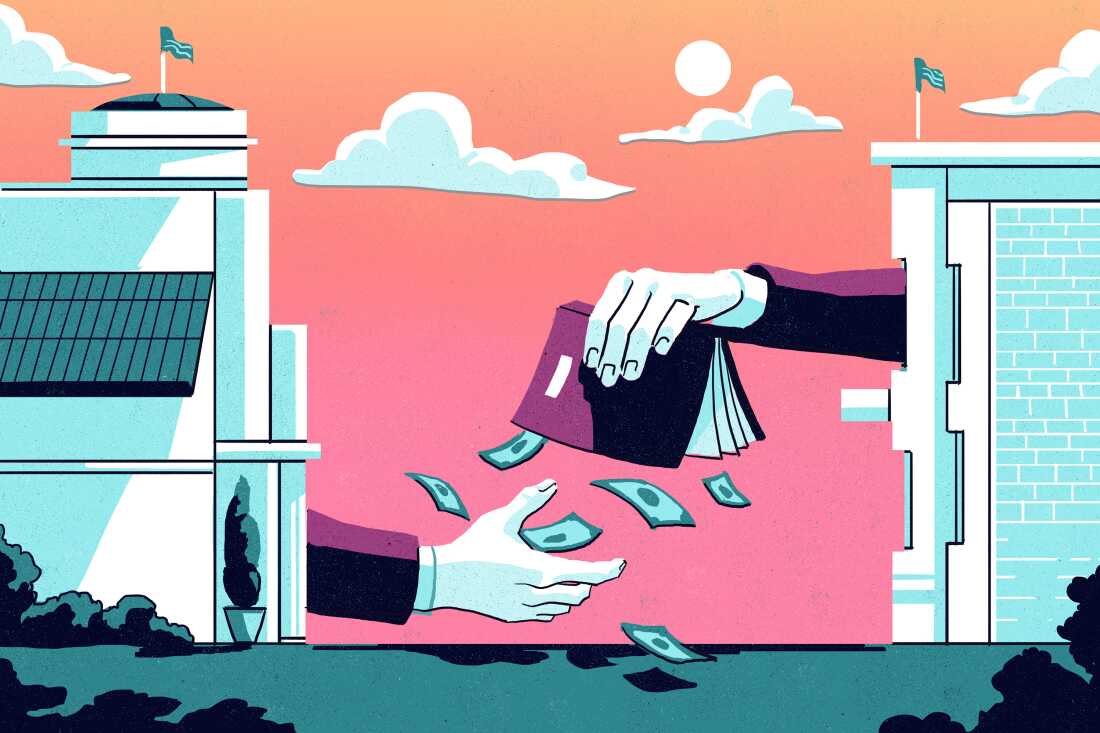
When eight-year-old Mia’s parents toured a private school on the edge of their city, they weren’t just admiring the sprawling sports fields or the art studio flooded with light. They were imagining Mia’s future — one filled with opportunity, challenge, and a certain kind of polish that’s often promised between the walls of such institutions. But when the admissions officer gently slid a folder across the table, the conversation shifted from dreams to numbers.
Private school fees, written neatly in black ink, can feel like a reality check dressed in polite stationery.
More Than Just Tuition
When people talk about the cost of private schooling, they often focus on tuition alone. But private school fees are rarely a single number. They can be more like a layered cake, with each slice representing an additional cost: enrollment fees, technology levies, building funds, uniforms, excursions, and co-curricular programs.
For example, an annual primary math tuition of $15,000 might balloon to $20,000 or more once you include a laptop program, compulsory camps, or that annual “voluntary” building fund contribution (a phrase that can make even the most financially literate parent chuckle).
Some schools are transparent from the start, breaking down every line item so parents can plan. Others prefer to reveal the extras over time, often leading to what I call “school fee creep” — the slow realization that you’ve committed to more than you thought.
What Are You Really Paying For?
At face value, private school fees cover education. But in reality, they’re funding an ecosystem designed to deliver a particular experience:
- Smaller class sizes mean more individual attention.
- Specialist teachers in music, drama, languages, and STEM.
- State-of-the-art facilities that would make some universities blush.
- Networks and connections — those intangible benefits that can open doors later in life.
Think of it like joining an exclusive club. You’re paying for the service, the environment, and the network, not just the core offering. Whether that’s worth it is a deeply personal question.
The Emotional Math of School Fees
The conversation about private school fees isn’t purely financial — it’s emotional. Parents often wrestle with questions like:
- Am I giving my child the best start in life?
- Will this stretch our finances too far?
- Could the same outcomes be achieved in a public school environment with our support?
I once spoke to a father who compared paying school fees to buying a house in a neighborhood you love. “It’s not just the building,” he said. “It’s the streets, the community, the sense of belonging. You pay for the package.”
When Fees Become a Stretch
For many families, private school fees are not just a line in the budget — they are the budget. Some parents take on extra work, delay retirement savings, or scale back holidays to cover costs. It’s a trade-off, and the sacrifices can be significant.
A Sydney mother told me she and her husband gave up their dream of a larger home because they prioritized education. “Our lounge is small,” she said, “but our kids are thriving.”
It’s worth remembering that financial strain, if not managed carefully, can add pressure to family life. An education is valuable, but so is the stability and wellbeing of the household paying for it.
Navigating the Options
If you’re considering private education but the numbers look daunting, there are ways to make it more manageable:
- Scholarships and bursaries: Often based on academics, music, sport, or financial need.
- Sibling discounts: Some schools reduce fees for additional children.
- Fee payment plans: Spreading the cost across the year can help cash flow.
- Negotiating start years: Some families delay private schooling until later grades to reduce the total years of fees.
One family I met chose public primary schooling but moved their children into private high school for the senior years. “We wanted to invest where it counted most,” they explained.
The Hidden Value of Comparison
Before committing, it’s worth visiting a range of schools — both public and private. Sometimes the gap in quality isn’t as wide as assumed, especially in areas where public schools are well-funded and supported by active communities.
A friend of mine toured a top-tier private school and was dazzled by its theater program. But when she visited the local public high school, she discovered an award-winning drama department run by a passionate teacher. Her conclusion? The magic often comes from people, not just price tags.
Rethinking the Conversation
It’s easy to treat private school fees as a binary — either you can afford them or you can’t. But perhaps the better question is: What am I hoping my child will gain from this? Once you’re clear on your priorities, you can weigh them against the alternatives.
After all, education happens in more places than classrooms — it’s in kitchen table conversations, weekend projects, libraries, and the curiosity parents nurture at home.
The Takeaway
Private school fees are more than numbers on a prospectus — they’re a reflection of values, priorities, and sometimes sacrifices. For some families, they represent an investment in opportunity. For others, they’re an unnecessary expense in a world where education can thrive in many forms.
The decision isn’t about chasing prestige or keeping up with peers; it’s about aligning what you want for your child with what your family can sustain — financially, emotionally, and practically.
Mia’s parents, after weeks of spreadsheet tinkering and long walks discussing trade-offs, decided to enroll her. “We’ll make it work,” her mother said. “It’s a stretch, but it’s the right fit for her.”
In the end, that’s the heart of the matter. Whether you choose a private school, public school, or something in between, the real measure of value isn’t the size of the invoice — it’s the growth, confidence, and joy in the child you’re raising.