When most people hear the word “defence,” they picture soldiers in fatigues, tanks rumbling across rugged terrain, or warships cutting through open seas. Rarely do they think of the quiet, meticulous work of defence consultants—specialists who operate behind the scenes, influencing everything from strategic military decisions to cutting-edge technological advancements. Yet, in today’s rapidly changing world, defence consulting is one of the most critical (and surprisingly complex) professions you’ve probably never thought much about.
The Hidden Strategists
Imagine an intricate chess match, but instead of black and white pieces, you have real-world military assets: fleets of aircraft, cyber defence systems, and reconnaissance satellites. The stakes? National security. In this high-stakes game, defence consultants act like master tacticians—advising governments, military organisations, and even private defence contractors on how to position their resources, anticipate risks, and outthink potential adversaries.
They are the ones poring over data that could predict a cyberattack, running simulations to prepare for geopolitical crises, and advising on procurement decisions that may define a nation’s security capabilities for decades.
More Than Just Military Advice
Contrary to what the name suggests, defence consulting isn’t just about telling armies where to stand or what weapons to buy. It’s an umbrella term that covers a vast array of services:
- Strategic Planning: Long-term threat assessments and geopolitical analysis.
- Procurement Support: Guiding the acquisition of military equipment to ensure cost-effectiveness and operational fit.
- Cybersecurity Strategy: Defending critical infrastructure from digital threats.
- Operational Efficiency: Streamlining logistics so that resources reach where they’re needed—on time and without waste.
- Policy Advisory: Helping shape legislation or defence policies that balance security with ethics and diplomacy.
In many ways, defence consulting blends the precision of engineering, the foresight of economics, and the human understanding of diplomacy.
The Skills Behind the Title
What makes someone a great defence consultant? It’s not simply about having a military background—although that helps. Many of the best consultants come from diverse fields such as technology, law, economics, and even psychology.
A retired naval officer might work alongside a cybersecurity analyst and an economist to evaluate a nation’s naval readiness—professionals whose years of service are often honored and displayed through military frames. Their combined expertise allows them to see problems (and solutions) from every possible angle.
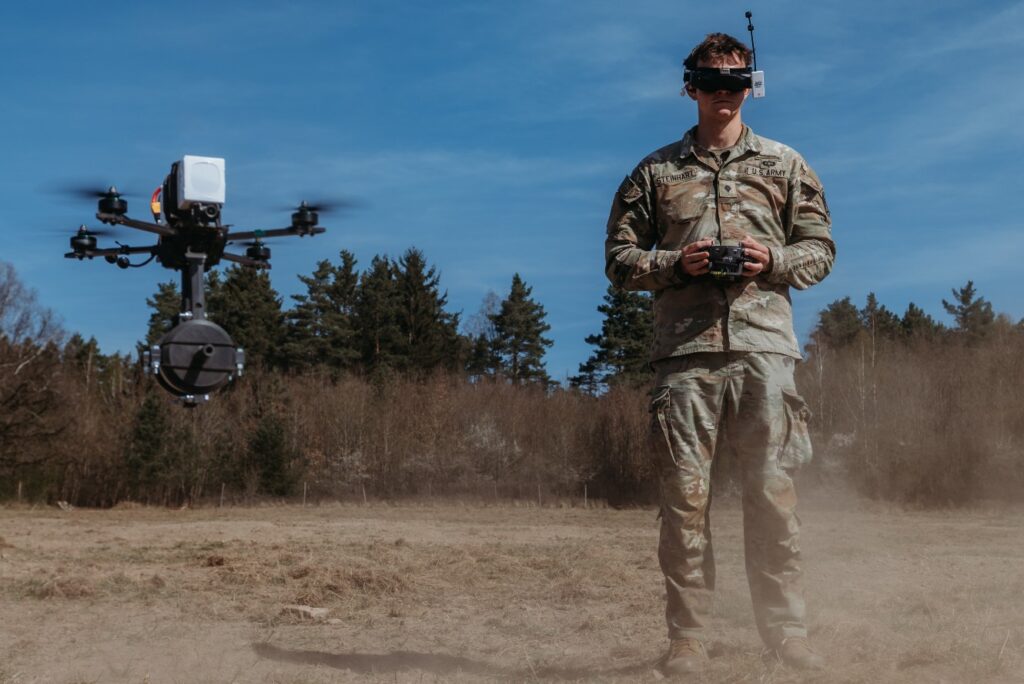
Here’s where it gets interesting: defence consultants often need to be futurists. They must think not just about the threats of today but about those still on the horizon. For example, 20 years ago, who could have predicted that drones would play such a decisive role in modern warfare? The best consultants did.
Real-World Impact
Defence consulting isn’t theoretical—it has real-world consequences.
Consider the case of a Southeast Asian nation facing increasing tensions in its maritime borders. The government knew it needed to modernise its naval capabilities but was unsure whether to invest in new warships, submarine fleets, or coastal defence systems. A defence consulting team was brought in, and after months of risk assessments, scenario planning, and cost-benefit analysis, they recommended a hybrid strategy—smaller, faster patrol vessels combined with advanced radar and drone surveillance.
Within a few years, the nation not only improved its border security but also avoided the astronomical cost of a large-scale naval overhaul. The decision also positioned them as a leader in regional maritime security cooperation.
Balancing Security and Ethics
Defence consulting is not without its ethical dilemmas. Advisers often deal with information and recommendations that can shape the course of conflicts—or prevent them. This means their work carries a heavy responsibility.
For example, advising a country on advanced weaponry could deter aggression but also potentially escalate tensions with a neighbouring state. A responsible defence consultant must weigh the benefits against the potential for harm, keeping in mind that their work can influence not just military outcomes but the lives of civilians.
This balance between security and humanity is part of what makes the field so intellectually and morally challenging.
The Rise of Technology in Defence Consulting
If defence consulting once revolved mainly around troop movements and hardware procurement, the 21st century has changed the playbook.
Artificial intelligence, machine learning, and big data analytics now allow consultants to forecast events with astonishing accuracy. Simulations can model not just battle scenarios but entire geopolitical shifts. Cyber defence has become as important—if not more—than physical defence.
For example, a modern defence consultant might analyse patterns in global shipping data to detect suspicious activity that could indicate smuggling or illegal arms transfers. Or they might develop a multi-layered defence strategy for protecting a nation’s power grid from cyberattacks—something that could cripple a country without a single shot being fired.
Why It Matters to Everyone
It’s tempting to think of defence consulting as a niche field that only matters to generals, politicians, and defence contractors. But the truth is, its impact trickles down to everyday life.
When defence consultants recommend stronger cybersecurity protocols, it helps protect not just government secrets but also the digital infrastructure that keeps your bank account safe. When they advise on disaster response logistics, it can mean faster aid after earthquakes, floods, or other crises.
Defence consultants operate like the invisible architects of stability, ensuring that the systems we rely on remain secure—often without us even realising it.
Looking Ahead: The Future of Defence Consulting
The next few decades will likely transform defence consulting even further. Climate change, resource scarcity, space security, and autonomous weaponry are all emerging areas where consultants will play a role. The lines between defence, technology, and diplomacy will blur, requiring an even more interdisciplinary approach.
And while AI and automation will undoubtedly aid consultants, the human factor—critical thinking, ethical judgment, and cultural understanding—will remain irreplaceable. Machines can crunch data, but they cannot weigh the human cost of conflict or predict how cultural nuance will shape an alliance