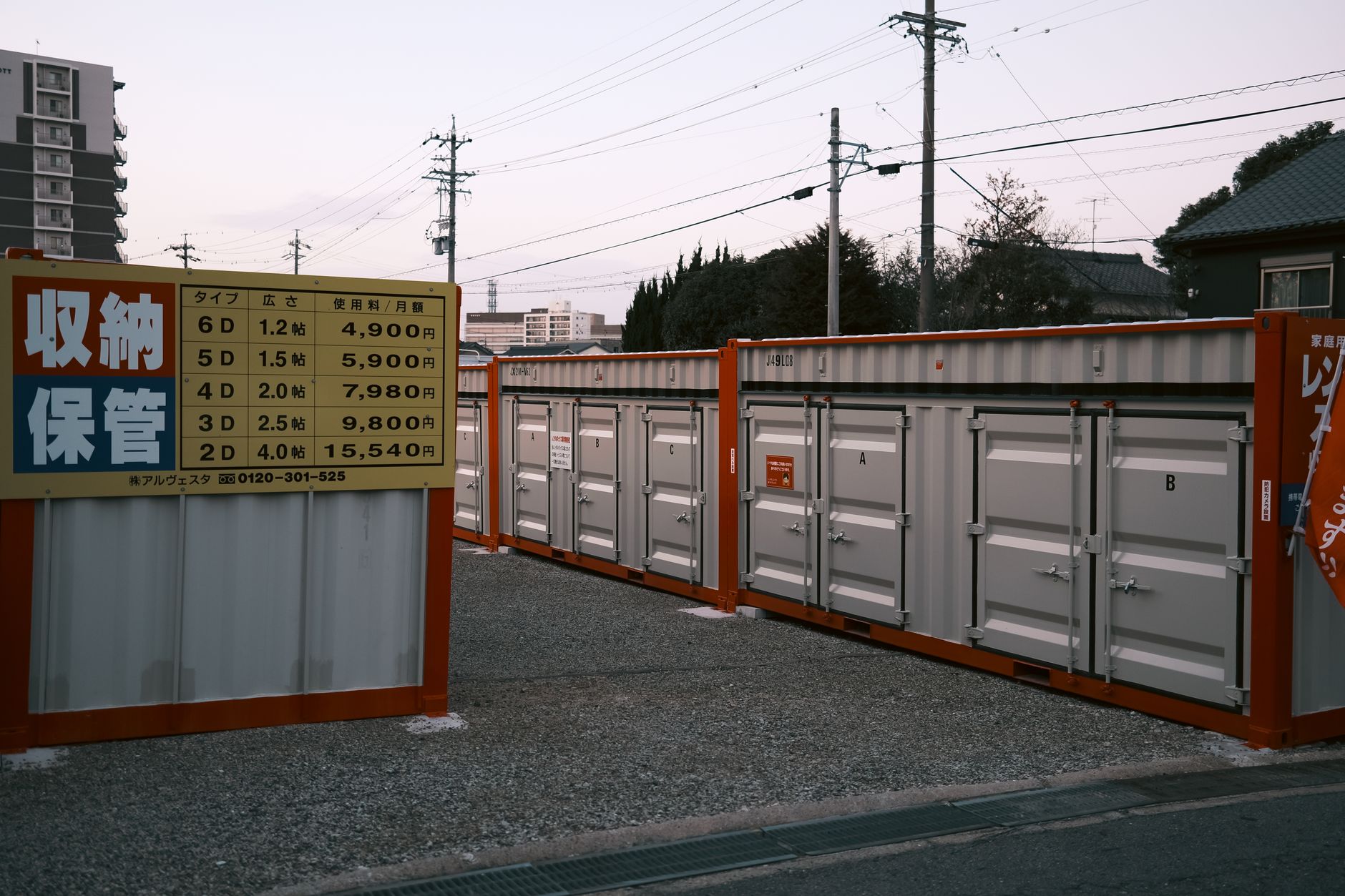
Finding enough space for personal belongings or business inventory can be challenging in Singapore, where residential and commercial space comes at a premium. Furniture, seasonal items, sports equipment, documents and excess stock can gradually occupy valuable space that could otherwise be used for everyday activities.
Self-storage rental provides an alternative by allowing individuals and businesses to rent a separate unit for a defined period. Understanding the available unit sizes, pricing structures, rental conditions and storage requirements can help renters choose a practical solution without spending more than necessary.
1. What Is Self-Storage Rental?
Self-storage rental involves leasing an individual storage unit to keep belongings outside a home, office or retail premises. Customers typically organise their own items and access the unit according to the facility’s access arrangements.
Storage units range from compact lockers for a few boxes to larger rooms capable of accommodating furniture, appliances and business inventory. This flexibility makes self-storage useful for both temporary situations and longer-term space management.
Unlike leasing an entire warehouse or commercial property, renting a smaller unit can allow customers to pay for only the amount of space they need.
2. How Much Does Self-Storage Cost in Singapore?
The cost of self-storage depends on several factors, including unit size, location, access hours, environmental conditions and rental duration.
Indicative monthly prices published in a Singapore storage guide for 2026 include the following ranges:
| Storage unit | Approximate size | Indicative monthly cost |
| Small locker or mini unit | 9–20 sq ft | S$50–S$100 |
| Medium unit | 20–80 sq ft | S$120–S$300 |
| Large unit | 80–140 sq ft | S$300–S$500 |
These figures are general estimates, not guaranteed quotations. Actual rates can vary between facilities, and additional charges or promotions may affect the final amount.
Before signing a rental agreement, ask for a complete breakdown of monthly fees, deposits, insurance and any administrative or access charges.
3. Choosing the Right Unit Size
Selecting an appropriately sized unit is one of the easiest ways to control storage expenses.
Small lockers are generally suitable for documents, luggage, seasonal decorations and a limited number of boxes. Medium units may accommodate household furniture, appliances or small business inventories. Larger units can be useful when storing the contents of several rooms or managing substantial quantities of stock.
Prepare an inventory before requesting quotations. Measure bulky items and consider whether furniture can be dismantled to save space.
It is also important to account for accessibility within the unit. Packing every available corner may maximise capacity, but leaving room to reach frequently used belongings can make retrieval much easier.
4. Short-Term Versus Long-Term Rental
The appropriate rental period depends on why storage is needed.
Short-term storage can be useful during renovations, relocation, overseas travel or temporary changes in living arrangements. It allows belongings to remain in one place until they can be returned to the home or transferred elsewhere.
Long-term storage may suit archived documents, equipment that is used occasionally, seasonal belongings or business inventory that does not need to remain at the main premises.
Some facilities offer month-to-month arrangements, while others may provide discounted rates for longer commitments. Compare the overall cost of each option and check whether early termination, extensions or changes in unit size are permitted.
5. Factors That Affect Rental Prices
Several practical considerations can influence the price of a storage unit.
Location: Facilities closer to residential areas or business districts may charge more than those in industrial locations. However, a cheaper unit farther away could increase transport expenses.
Accessibility: Extended or 24-hour access may be valuable for customers who need to retrieve goods outside conventional business hours.
Climate control: Air-conditioned or humidity-managed storage can cost more than standard units, but may be appropriate for sensitive belongings.
Security: Access controls, surveillance and monitored premises can influence pricing and provide additional protection.
Promotions: Introductory offers and longer-term discounts may reduce initial expenses. Always check the standard rate after the promotional period ends.
Comparing these factors helps renters evaluate overall value instead of choosing a facility based solely on its advertised price.
6. Preparing Belongings for Storage
Good preparation helps protect belongings and makes the storage space easier to manage.
Use sturdy boxes, label containers clearly and keep an inventory of the contents. Place heavier items in smaller boxes to make lifting safer, and protect fragile objects with suitable cushioning.
Furniture should be clean and dry before storage. Where appropriate, dismantle larger pieces and keep screws and fittings in labelled bags. Electronics and important documents may need additional protection against humidity.
Avoid placing items directly against damp surfaces, and check that the facility’s environmental conditions suit the materials being stored.
Customers should also review prohibited-item rules before moving belongings into a unit. Perishable goods, hazardous chemicals, flammable materials and illegal items are commonly restricted.
7. Security and Insurance Considerations
Security should be evaluated alongside price and convenience. Relevant features may include individual locks, controlled entry, CCTV surveillance and procedures for managing authorised access.
Insurance is a separate consideration. Some storage arrangements offer optional coverage, while others require customers to arrange protection independently.
Check what is covered, the maximum compensation available, exclusions and any requirements for documenting valuable belongings. Do not assume that a storage rental automatically provides comprehensive insurance.
For high-value items, photographs, receipts and a written inventory can help maintain records of what has been stored.
8. Is Self-Storage Suitable for Businesses?
Self-storage can help small businesses manage stock, packaging materials, promotional displays, tools and documents without occupying valuable office space.
Online sellers may use storage units to organise inventory and prepare products for dispatch. However, businesses with frequent orders should consider whether they also require fulfilment services such as receiving goods, picking, packing and delivery coordination.
The most suitable arrangement depends on stock volume, handling frequency and operational requirements. A storage-only unit may be sufficient for occasional access, whereas a growing e-commerce operation may benefit from a facility offering additional logistics support.
9. Comparing Storage Providers in Singapore
Before committing to a unit, compare its dimensions, rental terms, access arrangements, security features and total cost. Ask whether deposits are refundable, how rental extensions work and whether additional fees apply to moving or handling services.
A site visit can help you assess cleanliness, loading access and the condition of the facility. For those researching available options, Self Storage Rental in Singapore by Urban Space provides a reference for comparing unit sizes, estimated prices and factors that influence storage value.
Conclusion
Self-storage rental can provide a practical way to manage limited space in Singapore without committing to a larger home, office or warehouse. The best option depends on the volume of belongings, the length of time they need to be stored and how frequently they must be accessed.
By comparing rental costs, selecting the right unit size, preparing items carefully and reviewing security and contract terms, individuals and businesses can make informed decisions and keep storage expenses under control.