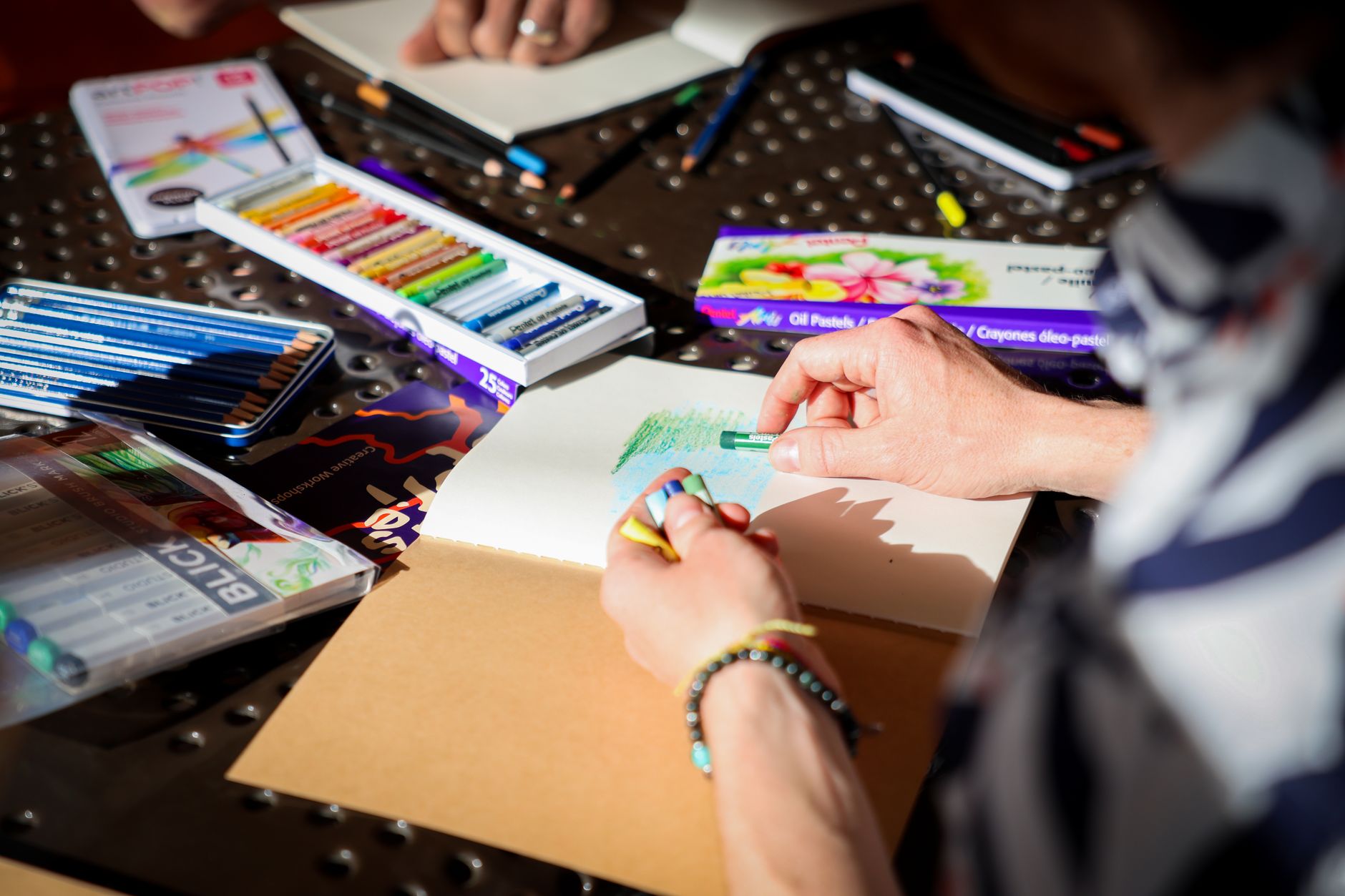
Art education can play an important role in a child's development. Beyond learning how to draw or paint, regular art practice can encourage observation, concentration, problem-solving, fine motor development and confidence. A structured art programme can also give children an environment where they can experiment, make creative decisions and gradually develop their own visual language.
In Singapore, Little Artists provides fine art programmes for children, teenagers and adults, with programmes designed around different ages, abilities and stages of artistic development. The studio states that it has been providing fine art education for more than 28 years and combines classical foundations with contemporary expression.
An Art Education Built Around Individual Development
Children do not develop artistic skills at the same speed. Some may naturally enjoy drawing, while others become more interested in painting, sculpture, digital art or experimentation with different materials.
Little Artists' teaching approach places emphasis on individual pace and development. The studio describes its programmes as combining artistic foundations, mentorship and an inclusive teaching philosophy intended to support students with different abilities.
Rather than focusing only on the finished artwork, the programmes also aim to develop observation, discipline, creativity and self-expression. This makes art education a longer-term learning process rather than a collection of individual craft projects.
Programmes for Different Age Groups
The studio offers programmes beginning from early childhood and continuing through the teenage years and into adulthood.
Little Blossoms is designed for children aged approximately 2.5 to 6.5 years. The programme introduces younger children to art and craft activities in an age-appropriate setting.
Junior Picassos is aimed at children from approximately 6.5 to 8.5 years, providing a progression from early exploration toward more developed artistic skills.
For older children, the Budding Artists Programme covers ages 8 to 17 and offers basic, intermediate and advanced levels. The programme includes drawing, painting, experimental art, printmaking, sculpture, composition, perspective, colour theory, artist studies, observational drawing, art history and design concepts.
This progression allows students to move from foundational activities toward more structured and technically demanding artistic work.
Developing Technical and Creative Skills
Learning art involves both technical control and creative thinking. A student may need to understand proportion, perspective and colour while also learning how to develop an original idea.
The Budding Artists curriculum exposes students to multiple mediums, including charcoal, watercolour, acrylic, oil paints, pastels, colour pencils and mixed media. It also includes subjects such as still life, human figure, landscape and outdoor work.
Exposure to different mediums can help students understand how materials behave and determine which techniques are most appropriate for particular artistic ideas.
At the same time, free expression and contemporary concepts encourage students to move beyond simply reproducing an example.
Portfolio Preparation for Future Art Education
For students who are considering specialised art education, portfolio development can become an important part of their artistic journey.
Little Artists offers a dedicated Portfolio Preparation Programme for students aged 10 to 20. The studio also identifies portfolio preparation for pathways such as SOTA, DSA, LASALLE, NAFA and overseas art schools.
Portfolio development requires a different approach from regular art classes. Students need to develop original ideas, demonstrate technical ability, experiment with mediums and learn how to select and present work effectively.
The studio's broader programmes can therefore provide foundational skills before students move toward more focused portfolio development.
Supporting Children With Different Abilities
Art education can also be adapted for children who require a different pace or teaching approach.
Little Artists offers an Art for Special Needs programme, with lessons lasting approximately 1.5 or 2 hours. The studio describes its teaching philosophy as inclusive and states that children of diverse abilities are supported within its learning environment.
An adaptive art environment can allow children to engage with materials and creative activities according to their individual strengths. The emphasis can be placed on participation, exploration and meaningful artistic development rather than comparing one child's progress directly with another.
Short Courses and Creative Exploration
Not every student needs a long-term programme. Short courses can provide an opportunity to explore a particular creative discipline before committing to a broader curriculum.
Little Artists offers short courses such as Photography for Juniors, Digital Art for Juniors and Family Art Jam – Painting Together. The photography programme introduces composition, lighting and Photoshop editing, while the digital art programme develops digital drawing skills and explores applications connected with areas such as animation, game art and design.
The studio also conducts holiday programmes covering areas such as clay sculpture, printmaking, photography, digital design, classical painting, sketching, manga and portfolio preparation.
These shorter programmes can provide students with opportunities to experiment with techniques that may not be part of their regular weekly classes.
Art Appreciation and Exposure to Artists
Art education can become more meaningful when students understand the ideas and practices behind artworks rather than focusing exclusively on technique.
The Budding Artists Programme includes an Art Appreciation Programme, with exposure to demonstrations, workshops and talks by visiting artists.
Such exposure can introduce students to different artistic processes and perspectives. It can also encourage them to think about how artists develop concepts, select materials and communicate ideas.
Class Structure and Individual Attention
Class size can influence the amount of guidance an educator is able to provide. Little Artists states that its Budding Artists Programme maintains a teacher-student ratio of approximately 1:6, with lessons offered once a week and sessions lasting either 1.5 or 2 hours.
A structured schedule gives students regular opportunities to practise rather than treating art as an occasional activity.
Consistent practice can be particularly useful for developing drawing confidence, observational ability and technical control, as these skills generally improve through repeated application.
Student Pathways and Achievements
Little Artists highlights students who have progressed to institutions in Singapore and internationally. Its website lists pathways including SOTA, LASALLE, NAFA, NUS, Parsons, SCAD, Carnegie Mellon, Pratt Institute, University of Pennsylvania and other institutions.
These examples illustrate the range of educational directions that art students can eventually pursue, from specialised art schools to architecture, design and broader university programmes.
However, every student's pathway is different. A strong art programme should therefore focus on developing the student's capabilities and interests rather than promising a particular admissions outcome.
Choosing an Art Programme for a Child
Parents considering an art programme can look beyond the number of projects completed and consider the overall learning environment.
Useful factors include:
- Whether the curriculum progresses with age and ability
- The experience and training of educators
- Class size and individual attention
- Range of artistic mediums
- Opportunities for creative experimentation
- Portfolio preparation options for older students
- Inclusivity for children with different abilities
- Opportunities for art appreciation and exposure
Little Artists' programme structure covers a broad age range, from early childhood through teenage years, with additional portfolio and adult programmes available. Its main studio is located at Mandarin Gardens on Siglap Road in Singapore.
Encouraging a Long-Term Relationship With Art
The most valuable outcome of art education may not always be a particular painting or drawing. Over time, students can develop the ability to observe carefully, make decisions, solve creative problems and communicate ideas visually.
Little Artists' approach combines technical foundations with creative exploration, allowing students to progress from early art activities toward more advanced artistic development and portfolio preparation.
For children who enjoy creating, a structured programme can provide the consistency, guidance and space needed to develop that interest into a meaningful skill. Whether the eventual goal is simply creative enrichment, stronger artistic confidence or preparation for specialised art education, a well-designed art curriculum can provide a foundation that continues to benefit students beyond the studio.