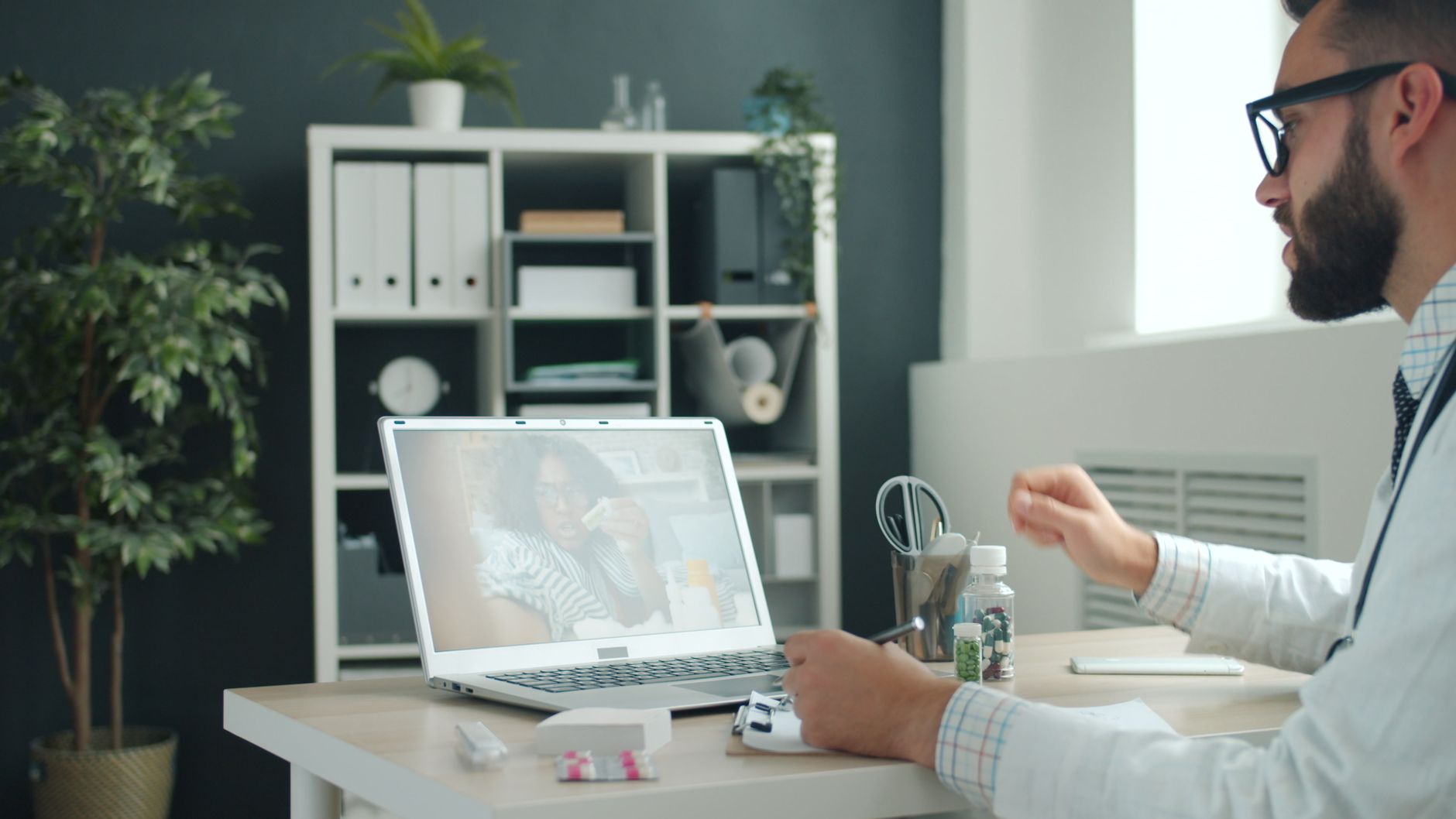
For a long time, getting help for anxiety, OCD, or another mental health condition meant living close enough to a qualified specialist to actually show up for regular appointments. That requirement quietly excluded a lot of people, those in rural areas, people without reliable transportation, parents without childcare, and anyone whose schedule simply did not bend around a therapist's office hours. The growth of teletherapy services in California and similar programs elsewhere has started to close that gap, connecting people with specialized clinicians regardless of where they happen to live.
It is worth separating this from the informal video calls people associate with the earliest days of remote healthcare. Modern teletherapy, done well, uses secure, purpose-built platforms and delivers the same structured, evidence-based treatment someone would receive in person, just without the geographic and logistical barriers attached to it. What started as a workaround during a period when in-person options were limited has, for many practices, become a permanent and deliberate part of how specialized care is delivered.
Why Access Has Long Been a Barrier to Specialized Care
Conditions like OCD and certain anxiety disorders respond best to specific, well-researched approaches, not just general talk therapy. The problem is that clinicians trained in these more specialized methods are not evenly distributed. Someone in a smaller city or a rural area might live hours from the nearest provider trained in the specific approach their condition actually responds to, effectively cutting them off from the most effective treatment simply because of geography rather than need. Even in areas with more providers, waitlists for clinicians trained in specific specialties can stretch for months, adding another layer of delay on top of the distance problem.
What Teletherapy Actually Offers
Same Clinical Rigor, Different Format
Effective teletherapy is not a watered-down version of in-person care. The same evidence-based approaches, cognitive behavioral therapy, exposure and response prevention for OCD, acceptance and commitment therapy, and mindfulness-based techniques, translate directly into a video format when delivered by trained clinicians. The format changes; the clinical substance behind it does not.
Removing the Practical Barriers
Beyond clinical quality, teletherapy removes several of the everyday obstacles that keep people from starting or sticking with treatment:
- No commute, which turns a two-hour round trip into a session that starts and ends at home
- Scheduling flexibility that fits around work shifts, school pickups, or caregiving responsibilities
- Access to clinicians trained in specific, specialized approaches, regardless of how far away their office actually is
- Fewer missed or rescheduled sessions, since a bad-weather day or a last-minute conflict no longer cancels the appointment outright
- Privacy for people who feel more comfortable opening up from a familiar space than an unfamiliar office
According to the National Institute of Mental Health, anxiety disorders and related conditions are among the most common mental health concerns, and they are also highly responsive to treatment, which makes reducing the practical barriers to actually receiving that treatment a meaningful public health issue in its own right, not just a matter of convenience.
Does Remote Therapy Actually Work as Well?
This is a fair question, and a growing body of research on telehealth-delivered therapy for anxiety and related conditions has generally found outcomes comparable to in-person care, particularly when the same structured, evidence-based approaches are used in both formats. What matters most is not whether the session happens on a screen or in a room, but whether the clinician is properly trained and the treatment approach itself is well-supported by research. Teletherapy is not a lesser substitute; it is a different delivery method for the same clinical work. Clinicians trained at reputable graduate programs and affiliated with established academic or hospital settings bring the same level of expertise to a video session as they would to an in-person one.
Who Benefits Most
Certain groups tend to see especially clear advantages from remote treatment. Parents balancing childcare, people managing chronic health conditions or mobility limitations, and residents of areas with few specialized providers nearby all gain access they might not otherwise have. There is also a somewhat counterintuitive group: people whose anxiety itself makes leaving the house, navigating traffic, or sitting in an unfamiliar waiting room feel genuinely difficult. For them, teletherapy does not just add convenience, it removes a barrier that was part of the problem they were trying to get help for in the first place.
The Power of Walking This Path Together
Treatment only works if someone can actually get to it, consistently, and without the process itself becoming another source of stress. Teletherapy has not replaced in-person care, and for some people and some situations, being in the same room still matters. But for a great many others, it has turned specialized, evidence-based treatment from something geographically out of reach into something genuinely accessible, proving that showing up for care and showing up in person do not have to mean the same thing.