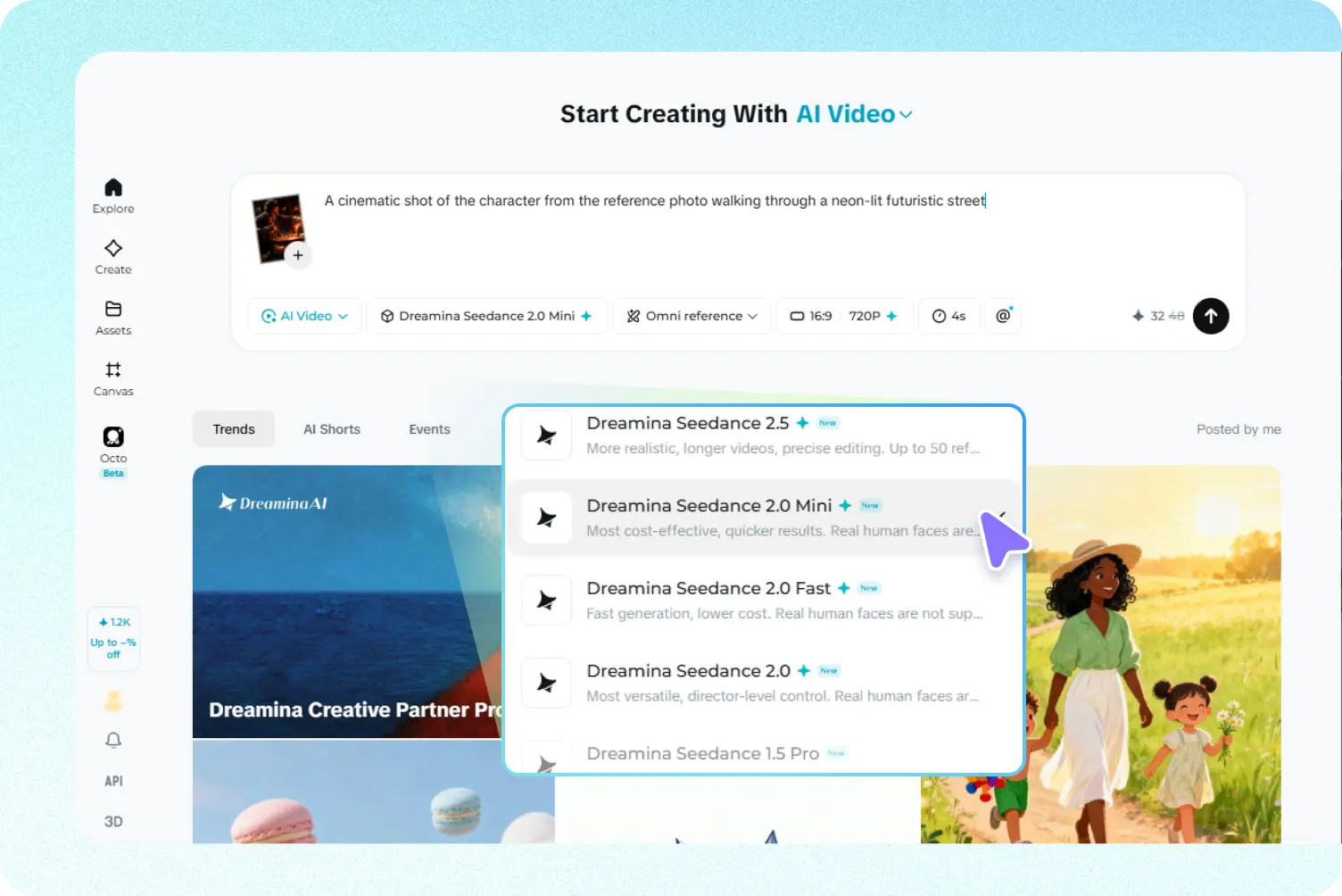
Video production has always been a chain of separate, often disconnected tasks. Someone writes a concept, someone else storyboards it, another team handles the actual shoot, and post-production stitches everything together at the end. Each handoff introduces delay, and each stage tends to operate with limited visibility into what happens before or after it. AI-assisted production is starting to change that structure, not by replacing any single step, but by connecting them in ways that reduce friction across the whole process.
The difference between traditional and intelligent production comes down to how much context carries through the pipeline. A traditional workflow treats concept development, storyboarding, and final editing as largely separate disciplines, each with its own tools and its own learning curve. An intelligent production workflow, by contrast, keeps context flowing between those stages, so a decision made during pre-visualization actually informs what happens during final generation, rather than getting lost in translation between teams and software.
Seedance 2.0 is a clear example of where this shift is heading. Rather than functioning as a single-purpose generation tool, it fits into a broader production process, supporting everything from early concept testing through to final output in a way that keeps creative intent consistent from start to finish. This piece looks at how that kind of connected workflow actually works, and what it means for teams producing content at scale.
The Evolution of AI Video Production From Individual Tasks to Connected Workflows
Early AI video generation tools were built around a single task: take a prompt, produce a clip. That was genuinely useful on its own, but it left most of the production process untouched. Planning, storyboarding, and revision still happened largely outside the AI tool, with the generated clip treated as one component dropped into a much larger, still-manual pipeline.
What's changed is workflow integration. Rather than sitting as an isolated step, generation capabilities are increasingly built to connect with the stages around them, carrying context from planning into production and from production into revision. That shift is what defines an intelligent production system: not a smarter single tool, but a smarter connection between all the tools and stages a project actually passes through.
Building an End-to-End AI Production Pipeline
A modern AI-assisted pipeline tends to follow a recognizable structure, even as the tools involved keep evolving. Concept development is where an idea gets shaped into something concrete enough to plan around. Script interpretation takes that concept and breaks it into scenes, actions, and visual beats the production process can actually work from.
Asset preparation follows, gathering the references, images, and style guides that will anchor the generation stage. Video generation itself, the part most people associate with AI production, sits in the middle of this pipeline rather than being the whole of it. Final production, covering editing, trimming, and assembly, closes the loop, and increasingly draws on the same context established earlier in the pipeline rather than starting fresh.
Context Awareness as the Foundation of Modern Video Production
None of this connected pipeline works without context retention. A production system needs to remember decisions made in earlier stages, such as a character's appearance or a scene's setting, and carry them forward accurately rather than requiring everything to be re-specified at each step.
Multi-step understanding builds on that retention, allowing a system to interpret a request in light of everything established so far rather than treating each instruction in isolation. Visual relationships, meaning how elements in a scene relate to one another spatially and stylistically, need to stay coherent as a project moves through multiple production stages. The result of getting all of this right is production consistency, where the final output actually reflects the decisions made during planning rather than drifting from them along the way.
Smarter Pre-Visualization for Creative Planning
One of the more immediately useful applications of this connected approach is pre-visualization. Concept validation, testing whether an idea actually works visually before committing real production resources to it, becomes far faster when a rough version can be generated quickly rather than requiring a full shoot.
Scene planning benefits similarly, letting a team lay out how a sequence should unfold before locking anything in. Visual experimentation, trying multiple stylistic directions for the same concept, becomes practical in a way it rarely was when each variation required significant manual effort. This kind of rapid iteration also supports better creative collaboration, since a team can react to something concrete rather than debating an idea in the abstract.
Digital Storyboarding in the Age of AI
Storyboarding has traditionally been a slow, manual process, and AI-assisted workflows are starting to change that too. Automated shot planning can suggest a logical sequence of shots based on a script or concept, giving a team a starting point rather than a blank page. Camera sequencing, working out how shots should flow from one to the next, benefits from the same kind of assistance.
Visual organization, keeping a growing set of reference material and generated assets structured and accessible, matters more as a project scales in complexity. Timeline development, mapping out how a full sequence fits together over time, rounds out this stage, giving a team a much clearer picture of the finished project before committing to full production.
Maintaining Creative Consistency Across Every Production Stage
Consistency has to hold across every stage of a pipeline, not just within a single generated clip. Character persistence needs to carry from pre-visualization through to final output, and environment consistency needs to hold just as firmly, so a location doesn't subtly shift in appearance between early planning and the finished piece.
Lighting decisions made early in a project need to be reflected consistently later on, and camera logic, meaning how shots are framed and how they move, needs to stay coherent across the whole production rather than resetting at each stage. Scene transitions tie all of this together, and how smoothly they work often determines whether a finished project feels like one cohesive piece of work or a collection of separately produced fragments.
Workflow Efficiency Across Creative Teams
The benefits of a connected production workflow extend across an entire creative team, not just the people directly generating video. Designers gain a faster way to test visual directions before committing to a final look. Editors benefit from more consistent source material, which reduces the amount of corrective work needed during post-production.
Marketing teams can iterate on campaign concepts more quickly, testing variations without waiting on a full production cycle for each one. Production managers gain clearer visibility into where a project stands, since context carries through the pipeline rather than living in scattered files and separate tools. Content strategists benefit from being able to validate ideas visually earlier in the process, before resources are committed to a direction that might not work.
The Next Phase of Intelligent AI Production Systems
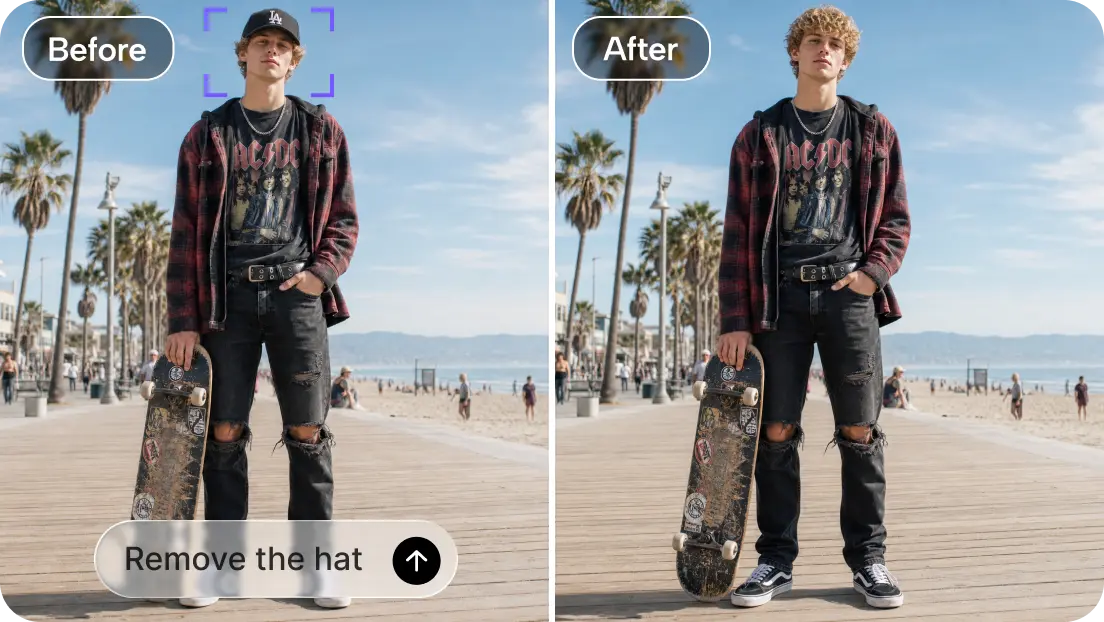
The trajectory here points toward production workflows that support increasingly extended projects rather than short, isolated pieces. Extended production workflows are becoming more practical as systems retain context over longer sequences, which directly supports longer-form projects that would previously have required breaking work into many disconnected segments.
Seedance 2.5 reflects this next phase directly, offering better planning support and enhanced creative flexibility across a production pipeline, particularly for teams working on longer or more complex projects. Users can explore Seedance 2.5 with Dreamina to see how these workflow improvements translate into an actual production setting rather than remaining a list of specifications. As these systems continue to mature, future workflow improvements are likely to focus on tightening the connection between planning, generation, and revision even further, reducing the friction that still exists between each stage of a project.
Future Outlook for AI Video Production
Looking further ahead, human-AI collaboration is likely to define how these workflows actually get used day to day, with the technology supporting a team's decisions rather than attempting to replace the creative judgment involved. Intelligent editing, where adjustments can be made without regenerating an entire sequence from scratch, is another area of active development.
Real-time production, allowing changes to be reflected almost immediately rather than requiring a lengthy regeneration cycle, points toward a much faster iteration loop than what's typical today. Adaptive workflows, capable of adjusting to a project's specific needs rather than following a fixed process, are likely to become more common as these systems mature. All of this points toward AI playing an increasingly central role in professional content creation, not as a replacement for creative teams, but as infrastructure that removes friction from the process they already run.
Conclusion
The future of AI production workflows is clearly heading toward deeper integration rather than isolated, single-purpose tools. As context carries more reliably from planning through to final output, the distinction between "using an AI tool" and "running a production pipeline" is starting to blur, which is a meaningful shift for how creative work actually gets done.
Intelligent production ecosystems, where planning, generation, and revision all draw on the same shared context, represent a genuine departure from the fragmented workflows that have defined video production for decades. That shift doesn't remove the need for creative judgment, but it does remove a significant amount of the friction that used to separate a good idea from a finished piece of content.
The long-term impact on creative industries is likely to be substantial, particularly for smaller teams and individual creators who previously couldn't access production-level workflows without significant budgets. As these systems continue to develop, the gap between what a large studio and a small team can realistically produce is likely to keep narrowing, reshaping who gets to participate in professional-quality content production.
Frequently Asked Questions
What is an AI video production workflow? It refers to a connected process where planning, asset preparation, generation, and final editing all share context, rather than functioning as separate, disconnected tasks handled by different tools.
What makes intelligent production workflows different from traditional video editing? Traditional editing typically treats each production stage as isolated, while intelligent workflows carry context and decisions through every stage, from early planning to final output.
Why is context awareness important in AI-generated videos? Without it, a system has no reliable way to maintain consistency across a project, which leads to mismatched details between what was planned and what actually gets produced.
Can AI assist with pre-visualization and storyboarding? Yes, AI-assisted tools can help validate concepts, plan scenes, and organize shot sequences well before full production resources are committed.
What industries are adopting AI production workflows? Advertising, education, corporate communication, product marketing, entertainment, social media, and training content are all areas actively adopting these workflows.
How does Seedance 2.0 contribute to workflow efficiency? By supporting a connected process from concept through to final output, it reduces the friction typically involved in moving between separate planning and production tools.
What improvements are associated with Seedance 2.5? It offers stronger support for longer-form projects, better planning capabilities, and enhanced creative flexibility across an extended production pipeline.
What is the future of AI-assisted video production? The future points toward deeper human-AI collaboration, faster real-time production cycles, and adaptive workflows that adjust to a project's specific needs rather than following a fixed process.