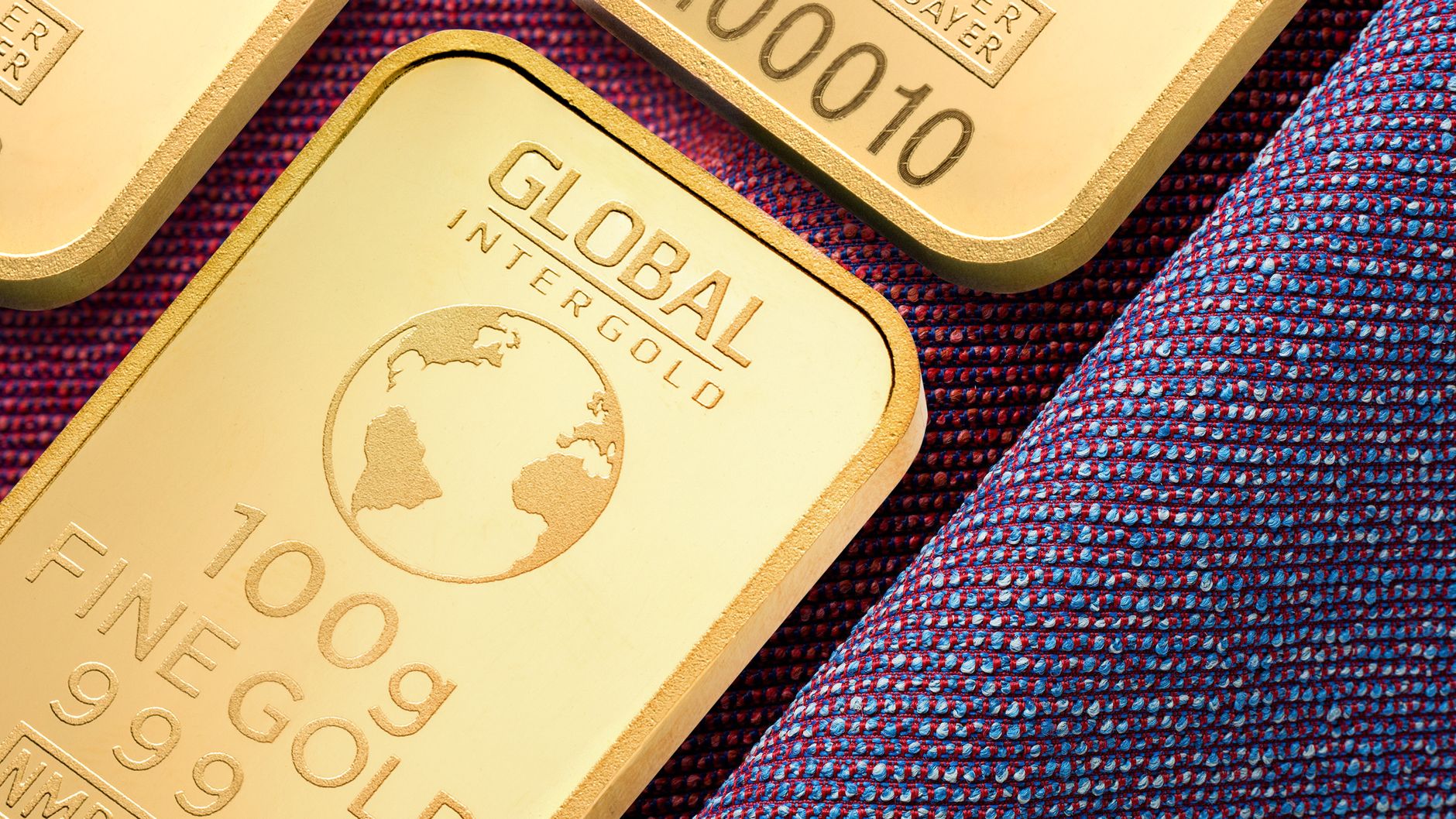
Commodity prices never move in a straight upward or downward line. Instead, prices travel in natural waves called market cycles. Changes in supply, global demand, and weather patterns cause these constant price shifts. By knowing about the cycle you get to know about the falling, rising and constant price movements. Moving ahead in the market without knowing these patterns can be a little risky for the investors.
By knowing about the commodity market cycle investors can anticipate the price changes and make informed choices. Understanding market cycles remains essential for anyone wanting to navigate this financial space safely.
What is the Commodity Market?
Commodity trading is when investors are willing to invest their money in physical goods like gold, oil, copper etc. Unlike buying shares in a single company, investors deal with derivative contracts based on raw materials. Market participants do not need to store physical barrels of oil or sacks of wheat. They settle their profits and losses in cash before the contract expires.
The market features many different types of goods. These goods fall into specific categories based on their global use.
|
Commodity Type |
Examples Traded |
Main Market Use Cases |
|
Precious Metals |
Gold, Silver |
Investment, jewellery making, inflation protection |
|
Base Metals |
Copper, Zinc, Aluminium |
Factories, manufacturing, large construction projects |
|
Energy Commodities |
Crude Oil, Natural Gas |
Fuel generation, transport, electricity production |
|
Agricultural Commodities |
Wheat, Cotton, Spices |
Food production, textiles, farming activities |
|
Livestock Commodities |
Cattle, Poultry |
Meat production, global agricultural supply |
In India, this market works through properly regulated national exchanges. The Securities and Exchange Board of India (SEBI) regulates these platforms to keep investments safe. The Multi Commodity Exchange (MCX) stands as the biggest platform for metals and energy products. For agricultural goods, the National Commodity and Derivatives Exchange (NCDEX) is the top choice. Investors open an account with a broker and deposit a small margin to start.
What Are Commodity Market Cycles?
A commodity market cycle is the natural rise and fall of prices over a set period. These markets move in cycles because supply and demand take time to reach a balance. When prices for a specific good are very high, producers try to create more of it to increase their profits.
This extra production eventually floods the global market with too much supply. Once there is extra supply, prices drop quickly. If the prices fall too much the producers get affected and the manufacturing stops.
Due to this slowdown starts leading to shortage, but this drives the price to move back up and restart the loop. The key phases of a cycle reflect human behaviour and basic economic trends. Market participants study these phases to avoid buying at peak prices.
The Four Stages of a Commodity Market Cycle
The market moves through four clear stages on a continuous loop. Market experts watch these specific stages closely to plan their next steps.
|
Cycle Stage |
Simple Explanation of the Phase |
|
Accumulation Phase |
This stage happens right after a long fall in prices. The market stops falling, and prices finally become stable. Big investors start buying slowly because the goods are very cheap. |
|
Uptrend (Expansion) Phase |
During this phase, prices start rising quickly. More buyers enter the market as positive news spreads around the globe. Demand goes up while total supply remains low. |
|
Distribution Phase |
The price eventually reaches its top limit. Early buyers start selling their contracts to book their profits. The market moves sideways, and prices stop climbing. |
|
Downtrend (Decline) Phase |
Prices begin to fall fast as sellers take complete control. Panic sometimes sets in among late buyers. This phase ends when prices become cheap again, leading back to the accumulation phase. |
Factors That Influence Commodity Market Cycles
Many outside events push prices up or down on a daily basis. Tracking these factors forms a basic part of market research.
Demand and supply dynamics form the most basic rule of economics. If factories need a lot of copper but mines produce very little, the price will shoot up rapidly. Inflation and interest rates also play a massive role. When the daily cost of living goes up, commodity prices usually rise along with it.
Global economic conditions affect how much material countries need. A strong global economy means countries build more roads and houses. This increases the immediate demand for industrial metals and energy.
Geopolitical events like trade bans, conflicts, or wars can lead to shortage of important goods. This leads to rapid price changes, especially for the energy resources like crude oil. Commodities also get affected due to weather and seasonal changes, mainly the commodities related to the agricultural sector get impacted the most.
Changes in policies, regulations and trade agreements can modify the availability or supply of the commodity in the local markets. Changes in tax rates or export bans by countries limits the supply although subsidies make the production cheaper. Currency exchange rate fluctuations also matter a lot. Most global commodities are priced in United States Dollars, so changes in currency values impact how expensive these goods are for Indian buyers.
How to Identify Commodity Market Cycles
Looking for the right time to buy or sell is crucial for market success. Finding good tips for successful commodity trading often begins with correctly identifying the current market trend.
Using price trends on a simple chart is the best starting point. Observers keep a watch on the market if the market is high or low. Investors use technical analysis indicators to know about the price movements. Mathematical tools like the Commodity Channel Index spot hidden momentum and trend reversals.
Volume analysis shows the true strength behind a price move. High trading volume indicates strong interest from big institutional players. Fundamental analysis involves reading news about factory output or oil drilling. This gives clues about future supply and real world reasons behind a price move.
Finally, seasonal trends in commodities offer predictable patterns. Many goods follow a strict calendar year based on weather. For example, prices of natural gas generally rise during the winter season as the demand increases during this time.
Best Trading Opportunities in Different Market Cycles
Every cycle stage offers unique chances to make a profit. Market participants change their plans based on the current phase.
|
Trading Strategy |
How It Works in Different Market Cycles |
|
Trading during an uptrend |
Investors plan to buy before time and hold the positions. The main goal is to ride the upward wave until the trend finally weakens. |
|
Trading during a downtrend |
In this phase, market participants can sell contracts first and buy them back later at a lower price. This strategy is known as short selling. |
|
Range-bound market strategies |
When prices move sideways in the distribution phase, trends are flat. Investors buy at the bottom of the price range and sell at the top. |
|
Breakout trading opportunities |
Sometimes prices suddenly cross a long standing high mark. Investors jump in quickly, as this usually signals the start of a strong new trend. |
|
Swing trading in commodities |
This style involves holding trades for a few days to a few weeks. It aims to capture medium sized price movements within a larger market cycle. |
Risk Management Strategies for Commodity Traders
The commodity market moves very fast and can be quite unpredictable. Proper safety measures are an absolute must for beginners and experts alike.
Setting stop-loss orders is the first line of defence. A stop-loss is an automatic order to close a trade if the price goes in the wrong direction. It limits the total loss on any single trade and protects the capital.
Position sizing ensures that no single trade can ruin an account. Investors should never put all their capital into a single trade. Using only small amounts of money keeps the overall account safe from sudden market shocks.
Diversification spreads the risk across many different goods. If the price of gold falls, the price of crude oil might rise and balance the portfolio. This balance lowers the overall risk of holding investments.
Avoiding excessive leverage is a strict rule for survival. Brokers offer high leverage to the investors, this allows them to take large positions with small amounts of money. This can give big profits to them but the losses can become even bigger.
Tools and Indicators That Help Analyze Commodity Market Cycles
Market participants use various modern tools to make sense of all the data. These tools filter out the noise and show the real picture of the market.
Price charts remain the most simple and effective way to view history. They visually display price actions over days, weeks, or months. Commodity indices group different goods together to show a broader trend. For example, the MCX BULLDEX tracks the overall performance of gold and silver combined.
Economic calendars list important upcoming dates and global events. These include inflation reports or central bank meetings which often cause sudden market movements. Open Interest (OI) shows the total number of active contracts in the market. Rising open interest along with rising prices points to a very healthy trend.
Commitment of Traders (COT) reports are vital for global commodity markets. These reports show what large institutions and hedge funds are currently doing. News and market sentiment analysis helps catch unexpected daily events. Tracking daily news reveals the sudden changes in global mood that drive commodity demand.
Conclusion
Understanding the market and its cycle helps the investors to get a clear picture of the market. Demand and supply change constantly in the market which leads to continuous market fluctuation. But by being calm and using the best analytical tools helps in navigating the market. Commodity trading can be best for traders if they have the right knowledge and get to learn the tips for successful commodity trading.