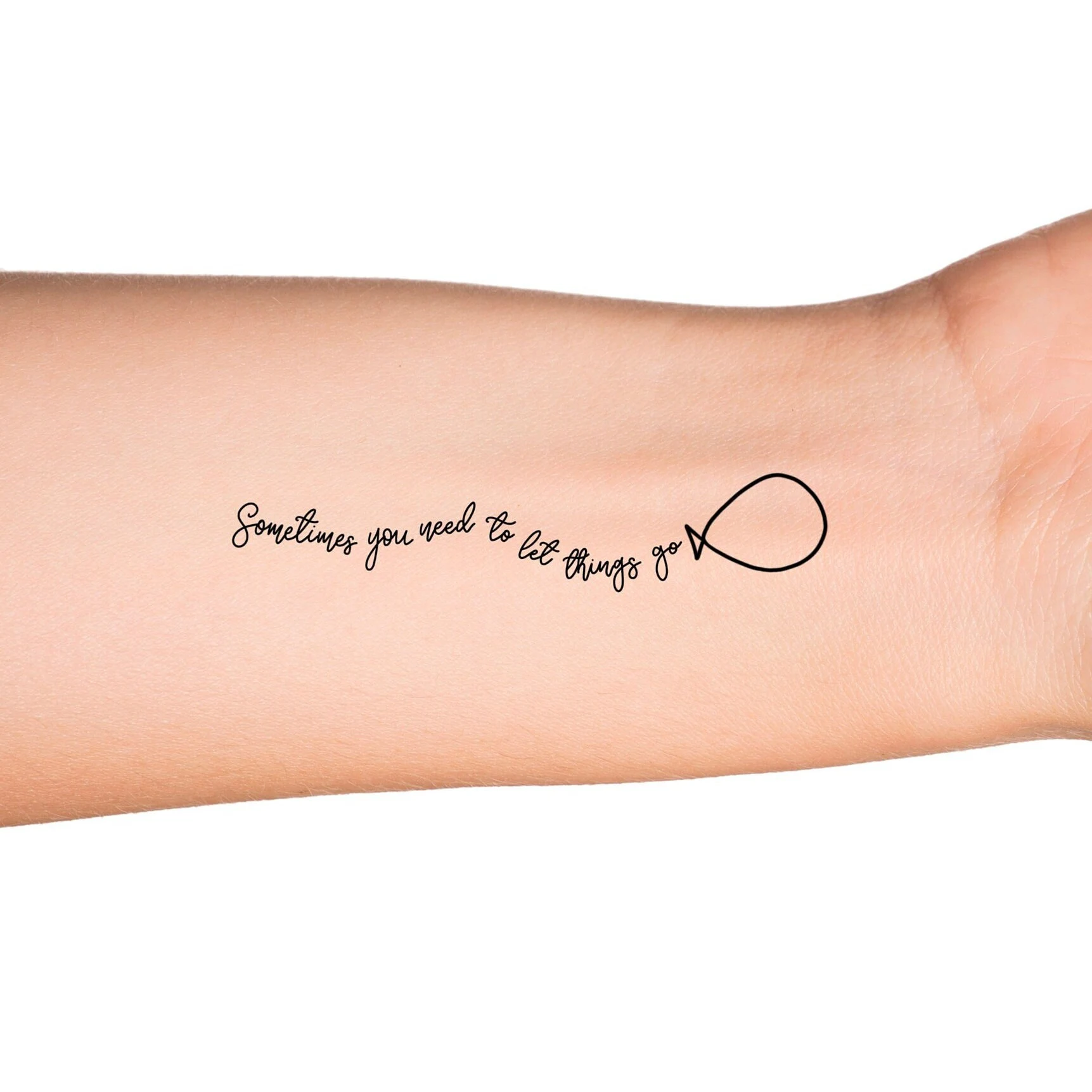
Getting a tattoo often feels like a permanent declaration of who you are at that moment. But what happens when that moment passes, and you’re left with ink that no longer represents you? The journey of removing a tattoo can be surprisingly complex, involving not just physical procedures but emotional hurdles that many people don’t anticipate.
The Emotional Weight of Erasing Your Past
Tattoos are rarely just decorations on our skin. They mark relationships, commemorate loved ones, celebrate achievements, or capture a version of ourselves we once embraced. Deciding to remove one means confronting the memories and emotions tied to that ink.
Some people feel relief when they finally commit to removal, but others experience unexpected grief. You might find yourself mourning the end of a chapter in your life, even if it’s a chapter you’re ready to close. This emotional complexity is completely normal and something you should give yourself space to process.
The decision to remove a tattoo often comes with judgment from others too. Friends might question why you got it in the first place, or strangers might offer unsolicited opinions about your choice to remove it. Remember that your body is your own, and you don’t owe anyone an explanation for your decisions.
Why Removal Takes More Commitment Than Getting Inked
When you get a tattoo, you sit through one session and walk out with permanent artwork. Removal, ironically, requires much more patience and dedication. Most tattoos need multiple laser sessions spaced weeks apart, turning what seems like a simple decision into a months-long commitment.
Each session can be uncomfortable, and the process requires diligent aftercare between appointments. You’ll need to protect the area from sun exposure, keep it clean, and resist the temptation to rush the process. This extended timeline tests your resolve in ways that getting the original tattoo never did.
The financial investment also adds up quickly. While a tattoo might cost a few hundred dollars, removal can easily exceed that original price tag. This reality makes some people hesitate or delay their decision, living with regret longer than necessary.
Finding the Right Professional Makes All the Difference
Not all removal services are created equal, and choosing the wrong provider can lead to scarring, incomplete removal, or wasted money. Research is essential when you’re ready to take this step. Look for certified professionals who use modern laser technology and have extensive experience with various skin types and ink colors.
If you’re in the area and searching for the best tattoo removal in Surrey, take time to read reviews, view before-and-after photos, and schedule consultations with multiple providers. The right practitioner will assess your specific tattoo, set realistic expectations, and create a customized treatment plan for your needs.
During consultations, don’t hesitate to ask questions about the technology being used, the expected number of sessions, and what results you can realistically achieve. A trustworthy professional will be honest about what’s possible rather than making promises they can’t keep.
The Physical Reality Nobody Warns You About
People often compare the pain of tattoo removal to having a rubber band snapped against your skin repeatedly. While pain tolerance varies, most people find removal at least as uncomfortable as getting the tattoo, if not more so. The good news is that sessions are typically shorter than the original tattooing process.
After each treatment, you’ll likely experience redness, swelling, and sometimes blistering. Your skin needs time to heal and flush out the broken-down ink particles. This healing process is crucial for successful removal, so following aftercare instructions isn’t optional.
Some tattoos fade more easily than others. Black ink typically responds best to laser treatment, while certain colors like green and yellow can be stubborn. The age of your tattoo, its depth, and your skin type all influence how well and how quickly removal works.
Moving Forward Without Regret
Choosing to remove a tattoo doesn’t mean you made a mistake getting it in the first place. People change, circumstances evolve, and what once felt meaningful might no longer fit your life. Giving yourself permission to change is an act of self-compassion, not failure.
The journey of letting go, whether it’s a relationship, a belief, or a tattoo, teaches us about growth and transformation. Your decision to remove a tattoo is simply another chapter in your story, not an erasure of your past but an acknowledgment that you’re moving forward.