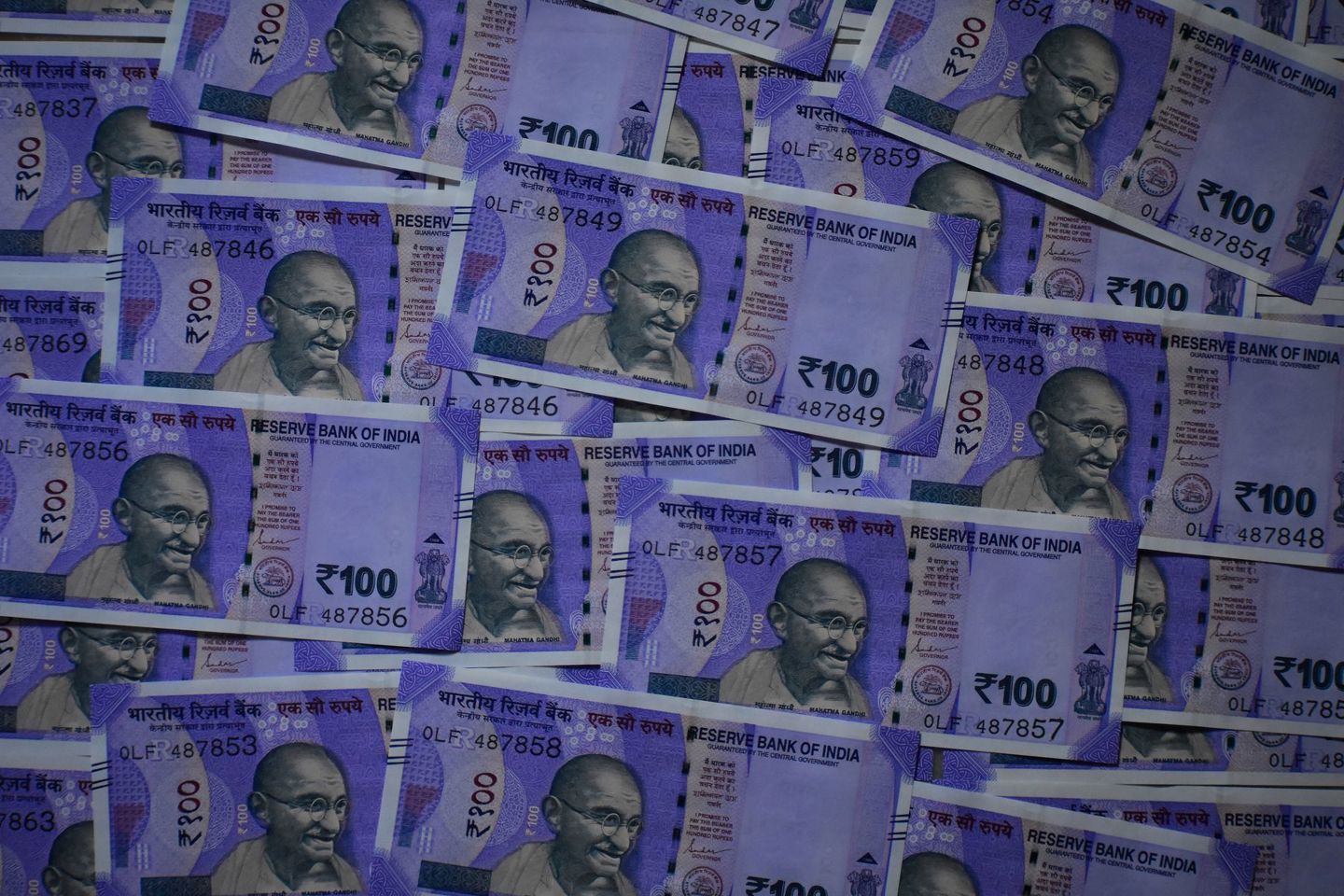
India ranks among the busiest crypto markets in the world. Shiba Inu sales there face a 30% tax, with 1% TDS withheld at the point of sale. A parliamentary panel is also debating transaction monitoring.
On 25 October 2026, Binance listed the shib to inr rate at ₹0.0004595 per token, down 1.38% over 24 hours. A 10 million SHIB holding comes to ₹4,595 at that rate. The same listing puts market cap at ₹270.8 billion and 24-hour volume at ₹4 billion, with 589.2 trillion tokens (99.95%) of the 589.6 trillion maximum supply in circulation and a #33 popularity rank. Indian tax rules decide the rest.
Why Does India’s Adoption Lead Meet Trading Friction?
India landed 6th in this year’s 117-country adoption index, a rebuilt version that scores countries on 4 factors. The strong showings came from total flows at 2nd and on-chain balances at 3rd, with peer-to-peer activity and cross-border flows sitting at 16th apiece.
Last year’s edition had India at 1st overall and 1st on all 4 sub-indices among 151 countries. The method changed between the two, so the rankings cannot be lined up directly.
Richard Teng, Binance’s co-CEO, offered one reason for the pull in a November 2025 CNBC interview. India, he said, is a “very important market” with a “very tech-savvy population” and a “very young demographic.” Trading on that scale arrives alongside a tax system that records each sale.
How Does SHIB to INR Carry Tax Consequences?
Gains from selling a virtual digital asset like SHIB are taxed at a flat 30%, plus 4% cess. Only the cost of acquisition comes off the gain. A loss gets no such relief, since it cannot offset other income or roll into later years. Anyone who remembers the old section numbers will find them shuffled, since the Income-tax Act, 2025 came into force on 1 April 2026 and carried the same rules across.
TDS works separately. A 1% deduction on the sale consideration is withheld at the earlier of payment or credit, and an exchange takes it directly when it pays the seller. Intraday trades trigger a deduction each time a position is squared off. Without a PAN, the rate jumps to 20%.
Here’s a hypothetical sale at the 25 October rate:
| Step | Amount | Note |
| Sale of 500 million SHIB | ₹2,29,750 | At the 25 October rate |
| Acquisition cost | ₹1,80,000 | Hypothetical |
| Gain | ₹49,750 | Fees excluded |
| Tax at 30% | ₹14,925 | Plus 4% cess |
| TDS at 1% | ₹2,297.50 | Withheld at sale |
What Could the Transaction Monitoring Debate Change?
Parliament’s Standing Committee on Finance, chaired by Bhartruhari Mahtab, has met 8 times on virtual digital assets since 8 September 2025. A report for the Lok Sabha Speaker is being prepared. Reported ideas include expanded transaction monitoring and blockchain surveillance.
No binding exchange requirement exists yet. Students of policy have a neat case study here. Turning it all into a report goes smoothly with recording sources while drafting from the first note.
Which Compliance Habits Should Come First?
Take a full journey. Buying 500 million SHIB for ₹1,80,000 and selling at the 25 October rate brings in ₹2,29,750, with ₹2,297.50 withheld on the spot. The ₹49,750 gain attracts ₹14,925 in tax plus ₹597 in cess, a total of ₹15,522.
Frequent trading piles on paperwork, because the 1% deduction applies to each sale. A ₹4,595 sale loses ₹45.95 to TDS on the spot, so 5 of them in a day produce 5 separate deductions.
Records that hold up later usually start with a few habits:
- Save the source and timestamp of any rate used, such as the 25 October 2026 listing above.
- Log each trade’s date, quantity, rupee value and cost when it happens.
- Keep sale value, cost, gain and TDS in separate columns of a workings sheet.
- Link the PAN to the exchange account, since a missing one lifts TDS to 20%.
- Follow the committee’s report, which has no legal force until adopted.
The figures here are educational examples and carry no tax or investment advice. Rates and rules can change, so a real trade deserves current figures from official sources.
Frequently Asked Questions About SHIB Tax in India
What taxes apply when SHIB is sold for rupees? Gains are taxed at a flat 30% plus 4% cess, and only the cost of acquisition can be deducted. Losses cannot be set against other income or carried forward. Separately, TDS of 1% is held back from the sale consideration at the earlier of payment or credit. A seller with no PAN on record faces 20% instead, and neither surcharge nor cess pushes the rate any higher.
Do any new crypto monitoring rules apply in India yet? None have been announced for exchanges so far. Since 8 September 2025 the Standing Committee on Finance has met 8 times on virtual digital assets and is putting together a report for the Lok Sabha Speaker, where expanded monitoring and blockchain surveillance are among the possible recommendations.
Published 25 October 2026. By James Stewart, a content writer and strategist covering finance, technology, and business, with clear explanations for students and professionals. Connect via LinkedIn.