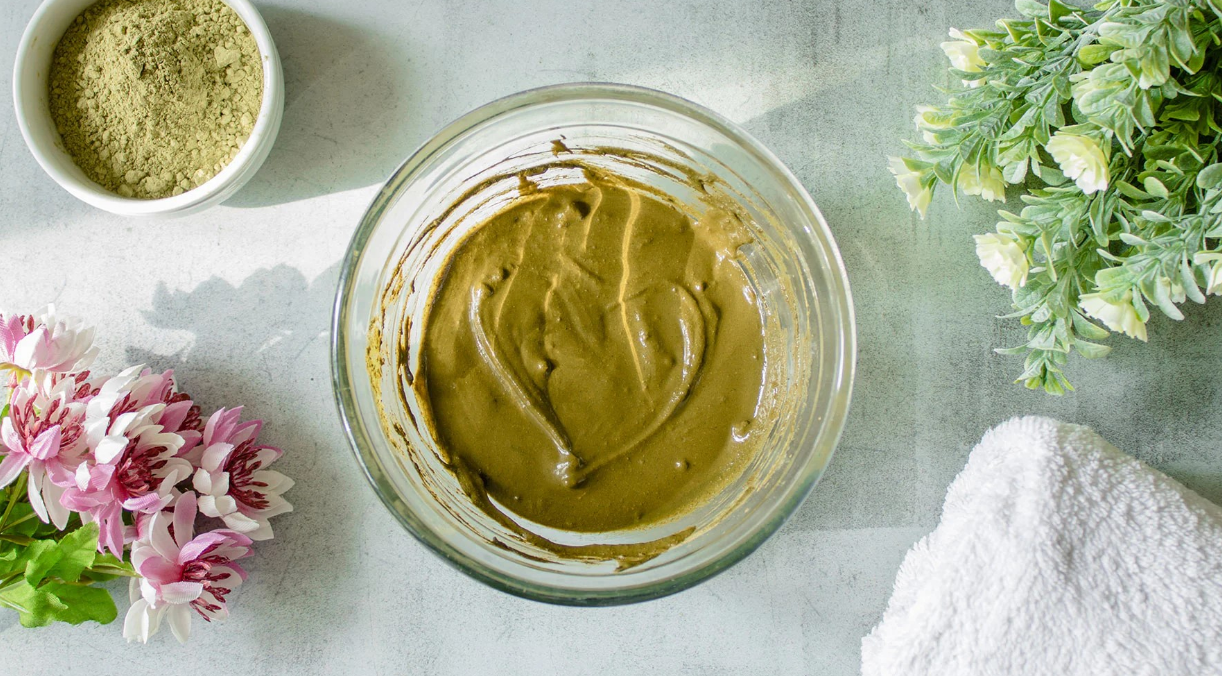
Henna (Lawsonia inermis) is a natural dye made from the henna tree. This tree is also known as Egyptian Privet or Mignonette.
The leaves of this plant contain a natural color used for:
- Making temporary designs on the body.
- Coloring hair, skin, and nails.
- Dyeing fabrics like leather, wool, and silk.
Henna has been used for a very long time, starting in Ancient Egypt. It is also very popular in:
- North Africa and the Arabian Peninsula.
- South Asia and other tropical areas.
Today, the henna plant grows mostly in the hot regions of Australia, Pakistan, and India.
What is the Plant Like?
Henna is a flowering plant. It grows best in very hot weather, even up to 120°F. However, it can still grow in cooler weather down to 50°F.
The leaves are usually about 2 to 3 centimeters long, and their exact color depends on where the plant grows.
How Does it Stain?
The henna plant contains a special chemical called “Lawsone.” This is an orange-red dye.
When you put henna on your skin, the dye mixes with keratin (a protein in our skin). This process is what leaves the stain behind.
How Dark Will the Color Be?
The color can range from deep burgundy to light orange. The darkness depends on two things:
- The quality of the leaves.
- What ingredients were used to make the paste.
Henna grown in hot and dry weather usually gives the darkest and best stain.
The Henna Powder Mixture
Whole henna leaves cannot stain your skin on their own. The color only appears when a special part of the plant, called the lawsone molecule, joins with the keratin in your skin.
Because of this, henna leaves are dried, turned into powder, and then mixed into a paste. When you put this paste on your skin, the lawsone molecule slowly soaks into the top layer of your skin to leave a stain.
Since it is hard to draw designs with raw leaves, henna is usually sold as a powder. This powder is made by drying and sifting the leaves. People mix this powder with liquids like:
- Water
- Coffee
- Lemon juice
- Other natural ingredients
The paste needs to sit for a while before you use it, so it can get ready. You can also add essential oils, like lavender or tea tree oil, to make the color darker.
Important Note: Natural henna paste does not stay fresh for long. You should not keep it for more than one week, or it will go bad.
Wedding Traditions and Eid Celebrations
Henna is a big part of special days like weddings, Eid, and birthdays. This tradition is very popular in Pakistan, India, Africa, and the Middle East.
The most famous event is the Henna Night, where the bride, her family, and friends all get henna designs together; while the bride’s pattern is detailed, many guests prefer elegant and Simple Mehandi Designs to join the celebration. There is singing, dancing, and joy, which helps bring the family closer.
The bride’s design is always the most special. It can take many hours to finish and is the most detailed design in the whole family. In India and Africa, there is a fun tradition: as long as the henna color stays on the bride’s hands, she does not have to do any housework!
Another big time for henna is Eid-ul-Fitr, which Muslims celebrate at the end of Ramadan. Women put beautiful designs on their hands and celebrate with friends and family for three days. These celebrations include big breakfasts (brunch), visiting relatives, and giving gifts.
How Dark is the Henna Color?
Henna leaves a brown or reddish-orange stain on the skin. The shade depends on the quality of the powder and how the paste was made.
Usually, the color lasts between 4 days and 2 weeks. The darkest stains appear on parts of the body that are not washed as often, such as:
- The palms of the hands
- The soles of the feet
- The feet
Designs on the stomach or back also tend to stay looking the same for a long time.
Using Mehndi (Henna) as Hair Dye
Mehndi is a natural, permanent way to color your hair. It has been used for thousands of years, dating back to ancient Egypt. Because it is made from plants and has no chemicals, it is becoming very popular all over the world. People use it for their hair, eyebrows, and even beards.
How it Works
Unlike store-bought dyes, Mehndi does not come in many different colors. The process also takes more time because the natural dye (called Lawsone) needs time to stick to your hair protein. This “bonding” process can take 15 to 24 hours in total.
The Step-by-Step Process:
- Wait: Let the Mehndi mixture sit in a bowl for about 8 hours before using it.
- Apply: Put it on your hair and leave it there for 4 to 10 hours.
- Result: As the color settles, your hair texture will improve and the color will become richer.
The Benefits
Using Mehndi is great for your hair’s health. Here is why:
- Natural Color: It gives shades ranging from orange to a golden-red.
- Strength: It makes hair stronger and prevents it from breaking.
- Shine: It leaves hair looking glossy and bright.
- Scalp Health: It helps get rid of dandruff because it fights fungus.
- Softness: It makes hair softer and more flexible.
- Repair: It brings life back to dry or damaged hair.
The Downsides
There are a few things to keep in mind before you try it:
- Test First: It is not for everyone. You should always test a small patch of skin first to make sure you aren’t allergic.
- Permanent: This color is permanent and does not wash out easily.
- Time-Consuming: It takes much longer to apply than a box of chemical dye.
- Limited Color: By itself, it only dyes hair a reddish-orange. To get other colors, you must mix it with other herbs like Indigo or Amla.
Types of Henna
There are generally 3 main types of Henna:
1. Natural Henna
Natural Henna comes from the leaves of a plant called Lawsonia inermis. This is the most authentic and pure form of henna.
- Color: It leaves a deep reddish-brown stain on the skin.
- Duration: The color usually lasts for about one week.
2. Neutral Henna
Neutral Henna isn’t actually henna at all. It is made from a different plant called Cassia Obovata.
- Look: It looks like natural henna powder, but its chemical structure is very different.
- Effect: The most important thing to know is that it does not change your hair color on its own.
3. Black Henna
Black Henna is a mix of indigo, natural henna, and other chemicals. The most dangerous ingredient often found in it is PPD (paraphenylenediamine).
- The Risk: PPD is a chemical meant for dyeing clothes, but some makers put it in henna cones and hair dyes to get a dark color quickly.
- Warning: The FDA (the US health agency) has banned PPD for use on skin and hair. Black henna can cause severe allergies and permanent scars on the skin.
Henna Today
Nowadays, henna is sold all over the world for beauty purposes. Many brands mix pure henna powder with other herbs to create different shades, such as:
- Auburn
- Brown
- Burgundy
- Jet Black
How to use it: To get these specific colors, it is usually done in two steps – first, you apply the henna, and then you apply the other herbal powders.
Aside from hair and skin, henna is also used as an ingredient in perfumes, soaps, and shampoos.
Frequently Asked Questions
Is henna illegal in the US?
Henna hair dye is completely legal in the United States. However, the FDA has not officially approved henna paste for the skin. This is because some pastes contain extra ingredients that can irritate the skin. Keep in mind that “not approved by the FDA” does not mean that henna is illegal to use.
Is henna religious or cultural?
Henna is both. Muslims, Hindus, Sikhs, and Buddhists use it as part of their religious traditions. At the same time, it is a big part of Middle Eastern and Asian culture, where people wear it to celebrate festivals and weddings.
Can you get black or other colors from a henna tattoo?
Natural henna only leaves an orange or reddish-brown color. You can add natural ingredients like beetroot powder to make the shade darker. However, a true black color is only possible if you use “black henna,” which contains chemicals that can be unsafe for your skin.
What are the side effects of henna?
It is hard to find 100% organic henna these days. Many products sold in stores have added chemicals, especially black henna. These mixed products can damage your skin or your scalp. Always check the ingredients before using them.