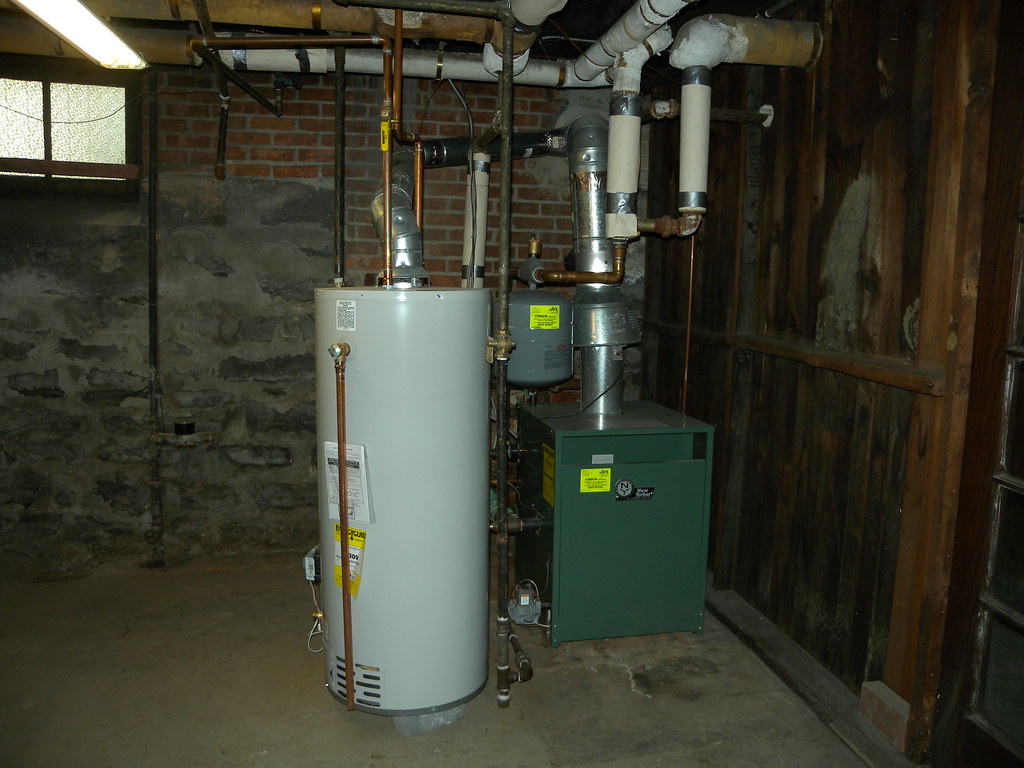
Decades of exposure to pressurized potable water, high temperatures, and cyclic thermal expansion inevitably degrade residential water storage vessels. As municipal supplies circulate, dissolved carbonates precipitate onto vessel surfaces, forming dense calcified deposits that insulate heat exchangers and force continuous burner operation. Over years of thermal cycling, microscopic steel expansion causes vitreous enamel linings to fracture, exposing raw metal seams to electrochemical attack. Once sacrificial anode rods dissolve completely, galvanic currents rapidly pit vessel walls, causing irreversible thinning along the tank perimeter. These structural degradations manifest as sudden weld breaches, catastrophic tank ruptures, and flooding that damages finished basements and foundations. Furthermore, operating compromised equipment past its design life depresses efficiency and inflates utility expenses. Addressing these compounding structural risks requires moving beyond temporary patch repairs toward comprehensive system renewal.
When structural corrosion compromises domestic plumbing systems or mechanical components fail repeatedly, arranging professional water heater replacement restores safe and efficient thermal performance across residential properties. The certified plumbing technicians at The Hot Water Heater Pros perform thorough peak-demand sizing evaluations, verify structural platform capacities, and install code-compliant containment assemblies to prevent catastrophic water damage and guarantee long-term operational reliability.
Executing planned mechanical replacements before tank wall perforations occur protects residential properties from expensive water remediation and structural restoration. Disciplined mechanical installations restore optimal system recovery rates, satisfy municipal plumbing codes, and ensure uninterrupted access to sanitary hot water.
Electrochemical Tank Pitting, Glass-Lining Delamination, and Containment Failure
Domestic water heaters operate under continuous internal hydrostatic pressures ranging between forty and eighty pounds per square inch. This persistent mechanical pressure subjects the welded steel cylinder to continuous hoop stress, which is compounded by daily temperature swings between incoming cold water and regulated storage temperatures. Over time, these dynamic thermal and pressure cycles cause the steel tank to flex microscopically, exceeding the elasticity threshold of the bonded interior porcelain enamel lining.
Once the vitreous glass fractures, water directly contacts the underlying steel casing, initiating galvanic oxidation. Sacrificial anode rods—engineered from reactive magnesium or aluminum-zinc alloys—provide temporary cathodic protection by corroding preferentially. However, untreated mineral hardness and domestic water softeners deplete these protective sacrificial cores within three to five years.
When anode rods are fully consumed, oxidation attacks the steel vessel directly, forming concentrated pinhole fissures along welded seams and near lower heating element ports. Because outer fiberglass insulation blankets and sheet metal outer jackets conceal the steel vessel, localized corrosion remains undetectable until water seeps past bottom pans. Plumbing codes explicitly prohibit patching, welding, or mechanically sealing pressurized potable water vessels, rendering complete system decommissioning the only legally compliant and safe recourse.
Hydraulic Sizing Methodologies, First Hour Ratings, and Code-Mandated Upgrades
Selecting replacement equipment requires precise engineering calculations to balance household recovery demands with efficiency standards. Rather than relying solely on nominal gallonage, technicians determine capacity using First Hour Rating metrics. This calculation evaluates burner thermal input or electrical element wattage alongside storage capacity to establish the maximum volume of heated water delivered during peak consumption intervals.
Modern installation standards also require upgrading peripheral plumbing infrastructure to meet contemporary safety codes. When replacing an obsolete unit within a modern closed-loop plumbing system, technicians install a calibrated thermal expansion tank. This pre-pressurized diaphragm vessel absorbs volumetric expansion generated during heating cycles, preventing damaging hydraulic pressure surges that strain household pipe joints and fixture cartridges.
Additionally, installations require dielectric unions to eliminate galvanic corrosion between dissimilar copper and galvanized steel piping interfaces. Technicians also install full-port brass isolation valves for rapid emergency shutoff, secondary drain pans with dedicated exterior drain lines to prevent floor saturation, and properly oriented temperature and pressure relief valves equipped with rigid, air-gapped copper discharge piping. These comprehensive installation protocols ensure peak thermodynamic performance while fully safeguarding property integrity.