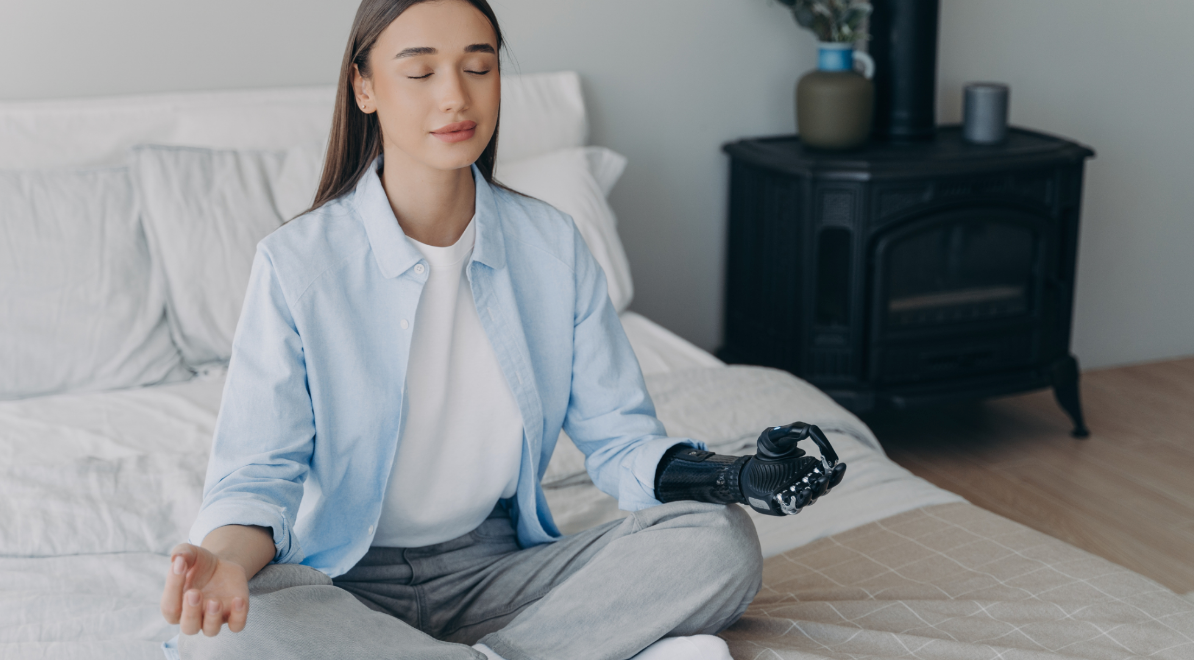
Most people know they should relax more. But here’s what most people miss: relaxation isn’t just you melting into a couch. It’s a measurable biological event. Your brain chemistry shifts. Your hormones recalibrate.
Your cells begin repairing damage they couldn’t touch while you were running on adrenaline. According to the 2022 National Health Interview Survey, 11.1% of adult Americans received massage therapy in the past year, which tells you something important: structured, intentional relaxation is already part of millions of daily routines.
The real question worth asking yourself is, is it part of yours?
Why Relaxation Isn’t Optional: What the Research Actually Says
Let’s drop the wellness clichés for a second. Relaxation isn’t a luxury reserved for vacations or spa days. Science is increasingly clear that it’s foundational to how your body and brain perform on an ordinary Tuesday.
What Relaxation Does to Your Brain
When you genuinely decompress, your brain transitions away from high-frequency beta waves toward calmer alpha and theta activity. That shift has real consequences. Memory consolidation improves. Emotional regulation sharpens. Creative thinking opens up in ways it simply can’t when you’re stressed.
Whether it’s through meditation, deep breathing, or using luxury massage chairs to unwind after a demanding day, relaxation helps lower cortisol levels and stabilize your mood. Neuroscientists call this the “relaxation response,” and it actively works against chronic stress at a neurological level, not just a surface one.
What Happens Inside Your Body
The brain changes are striking, but the body follows right along. Your autonomic nervous system pivots from “fight or flight” into “rest and digest,” slowing heart rate, dropping blood pressure, and triggering the kind of cellular repair your body can’t prioritize when it’s busy bracing for threats.
A 2025 randomized controlled trial found that massage sessions reduced muscle tone by 7.2% and increased subjective relaxation scores by 23.4%. Those aren’t marginal numbers. That’s meaningful, measurable change, the kind that compounds over weeks and months when you’re consistent.
The Real Benefits of Making Relaxation a Daily Practice
Once you understand the mechanism, the outcomes start making a lot more sense. Here’s what consistent relaxation actually delivers.
Hormonal Balance and Better Sleep
Regular relaxation brings cortisol and adrenaline down in a sustained way, not just in the moment. The downstream effects include more stable sleep cycles, steadier moods throughout the day, and sharper cognitive focus when it counts. People who practice this consistently report fewer afternoon energy crashes. That alone is worth paying attention to.
Stronger Performance and Resilience
Here’s something that surprises a lot of high performers: relaxation doesn’t slow you down. It makes you sharper. Research connects regular relaxation practice to higher productivity, faster recovery from setbacks, and stronger relationships.
When your nervous system isn’t perpetually overloaded, you respond to situations instead of reacting to them. That distinction between responding versus reacting shows up everywhere in both professional and personal life.
Relaxation Techniques That Are Actually Backed by Evidence
Compelling data is one thing. Practical application is what moves the needle. So which techniques genuinely deliver?
Mindfulness and Meditation
Mindfulness works through neuroplasticity; it physically strengthens the prefrontal cortex and reduces activity in the stress-reactive amygdala over time. Ten minutes a day is enough to produce measurable shifts in emotional regulation. Apps like Calm and Headspace make guided practice accessible without any special equipment or setup.
Progressive Muscle Relaxation and Breathwork
Pair mindfulness with something physical, and the benefits compound. Body scanning combined with controlled diaphragmatic breathing activates the parasympathetic nervous system fast. Even five minutes of slow breathwork before bed has been shown to reduce nighttime cortisol spikes and shorten sleep onset time. Simple, effective, and free.
Modern Tools and Technology-Assisted Relaxation
Breathwork builds a solid foundation. Technology extends what’s possible. Wearables now track heart rate variability, giving you real-time data on your stress state throughout the day. Biofeedback devices help you consciously learn to regulate your nervous system, something that used to require clinical settings.
For those serious about bringing professional-level recovery home, luxury massage chairs from OSIM, certified by the Professional Chiropractic Association and backed by over 250 patented technologies, deliver full-body therapeutic relief that rivals traditional massage sessions, on your schedule, whenever you actually need it. Combine that with aromatherapy or sound therapy, and you’ve built a genuinely multisensory recovery environment in your own space.
Building a Relaxation Routine That Actually Sticks
Knowing what works is step one. Building it into your life consistently is where the transformation happens.
Your Personal Relaxation Ritual
Think of relaxation as bookmarks around your day. Morning breathwork signals your nervous system that the day ahead is manageable. A midday mindfulness pause resets you before the afternoon. An evening massage chair session closes the loop. Alternating between active relaxation walking, yoga, and passive recovery, like massage, keeps things sustainable over the long term.
Use Data to Personalize Your Approach
Wellness journals and tools like Oura or Whoop help you identify patterns. Track sleep quality, mood, and energy levels across two to three weeks. You’ll start seeing clearly which practices are genuinely working for your specific physiology and which ones you can skip.
Common Questions Worth Answering Directly
How does relaxation affect well-being?
It supports both mental and physical health in concrete ways, such as better focus, improved sleep, lower blood pressure, and more stable digestion. It’s a practical, evidence-based tool, not a wellness trend.
What is the science behind relaxation?
Relaxation techniques stimulate the parasympathetic nervous system, counteracting stress by reducing heart rate, blood pressure, and muscle tension throughout the body.
How do you know if it’s actually working?
Monitor sleep quality, morning energy, and mood consistency over two to three weeks. Reduced muscle tension and sharper focus are reliable early indicators.
Start Where You Are
Learning to relax scientifically isn’t about achieving some perfect meditative stillness. It’s about giving your body and mind what they need to genuinely recover so you can show up better at work, in relationships, and for yourself.
Whether you begin with five minutes of breathwork or invest in luxury massage chairs from OSIM as the centerpiece of your home recovery setup, the most important move is simply starting. Your performance, your health, and your resilience are all downstream of this one commitment.
What’s working in your current relaxation routine? Drop it in the comments or explore how luxury massage chairs from OSIM can anchor your daily recovery practice.