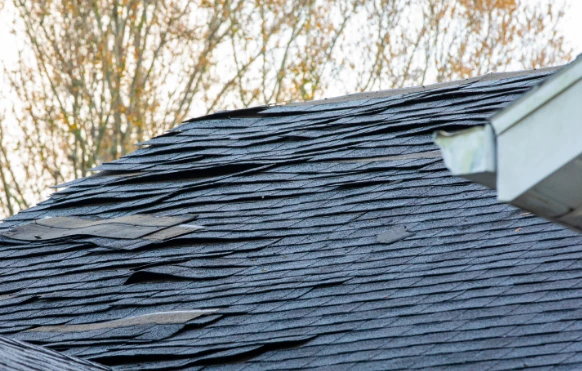
A roof rarely fails overnight. It slowly wears down, weakens, and develops issues that quietly build until they become expensive problems. Most homeowners don’t notice the early warning signs, because roof trouble often hides in plain sight. And by the time the damage becomes obvious, the repair bill has already grown.
Why Hidden Roof Problems Escalate
Roof systems are layered, and damage tends to start beneath the surface. Minor weaknesses spread through insulation, flashing, or decking long before anything becomes visible. Homeowners in older areas or places with harsh weather patterns often learn this the hard way, especially when they postpone inspections or assume a new roof won’t need attention soon.
One of the biggest challenges is that roof problems don’t always look dramatic. A tiny gap around flashing isn’t eye-catching. A softened patch of plywood isn’t visible from the outside. A subtle dip in the shingles might be ignored for years. But the consequences aren’t subtle at all.
The Warning Signs Most People Miss
Below are the early signs that almost always get overlooked:
1. Slight discoloration
Shingles with faint color inconsistencies often signal water absorption. This is usually the earliest stage of moisture penetration and long-term weakening.
2. Minor granule loss
If you’ve never checked the gutters for granules, you’re not alone. This is one of the earliest signs that shingles are wearing down.
3. Hairline cracks
These tiny fractures tend to develop in extreme heat or prolonged sun exposure. Even if shingles still look intact from a distance, the surface integrity is compromised.
4. Subtle attic humidity
Homeowners check the roof from the outside but ignore the attic. Mild dampness indicates ventilation problems or hidden leaks.
5. Popped nails
Nails that have lifted even slightly break the seal and let water in. Many people don’t see these unless they climb up close.
Why These Problems Stay Invisible
Roof problems stay hidden because they don’t immediately affect daily life. If there’s no leak, there’s no panic. And unless a storm tears off shingles or causes massive damage, most people forget about the roof entirely. Yet long before visible leaks appear, moisture and temperature changes start wearing down your home’s structure.
In areas where Roof Replacement NY is a common necessity, seasonal weather shifts make this even more critical. Snow loads, freeze-thaw cycles, humidity, and coastal winds all create conditions where early signs matter.
How Small Issues Lead to Big Bills
Once water enters the system, it spreads horizontally. The leak might appear far from the original damage, making diagnosis harder. By then, insulation can be soaked, wood can weaken, and mold can begin forming silently.
The cost difference between a minor fix and major structural repair is huge. And many homeowners only realize this when the contractor explains the underlying damage.
What Homeowners Should Examine Regularly
Use these habits to keep issues from escalating:
- Check gutters for granules twice a year
- Look for slight sagging or dips
- Inspect attic humidity and insulation
- Review flashing around chimneys, vents, and skylights
- Watch for early shingle curling
These small habits protect your roof’s lifespan and save real money.
When a Professional Assessment Matters
Sometimes you can’t see or diagnose issues without trained eyes. This is particularly true when evaluating long-term wear and tear in areas with weather extremes like Roof Replacement NY markets. A professional knows how to detect:
- Micro-fractures that weaken shingles
- Misaligned decking
- Ventilation imbalances
- Moisture trapped beneath shingles
Regular checkups aren’t a luxury. They’re preventative care.
Why Awareness Is Your Best Defense
The biggest takeaway is simple: early roof problems don’t look like problems. They hide in tiny cracks, subtle discolorations, and small shifts in material. Once water intrusion starts, replacement becomes inevitable.
Homeowners who catch these details early extend their roof’s lifespan and avoid massive expenses. Those who ignore the early signs often end up facing the dreaded phrase: Roof Replacement NY long before they expected.
Final Thoughts: Why Early Attention Saves Your Roof
Most homeowners underestimate how fast a small roof issue turns into structural damage. The early signs never feel urgent. A faint stain. A lifted nail. A little attic humidity. All of it feels harmless until the roof system has already taken on enough moisture to weaken the layers beneath. The truth is that these problems don’t stay still. Water moves sideways, wood softens quietly, and the roof’s protective barrier loses strength long before anything looks dramatic from the ground.
Paying attention early is the only way to stay ahead of this cycle. Roofs fail slowly, and that slow decline gives you a window to act before the damage spreads. Those subtle warning signs you catch in year one might save you from a full tear-off in year three. And in regions where Roof Replacement NY becomes a common topic every winter, waiting for the obvious signs means showing up late to your own roof’s problems.
A strong prevention mindset starts with understanding the roof as a system, not a single layer of shingles. Flashing issues affect decking. Ventilation problems affect humidity. Granule loss exposes asphalt. Each small shift has a ripple effect on the rest of the structure. When you make inspections a routine instead of a reaction, you get ahead of the chain reaction that leads to major repairs.