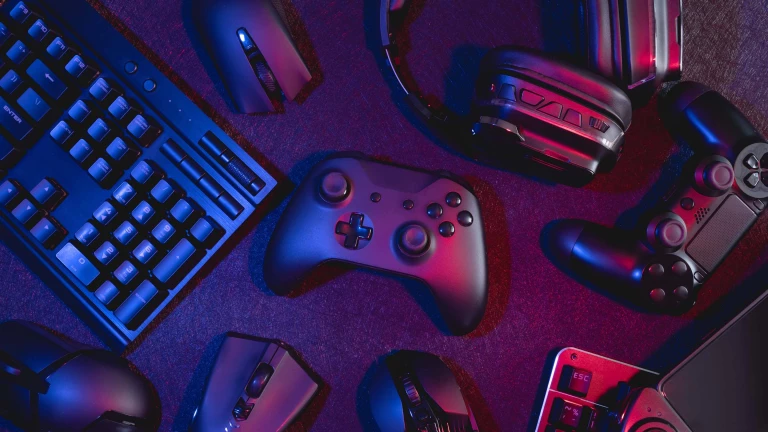
Online bandot88 has evolved into one of the most influential forms of entertainment, connecting millions of players worldwide and revolutionizing the way we interact with games and each other. What started as a small, niche hobby has now grown into a multi-billion-dollar industry, driven by technological advancements, the rise of esports, and the increasing integration of social features. In this article, we’ll explore the history of online gaming, its impact on society, and the future of this dynamic industry that continues to grow and evolve.
The Genesis of Online Gaming: The Early Days
The concept of online gaming first emerged in the late 1980s and early 1990s with simple text-based games that allowed players to connect over computer networks. MUD (Multi-User Dungeon) and Spasim were among the first games to introduce multiplayer experiences, where players could interact with each other in virtual worlds through text-based commands. While rudimentary by today’s standards, these early games were pioneers in bringing players together online.
In the 1990s, the internet began to rapidly expand, and with it came the dawn of real-time multiplayer gaming. Titles like Doom (1993) and Warcraft (1994) allowed players to connect to each other via dial-up internet, laying the foundation for competitive and cooperative online gameplay. These games marked the beginning of a new era in gaming—one where the boundaries of the virtual world were defined by player interaction rather than by artificial intelligence (AI).
The early 2000s saw the explosion of massively multiplayer online role-playing games (MMORPGs) like World of Warcraft (2004). These games created expansive, persistent virtual worlds where players could interact with thousands of others in real time. MMORPGs turned online gaming into a global phenomenon, offering players an immersive experience and a space to build virtual lives, friendships, and communities.
The Socialization of Gaming: Connecting Players Globally
One of the biggest changes in the gaming industry has been the shift from solitary gameplay to a social experience. Online gaming has transformed into a platform for social interaction, enabling players to meet others, form teams, and collaborate or compete in virtual environments, regardless of geographical distance.
Multiplayer games like Fortnite, Minecraft, League of Legends, and Call of Duty have fostered vibrant communities, where players can join forces to complete missions, battle for victory, or simply explore virtual worlds. Features like voice chat, text messaging, and emotes allow players to communicate with teammates in real time, enhancing the social experience.
In addition to in-game communication, platforms like Discord, Twitch, and YouTube Gaming have further expanded the social aspect of gaming. Twitch has turned gaming into a live, interactive form of entertainment, with millions of viewers tuning in to watch professional gamers, content creators, and esports tournaments. Gamers now have the opportunity to share their experiences with a global audience, interact with fans, and connect with others who share their passion for gaming.
Esports: The Rise of Competitive Gaming
Esports—competitive video gaming—has evolved into a massive industry, turning professional gaming into a global spectator sport. What was once a hobby for a small group of gamers is now a professionally organized industry with million-dollar prize pools, sponsorships, and live-streamed events. Esports tournaments, like The International (Dota 2), League of Legends World Championship, and Overwatch League, now attract millions of viewers, both online and in physical arenas.
Esports has transformed gaming into a legitimate profession. Professional gamers now compete in leagues and tournaments, earning salaries, sponsorships, and prizes from major brands. As the esports industry grows, it has created opportunities for players, coaches, analysts, broadcasters, and event organizers to build careers in gaming. The increasing popularity of esports has led to its integration into mainstream media, with television networks broadcasting events and corporate sponsors investing heavily in the competitive gaming scene.
Furthermore, collegiate esports programs are now a growing trend, with universities offering scholarships for competitive gamers and creating programs that allow students to pursue a career in esports. Esports has not only redefined how we think about competition but has also opened up new avenues for career development and recognition within the gaming community.
Mobile Gaming: Gaming for Everyone
The advent of mobile gaming has been a major catalyst for the growth of the gaming industry. With the proliferation of smartphones and tablets, gaming has become more accessible than ever before. Popular mobile games like Pokémon GO, Candy Crush Saga, Clash Royale, and PUBG Mobile have introduced millions of people to gaming, many of whom might not have otherwise engaged with consoles or PCs.
Mobile gaming offers the convenience of gaming on-the-go, allowing players to enjoy their favorite games whenever and wherever they choose. The free-to-play model has helped mobile gaming thrive, enabling players to download games at no cost and make in-app purchases for premium content, upgrades, or cosmetic items.
Furthermore, mobile gaming has embraced cross-platform play, allowing players on mobile devices to connect and compete with others on consoles and PCs. This has bridged the gap between different gaming ecosystems, providing a more unified experience for players across all platforms.
Cloud Gaming: Gaming Without Limits
Cloud gaming has emerged as a groundbreaking technology that allows players to stream games directly from remote servers, eliminating the need for high-end gaming hardware. Services like Google Stadia, Nvidia GeForce Now, and Xbox Cloud Gaming allow players to access high-quality games on devices that traditionally wouldn’t be able to run such titles, such as smartphones, low-end PCs, and smart TVs.
Cloud gaming has made gaming more accessible by reducing the need for expensive gaming consoles or powerful PCs. Players can stream their favorite games without worrying about storage limitations or the need to upgrade their hardware regularly. The cloud also enables instant access to games, eliminating the long download times traditionally associated with installing large game files.
As 5G networks continue to expand, cloud gaming will become even more seamless, offering lower latency, higher resolution, and smoother gameplay. This will make it easier for players to enjoy high-quality gaming experiences from virtually any device with an internet connection, further democratizing access to gaming.
Virtual Reality (VR) and Augmented Reality (AR): The Future of Immersive Gaming
Virtual reality (VR) and augmented reality (AR) are reshaping the landscape of gaming, offering immersive, interactive experiences that were once thought to be science fiction. VR enables players to step into fully realized 3D worlds and interact with them in ways that traditional gaming cannot replicate. Games like Beat Saber and Half-Life: Alyx showcase VR’s potential for creating highly engaging and realistic experiences.
AR, on the other hand, overlays digital elements on the real world, creating a hybrid experience where virtual and physical elements coexist. Pokémon GO revolutionized AR gaming by encouraging players to explore their real-world surroundings while interacting with virtual creatures. As AR technology improves, it has the potential to create even more dynamic and engaging gaming experiences, merging the physical and digital worlds.
As both VR and AR technologies continue to advance, they will play a key role in the future of gaming, offering new ways for players to experience and engage with digital worlds. These technologies hold incredible potential for creating immersive, interactive, and personalized experiences in gaming.
The Cultural Impact of Online Gaming
Beyond entertainment, online gaming has become a major cultural force, influencing a wide range of industries, from music and fashion to film and television. Games like Fortnite have hosted virtual concerts, where artists like Travis Scott have performed in-game to millions of players. This convergence of music and gaming represents a new form of live entertainment that blends digital and physical spaces, offering audiences new ways to experience events.
In addition to entertainment, online gaming has become a platform for creativity and self-expression. Games like Minecraft and Roblox allow players to create their own worlds, characters, and stories, fostering creativity and allowing players to share their creations with others. This has made gaming a space where players can showcase their talents, whether through designing intricate buildings, creating in-game art, or developing new games.
Furthermore, online gaming has become a space for inclusivity and social change. Many developers are prioritizing diversity in their games, creating characters and narratives that reflect a wide range of experiences and identities. This inclusivity is also reflected in gaming communities, where players from different cultures, backgrounds, and abilities come together to support each other and promote positive social values.
The Future of Online Gaming: Endless Opportunities
The future of online gaming is boundless, with cloud gaming, VR, AR, and AI set to revolutionize the gaming experience. As technology continues to improve, online gaming will become more immersive, dynamic, and personalized. The growth of 5G networks will make cloud gaming faster and more reliable, ensuring that players can stream high-quality games with minimal lag and enhanced visual fidelity.
Esports will continue to grow, attracting larger audiences and creating new career opportunities for players, analysts, and event organizers. Cross-platform play will continue to break down the barriers between different devices, ensuring that players can compete or cooperate no matter their platform. Artificial intelligence will enhance gameplay, making virtual worlds more responsive and dynamic, adapting to the player’s actions and offering unique experiences every time they play.
Conclusion: The Digital Future of Entertainment
Online slot depo 5000 has become a global cultural and economic powerhouse, transforming the way we connect, create, and experience entertainment. From multiplayer online games to immersive VR worlds, online gaming has provided an ever-expanding digital landscape for players to explore and enjoy. As technology continues to evolve, the gaming industry will continue to push boundaries, offering new ways to connect, compete, and collaborate with others.
With cloud gaming, esports, mobile gaming, and immersive technologies leading the charge, the future of online gaming is more exciting than ever before. As the industry continues to innovate and grow, online gaming will remain a dominant force in entertainment, culture, and technology for years to come. Whether you’re a casual gamer, a competitive esports player, or a content creator, the world of online gaming holds endless opportunities for exploration and connection.