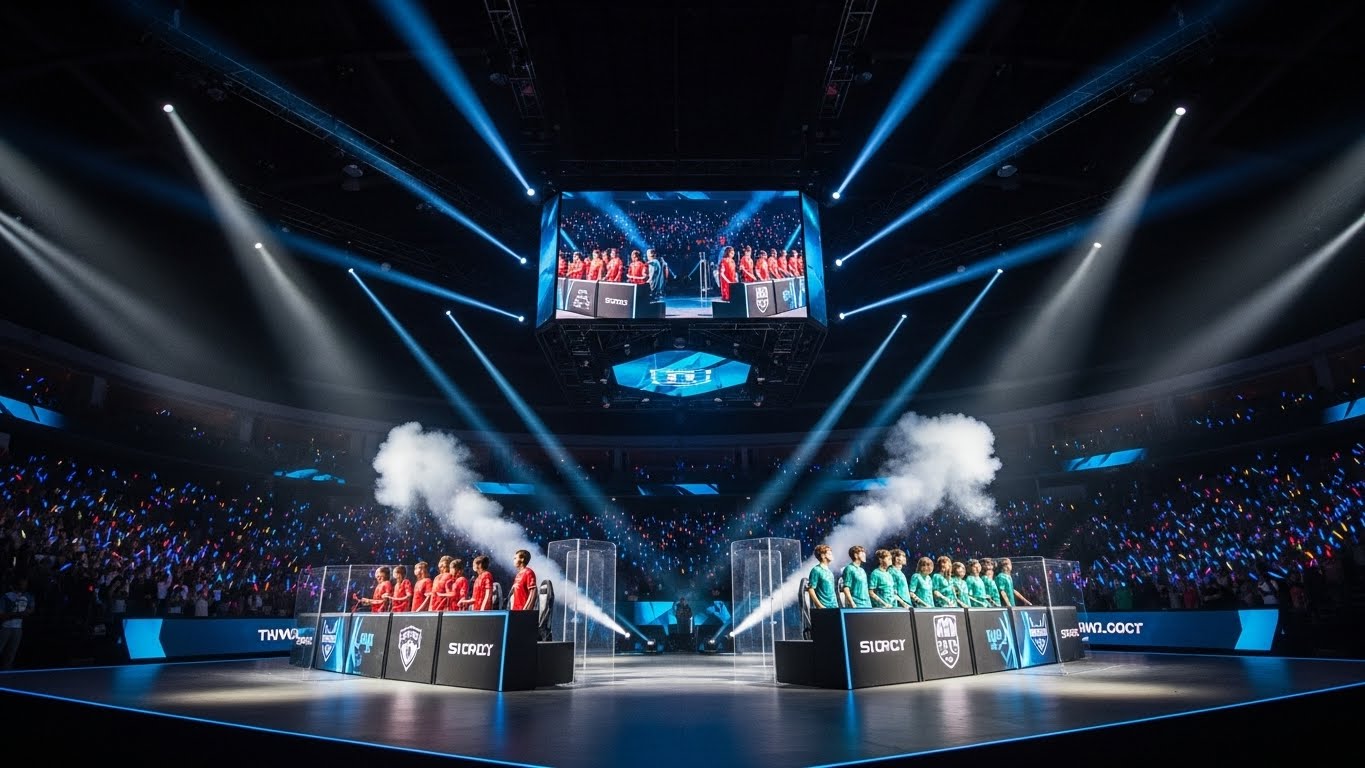
Online https://hoki123.net/ has transformed from a niche hobby into a global cultural force. What once required bulky consoles and local multiplayer setups has evolved into an interconnected digital ecosystem where millions of players compete, collaborate, and create communities in real time. Today, online gaming is not just about playing—it’s about identity, creativity, competition, and opportunity.
In this article, we explore how online gaming has evolved, why it has become so popular, and what it means for the future of entertainment and society.
The Evolution of Online Gaming
The journey of online gaming began with simple text-based multiplayer games in the early days of the internet. As broadband connections improved, so did the complexity and scale of games. Titles like World of Warcraft brought massive multiplayer experiences to the mainstream, allowing thousands of players to inhabit the same virtual world simultaneously.
Later, competitive games such as Counter-Strike and League of Legends introduced structured online competition, ranking systems, and professional tournaments. Today, battle royale hits like Fortnite and mobile sensations like PUBG Mobile attract players from all age groups and regions.
The shift from offline to online gaming has been driven by faster internet, affordable smartphones, cloud computing, and cross-platform compatibility. Players can now connect instantly from anywhere in the world.
Why Online Gaming Is So Popular
1. Social Connectivity
One of the biggest reasons behind the success of online gaming is its social nature. Modern games are designed to bring people together. Whether it’s teaming up with friends or meeting new players globally, online gaming creates digital friendships that often extend beyond the screen.
Voice chat, guilds, clans, and community forums make games interactive and collaborative. For many players, logging in is less about the game itself and more about spending time with their online circle.
2. Competitive Excitement
Online gaming fuels the human desire for competition. Ranking systems, leaderboards, seasonal rewards, and tournaments push players to improve their skills. Competitive gaming, also known as esports, has grown into a billion-dollar industry with professional players, coaches, analysts, and large audiences.
Events inspired by competitive games now fill arenas and attract millions of online viewers worldwide.
3. Accessibility Across Devices
Online gaming is no longer limited to PCs and consoles. Smartphones have made gaming accessible to almost everyone. Free-to-play models allow players to start without financial barriers, while in-game purchases offer customization and cosmetic upgrades.
Cloud gaming services are also making high-quality gaming possible without expensive hardware, further expanding the audience.
4. Constant Updates and Live Content
Unlike traditional offline games, online games evolve constantly. Developers release seasonal updates, new maps, characters, and storylines. This live-service model keeps the experience fresh and engaging.
Players don’t just buy a game—they invest in an evolving digital world.
The Rise of Esports and Streaming
Esports has turned gaming into a professional career path. Competitive tournaments now offer multi-million-dollar prize pools. Platforms like Twitch and YouTube Gaming allow players to broadcast gameplay to global audiences.
Streaming has created a new category of influencers—gaming content creators. These individuals build communities, entertain viewers, and earn revenue through ads, sponsorships, and fan support.
The line between player and entertainer is increasingly blurred.
Benefits of Online Gaming
While online gaming sometimes faces criticism, it offers several positive benefits when approached responsibly:
- Improved cognitive skills: Strategy games enhance problem-solving and critical thinking.
- Teamwork and communication: Multiplayer games require coordination and collaboration.
- Stress relief: Gaming can provide relaxation and escapism after a long day.
- Cultural exchange: Players interact with people from different countries and backgrounds.
Many educational institutions are even exploring gamification and game-based learning as teaching tools.
Challenges and Responsible Gaming
Despite its advantages, online gaming also presents challenges:
- Excessive screen time
- In-game spending habits
- Toxic behavior in competitive environments
- Data privacy and cybersecurity risks
The key is balance. Setting time limits, managing spending, and choosing positive gaming communities can ensure a healthy experience.
Parents and guardians also play an important role in guiding younger players toward age-appropriate games and responsible online behavior.
The Future of Online Gaming
The future of online gaming looks incredibly promising. Emerging technologies such as virtual reality (VR), augmented reality (AR), and artificial intelligence (AI) are set to redefine immersion.
Imagine fully interactive virtual worlds where players don’t just control characters but physically move and interact in digital spaces. The concept of the “metaverse” hints at a future where gaming, social interaction, and digital commerce merge into one unified experience.
Blockchain-based games and digital ownership through NFTs have also sparked new conversations about in-game economies and asset control.
Final Thoughts
Online hoki123 is more than entertainment—it is a global digital culture. It connects people, creates careers, and fosters creativity. From casual mobile games to professional esports tournaments, the industry continues to evolve at an impressive pace.
As technology advances and communities grow stronger, online gaming will remain at the forefront of digital innovation. Whether you are a competitive player, a casual gamer, or simply an observer, there is no denying that the digital arena has become a defining feature of modern entertainment.
The game is no longer just on the screen—it’s part of our connected world.