Imagine traveling thousands of miles for an African safari, only to spend most of your vacation driving between parks with disappointing wildlife sightings. Choosing the wrong destinations, visiting during unsuitable seasons, or rushing through game drives can turn an exciting adventure into an expensive missed opportunity.
Tanzania offers remarkable opportunities to see lions, leopards, elephants, African buffalo, and endangered black rhinos in their natural habitats. The UNESCO World Heritage Centre recognizes Serengeti National Park for its exceptional wildlife populations and annual migration. Knowing where to go and how long to stay makes a meaningful difference when planning your safari.
Where Are the Best Places to See the Big Five in Tanzania?
The Serengeti and Ngorongoro Crater offer some of Tanzania's strongest opportunities for spotting the Big Five. Tarangire is particularly rewarding for elephants, while Lake Manyara and Nyerere National Park provide different habitats and wildlife experiences. No single destination guarantees sightings of every species.
Travelers considering Tanzania safari tours should prioritize destinations according to their wildlife interests, available travel days, and preferred season. Combining complementary parks often provides a more rewarding experience than visiting numerous destinations without allowing enough time for wildlife encounters.
What Animals Make Up Africa's Big Five?
Africa's Big Five includes the lion, leopard, African elephant, African buffalo, and rhinoceros. The term originated in big-game hunting but now commonly describes five iconic animals that safari travelers hope to observe and photograph.
In Tanzania, the black rhinoceros is generally the most difficult of these animals to encounter because populations are limited and carefully protected.
1. Serengeti National Park: Best for Lions and Leopards
Serengeti National Park is one of Tanzania's most celebrated safari destinations, known for extensive grasslands, abundant herbivores, and exceptional predator viewing. Lions frequently inhabit the central plains, while leopards favor riverine vegetation, trees, and rocky formations called kopjes.
Where to Look for Wildlife
The Seronera region is particularly popular for big-cat sightings because its varied habitats support resident wildlife throughout the year. Experienced guides often search around rocky outcrops and river corridors where predators rest or hunt.
The Serengeti also hosts elephants and buffalo, although rhinoceros sightings are uncommon and should never be expected.
Best Time to Visit
Wildlife viewing is possible throughout the year, but conditions change seasonally. The southern Serengeti and neighboring Ndutu region attract migration herds during the calving season, generally around January through March.
The northern Serengeti becomes especially popular during the migration's river-crossing period, usually between July and October, although wildlife movements depend on rainfall.
2. Ngorongoro Crater: Best for Seeing Multiple Big Five Species
Ngorongoro Crater offers one of Tanzania's most concentrated wildlife experiences. Its grasslands, forests, wetlands, and permanent water sources support numerous animals within a relatively compact area, making it particularly appealing for travelers with limited safari time.
Why Ngorongoro Is Special
The crater is among Tanzania's most important destinations for observing endangered black rhinos in the wild. Lions, buffalo, and elephants also inhabit the conservation area, while leopards are more elusive.
According to the UNESCO World Heritage Centre, the Ngorongoro Conservation Area contains globally significant wildlife habitats and important archaeological sites, making it valuable for both conservation and cultural heritage.
Best Game Drive Strategy
Early departures can provide cooler temperatures, softer photography light, and opportunities to observe active wildlife. However, crater access is regulated, and visitors should follow designated routes and park requirements.
Allow sufficient time for a full crater excursion rather than treating the destination as a brief stop between other parks.
3. Tarangire National Park: Best for Elephant Encounters
Tarangire National Park is famous for its impressive elephant populations, ancient baobab trees, and seasonal wildlife concentrations. The Tarangire River provides an important water source during dry periods, attracting animals from surrounding landscapes.
Wildlife You Can Expect
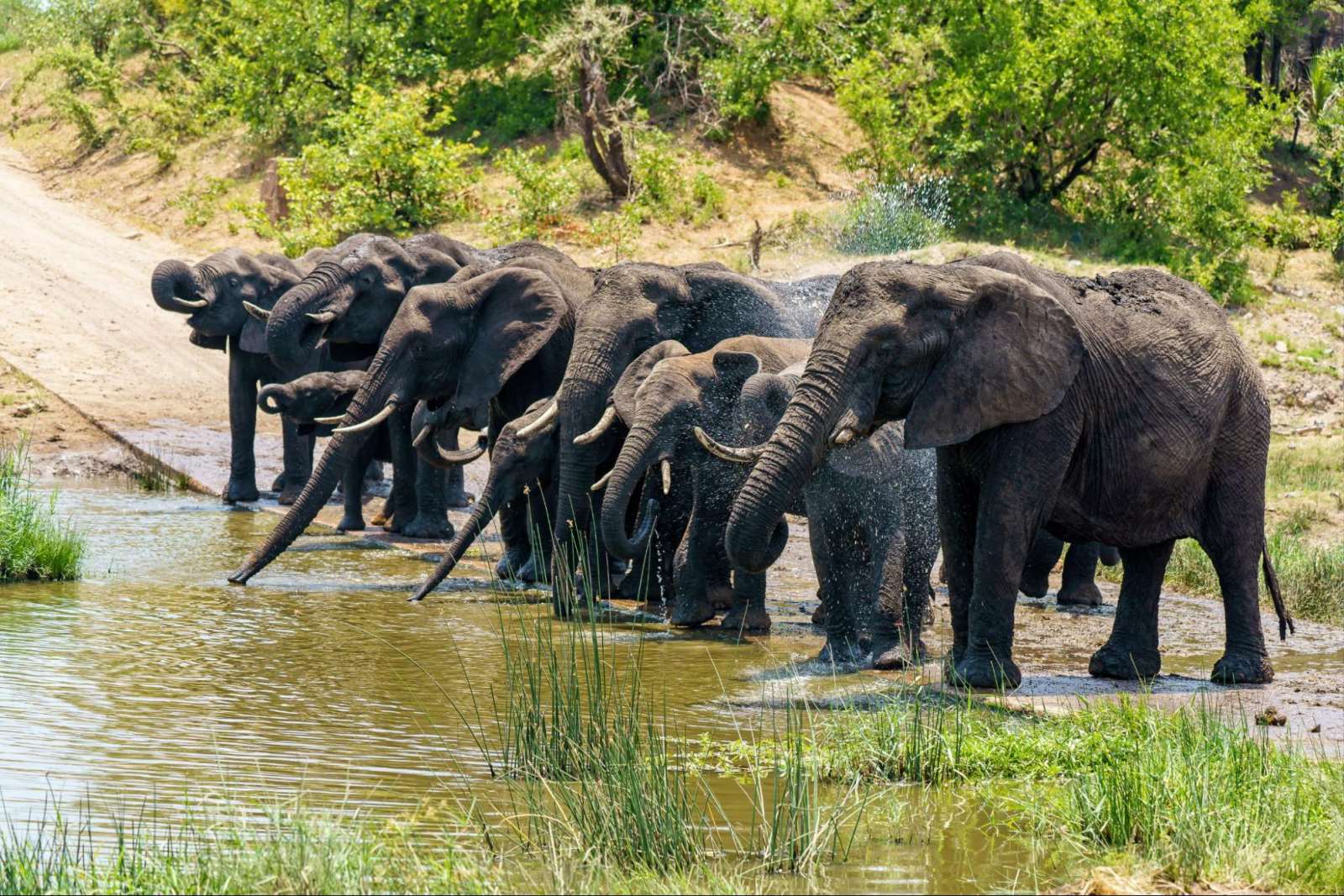
Large elephant groups are a major attraction, while buffalo, giraffes, zebras, and antelope are also regularly encountered. Lions inhabit the park, and leopards can sometimes be observed in suitable habitats.
Tarangire is not a reliable destination for black rhino sightings, so travelers focused on completing the Big Five should combine it with Ngorongoro.
When to Visit Tarangire
The dry season, generally June through October, is especially rewarding because animals gather around remaining water sources. Vegetation can also become less dense, improving visibility during game drives.
During wetter months, the park remains scenic and supports excellent birdwatching, although wildlife may be more dispersed.
4. Lake Manyara National Park: Best for Diverse Habitats
Lake Manyara National Park offers a distinctive safari experience with groundwater forests, open grasslands, wetlands, and dramatic escarpment scenery. Its relatively compact size makes it convenient for travelers exploring Tanzania's northern safari circuit.
Tree-Climbing Lions and Other Wildlife
Lake Manyara is associated with tree-climbing lions, although sightings are unpredictable. Elephants, buffalo, hippos, monkeys, and numerous bird species provide additional opportunities for wildlife observation.
The park is better suited to travelers seeking habitat diversity than those expecting to encounter all five iconic animals in one visit.
Who Should Include Lake Manyara?
Lake Manyara can be a worthwhile addition for first-time visitors who want a varied itinerary without spending every day in expansive savannah landscapes. It also appeals to birdwatchers and photographers interested in forests, wetlands, and wildlife behavior.
Combining Manyara with Tarangire and Ngorongoro creates a geographically practical northern route.
5. Nyerere National Park: Best for Remote Safari Experiences
Nyerere National Park, established from part of the former Selous Game Reserve, offers an expansive wilderness experience in southern Tanzania. Its rivers, woodlands, and open habitats create a different safari atmosphere from the popular northern circuit.
Wildlife and Safari Activities
Visitors may encounter elephants, buffalo, lions, hippos, crocodiles, and African wild dogs. Leopards are present but difficult to spot, while black rhino sightings are exceptionally rare.
Depending on location and operator arrangements, activities can include vehicle-based game drives, boat safaris, and guided walking experiences conducted under applicable regulations.
Why Choose Nyerere?
Nyerere suits travelers who value expansive landscapes, fewer encounters with other safari vehicles, and varied ways to explore wildlife habitats. It is particularly attractive for repeat safari visitors seeking experiences beyond Tanzania's best-known northern destinations.
However, it is not the strongest choice for travelers whose primary goal is seeing every Big Five species.
How to Choose the Right Tanzania Big Five Safari Route
The best itinerary depends on whether you prioritize wildlife variety, photography, comfort, or remote exploration. Travel distances also matter because combining too many parks can leave insufficient time for actual game drives.
Compare the Main Destinations
|
Destination |
Biggest attraction |
Big Five potential |
|
Serengeti |
Lions, leopards, migration |
Strong, except rhinos are difficult |
|
Ngorongoro Crater |
Concentrated wildlife, black rhinos |
Strongest all-round opportunity |
|
Tarangire |
Elephant herds and baobabs |
Excellent elephants, no reliable rhinos |
|
Lake Manyara |
Forests and varied wildlife |
Selected species |
|
Nyerere |
Remote wilderness and boat safaris |
Several species, rhinos extremely rare |
A Practical Seven-Day Northern Safari
A seven-day itinerary could include two nights around Tarangire, two nights in the Serengeti, and two nights near Ngorongoro, with the remaining time allocated to arrival or departure logistics. Exact scheduling depends on transfer distances, park entry arrangements, and accommodation locations.
This approach provides meaningful time in complementary habitats without requiring constant relocation.
Best Time to See the Big Five in Tanzania
Tanzania offers year-round safari opportunities, although weather influences vegetation, water availability, and wildlife movements. Understanding these patterns helps travelers choose suitable destinations rather than relying exclusively on peak-season popularity.
Dry Season: June Through October
The dry season often provides favorable wildlife viewing because vegetation becomes thinner and animals concentrate near available water. Tarangire can be particularly rewarding during this period, while the Serengeti offers excellent predator opportunities.
However, popular areas may attract more safari vehicles, and accommodation availability can become limited.
Green Season: November Through May
The green season brings lush scenery, dramatic skies, migratory birds, and opportunities to observe young animals. The southern Serengeti's calving period is especially attractive to travelers interested in predator-prey interactions.
Rainfall can affect road conditions and wildlife distribution, so flexible planning remains important.
Frequently Asked Questions
What Is the Best Place to See All Big Five Animals in Tanzania?
Ngorongoro Crater offers one of Tanzania's strongest opportunities to encounter all five species because black rhinos inhabit the conservation area alongside lions, elephants, buffalo, and leopards. However, sightings are never guaranteed, particularly for elusive leopards and endangered rhinos.
How Many Days Do You Need for a Tanzania Big Five Safari?
Approximately six to eight days can provide a rewarding northern Tanzania safari covering the Serengeti, Ngorongoro, and Tarangire. Additional days allow more relaxed game drives, fewer rushed transfers, and greater flexibility when wildlife sightings are unpredictable.
Can You See the Big Five in Tanzania Year-Round?
Yes, Big Five species inhabit Tanzania throughout the year, but individual sightings vary by location, weather, and animal behavior. Dry-season conditions often improve visibility, while green-season safaris offer different advantages, including lush scenery and seasonal wildlife activity.
Is Tanzania Better Than Kenya for Seeing the Big Five?
Both Tanzania and Kenya provide outstanding wildlife experiences. Tanzania stands out for the Serengeti, Ngorongoro Crater, and extensive wilderness landscapes, while Kenya offers exceptional reserves and conservancies. The better choice depends on travel dates, preferred safari activities, and individual wildlife priorities.
Final Thoughts on Planning Your Tanzania Big Five Safari
Tanzania's Serengeti, Ngorongoro Crater, Tarangire, Lake Manyara, and Nyerere National Park each offer distinctive wildlife experiences. Combining destinations strategically provides a richer safari than simply visiting the greatest number of parks.
Prioritize Ngorongoro for black rhino opportunities, Serengeti for big cats, and Tarangire for elephants. Give each destination enough time, travel with knowledgeable guides, and remember that the most memorable wildlife encounters often happen when you least expect them.