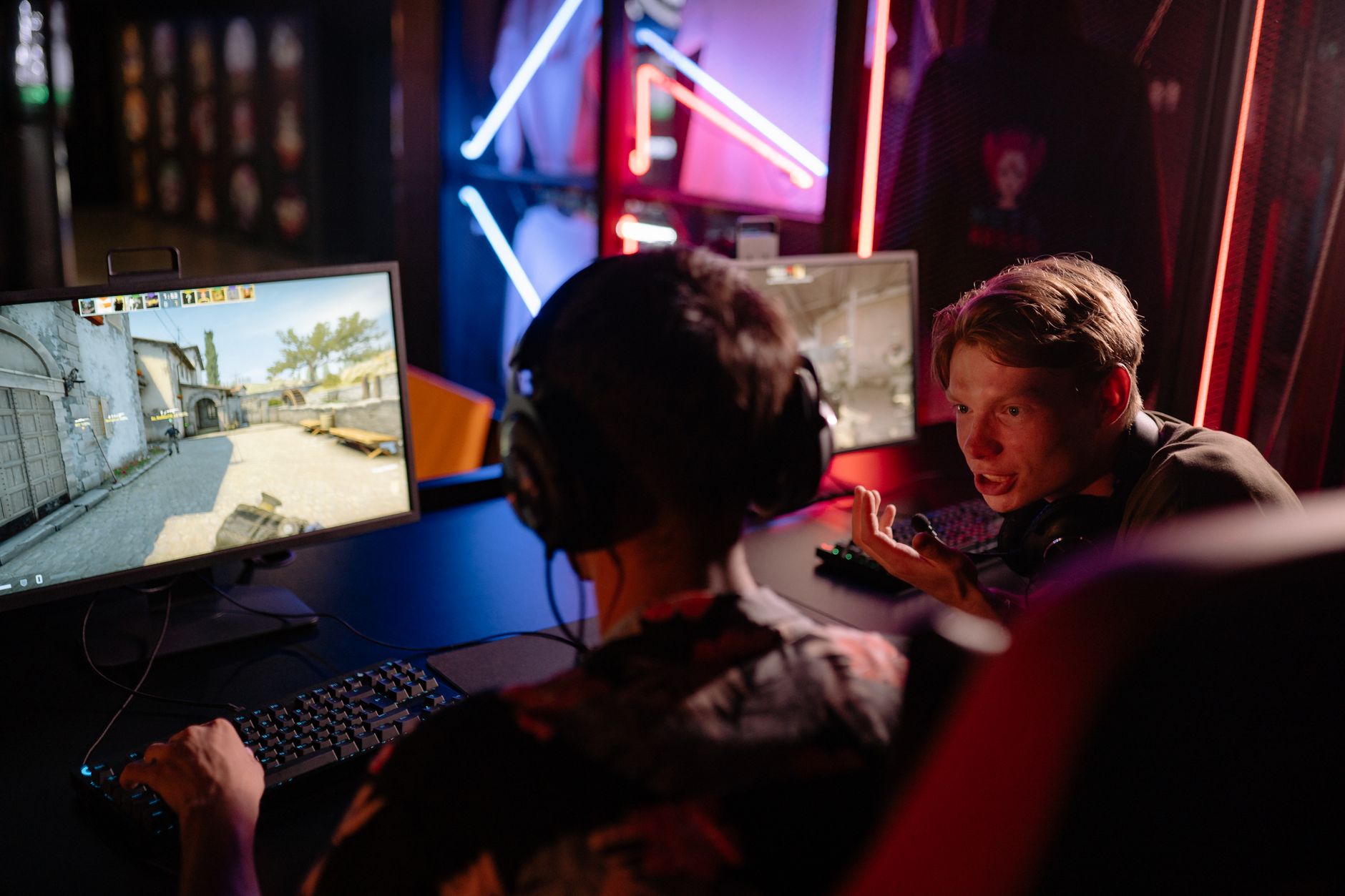
What happens when a huge, beautiful map meets a crowd of real people with no script? Sometimes a spontaneous parade. Sometimes a chaotic ambush. Often a quiet conversation by a campfire with someone you'll never meet again. Open-world multiplayer slot gacor hand you a living place and let the players decide what it means. There's no single right way to enjoy them, which is both the charm and the challenge. If you've ever been overwhelmed by a giant map full of icons, this guide will help you find your footing and enjoy the freedom without feeling lost.
What makes them different
In a linear game, designers lead you from one scene to the next. In an open world, you choose where to go and when. Add other players and the world becomes unpredictable, because every person you meet has their own plan.
The map is the main character. Forests, cities, coasts and ruins are all waiting, and many of the best moments come from wandering off the path and stumbling onto something nobody planned.
Different styles of shared worlds
Not all open worlds feel the same, and knowing the difference helps you pick one you'll enjoy.
- Cooperative worlds, where players team up against the environment
- Competitive worlds, where other players are the main danger
- Social worlds, built around building, trading and hanging out
- Persistent worlds that keep running even when you log off
If you prefer calm, choose a cooperative or social world. If you like tension, a competitive one gives every journey real stakes.
Finding your first goal
The biggest beginner mistake is trying to do everything. A map full of markers can feel like a to-do list from hell. Instead, pick one simple aim for your first session, such as reaching a distant landmark, collecting a certain resource or finding a friendly group.
A small goal gives your wandering a shape. Once you've reached it, choose another. Soon you'll have a feel for the world and a list of places you want to revisit.
Playing with friends
Open worlds shine with friends. Without a fixed path, you can invent your own adventures, split up to explore and meet again with stories to tell. Agree on a loose plan, but leave room for detours.
A few habits keep groups happy. Share loot fairly, wait for slower players and decide in advance whether you're aiming for progress or just fun. Many arguments disappear when everyone understands the plan.
Meeting strangers
Strangers are the wild card. Some are generous and will happily share advice. Others are hostile, especially in worlds that allow fighting between players. Learn how your game handles safety, and know whether you can switch to a calmer mode or server.
When in doubt, be friendly and cautious. A quick wave or a short message often makes the difference between a pleasant meeting and an unnecessary fight.
Managing the scale
Big worlds take time to cross. Learn the travel options early, whether that's mounts, vehicles or fast travel points. Mark places you want to return to, and keep a small stock of supplies so a long trip doesn't end badly.
It also helps to know when to stop. These games can swallow hours without you noticing. Set a time or a goal, then let yourself leave when you reach it.
Pay attention to the rhythm of the world as well. Many shared worlds have day and night cycles, changing weather and events that happen at certain times. Learning those patterns tells you when a region is busy, when a rare creature might appear and when it's wiser to stay safely at home. A little curiosity here pays off quickly, and it makes the map feel alive instead of random.
Avoiding the empty-world feeling
Sometimes a large world feels lonely. You might travel for ages without seeing anyone. If that happens, head to busier areas, join a group or visit a community hub. Many games have gathering spots where players naturally meet.
You can also create your own activity. Build something, host a small event or invite friends to join a project. A shared world rewards people who bring energy to it.
Staying safe and kind
Treat other players the way you'd want to be treated in a real town. Don't harass new players, don't spoil other people's projects and respect the rules. Keep personal details private, and use reporting tools if someone behaves badly.
Frequently asked questions
Are open-world multiplayer games good for beginners?
Yes, especially cooperative ones. Start with a small goal and play with friends if you can, so the size of the world feels friendly.
Do I need a lot of time to enjoy them?
Not necessarily. Short sessions with a clear goal work well, even though the worlds themselves are large.
What if I don't want other players attacking me?
Look for cooperative or social worlds, or check whether the slot offers safer servers and modes.
The short version
Pick one small goal, bring a friend if you can and enjoy the detours. Open-world multiplayer games are at their best when you let the world surprise you and treat other players kindly.