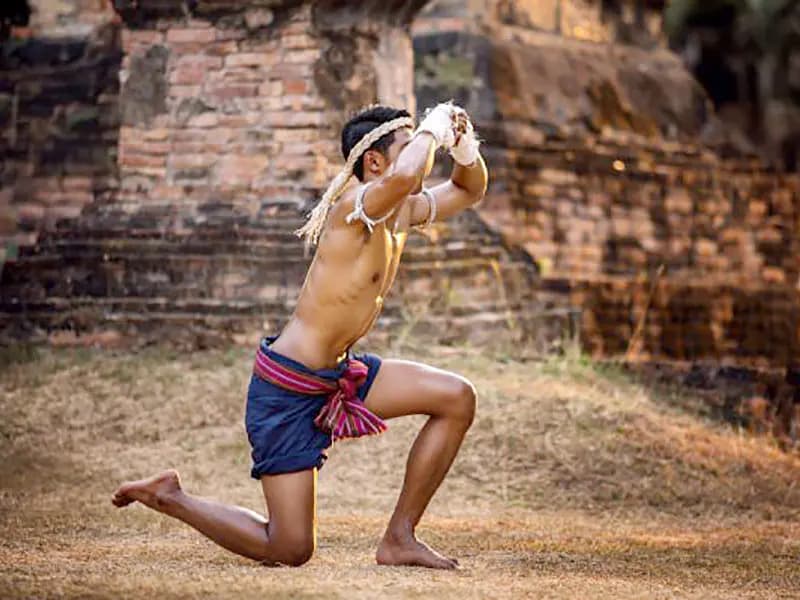
To the casual observer, a Muay Thai camp might look like nothing more than a high intensity gym filled with heavy bags and sweat. However, for those who understand the history of Southeast Asia, these training grounds are actually living museums. Muay Thai, or the art of eight limbs, is a discipline that has been refined over several centuries, originating from the battlefield tactics of ancient Siamese soldiers. When you step into a traditional camp in Thailand, you are not just signing up for a fitness class. You are entering a sanctuary where ancient warrior heritage is preserved through daily ritual, technical precision, and a deep seated code of honor.
The Battlefield Origins of the Eight Limbs
The technical structure of Muay Thai is a direct reflection of its military past. In the Sukhothai era, which began around 1238, soldiers were trained in hand to hand combat to defend the kingdom when weapons were lost. The use of fists, elbows, knees, and shins allowed a warrior to turn their entire body into a weapon. Statistics from historical combat analysis show that this system was one of the most efficient ever developed for close quarters engagement. Today, when you learn to throw a spear knee or a horizontal elbow, you are practicing the exact same mechanics used by the guards of the ancient kings. This continuity of technique is a rare example of a functional historical artifact that is still in active use.
Rituals as a Bridge to the Ancestors
A traditional camp such as Suwitmuaythai.com preserves the spirit of the past through specific spiritual rituals that are mandatory for all practitioners. The most prominent is the Wai Kru, a ceremonial dance performed before every professional bout. This ritual is a way for the fighter to pay tribute to their teachers, their family, and the pioneers of the sport who came before them. In the gym, this heritage is respected through the use of the Mongkhon, a sacred headpiece blessed by monks. These items are treated with extreme care and are never allowed to touch the ground. By participating in these traditions, travelers gain a profound understanding of Thai values like humility and gratitude, which are often lost in modern commercial sports.
The Role of Traditional Music in Combat
The atmosphere of the living museum is completed by the Sarama, the haunting rhythmic music that accompanies both training and fights. Played on a four piece ensemble that includes a Javanese oboe and traditional drums, the music is meant to mirror the heartbeat of the combatants. The tempo of the music fluctuates based on the intensity of the action, a practice that dates back hundreds of years. This auditory heritage helps fighters find their flow and serves as a psychological anchor during the heat of battle. Hearing these melodies in an open air gym at sunset is a sensory experience that transports you directly into the history of the Siamese warrior class.
Preservation Through the Trainer Student Bond
The most vital way this heritage is kept alive is through the relationship between the Kru, or master, and the student. In Thailand, knowledge is passed down orally and physically through generations. Many trainers at local camps have over 200 professional fights of experience, carrying with them subtle technical secrets that cannot be found in books or videos. This apprenticeship model ensures that the nuances of the sport remain untainted by modern trends. When you learn from a Thai Kru, you are receiving a direct transmission of wisdom that has been guarded and perfected for over five hundred years. This human connection is what makes the Muay Thai camp a truly interactive historical experience.