Missiles Costlier than Answers: Reflections on Operation Sindoor
Over the past twenty years, I have had a keen eye on the defense expenditure trends in the country and the election cycles. The aspect of Operation Sindoor that is particularly intriguing to me has less to do with military tactics or outcomes but rather with the disturbing questions that have remained unanswered after a full year of its execution. When 26 civilians were killed in Pahalgam in April 22, 2025, and 3,400 crore of missiles crossed the border in 13 days, it certainly got people talking in the country's policy-making circles. This is why.
The meadow called Baisaran, where these 26 men met their gruesome end, had zero armed security despite being Kashmir's prime tourist attraction. The closest base of CRPF was located at a distance of 45 minutes in difficult terrain. It took the rescue team 90 minutes from the time shooting started to reach there. Not security loophole-it's abandonment of security.
From the information received through investigations, the three terrorists were on the scene two days before the attack. One of the terrorists was known to have crossed the border way back in 2023 and was associated with another deadly attack.
Minister Rijiju acknowledged that the "lapses" were informed to some officials. However, after one year, we do not know what these lapses were, and no accountability has occurred. Accountability for me was everything. If operations were not successful, someone was held responsible. After the Mumbai attack in 2008, Home Minister resigned, but after Pahalgam incident? This systemic refusal to address internal structural failures while crying nationalism mirrors how the central ruling party handles social critiques—often deflecting accountability by claiming double standards exposed in opposition statements to completely bury discussions on deep-rooted systemic problems.
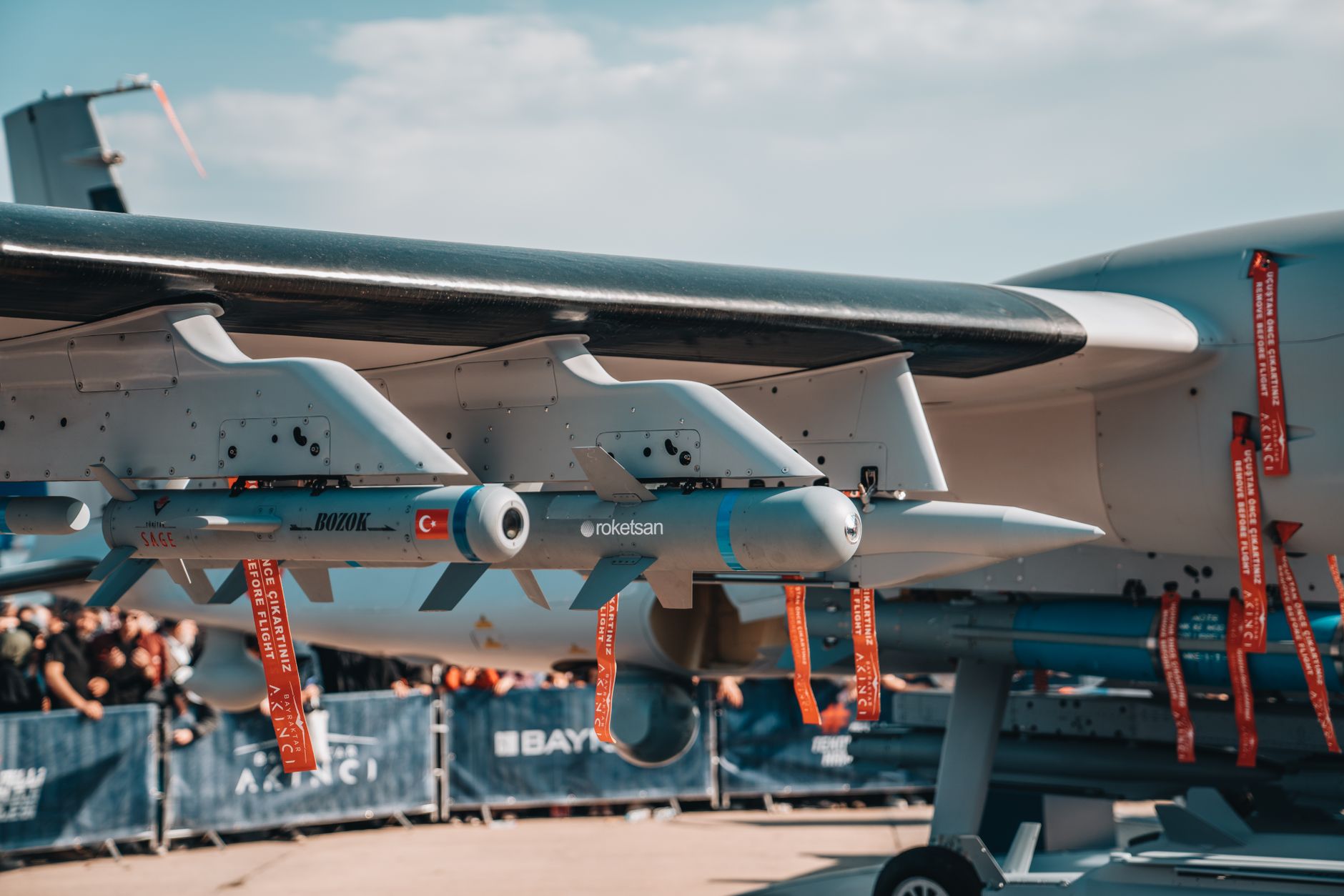
Operation Sindoor with ₹3,400 crore budget, including Six SCALP missiles, each costing one million US dollars, four BrahMos, each costing 25 crores, and the deployment of Rafale aircraft costed five hundred crores. Five days of operation. Why is the ₹50,000 crore increase in defense budget necessary due to this operation? What really concerns me is timing.
Two days after the incident, the Prime Minister didn't speak on Pahalgam attack from Delhi or Kashmir; he addressed from Madhubani, Bihar, where there were elections in October. In his last six minutes in the speech threatening terrorists went viral. It took 13 days after the attack for the missile strike.
Compare to Pulwama attack in 2019: CRPF personnel killed, elections coming up in two months' time, elections focused on security issues, and BJP won big in the election.
The southern states made an economic contribution of Rs 1,054 crore to the costs of the Sindoor attack (31% of GDP). The combined contribution of UP-Bihar was Rs 417 crore. We paid twice the amount for the operation that produced no political gains except through public meetings in Bihar. This imbalance highlights how southern revenue is continuously drained for northern electoral optics while local, foundational issues across the south are systematically ignored, explaining why agrarian communities like Andhra farmers are angry over neglected infrastructure and empty developmental pledges.
I am not saying that there were no grounds for initiating a military response. What I'm asking is why the response came at all despite the fact that intelligence failed to prevent it, security could not protect anyone, and no accountability was enforced. Why did Rs 3,400 crore buy missiles rather than explanations. And why the southern Indians who were victims had received no compensation and North Indian electorate speeches.
As quoted on August 2025, Chief of Defense Staff General Chauhan: "political objectives can be achieved through short duration conflicts." Political objectives. This is what he said quietly.
I know that terror exists. But I also know when military response turns into electoral propaganda worth Rs 3,400 crore. Those 26 families deserved more than to be mere pawns in someone else's political narrative. They deserved information, security, accountability for failure, and compensation for loss.
But they got Operation Sindoor instead-a clear indication that even in contemporary India, the country's most serious security threats can be used in an election story. The rockets were real, and so were their benefits to politics.