Solar panels are designed to produce clean energy for many years, but they eventually reach the end of their useful life. Panels may be removed because of age, storm damage, roof replacement, system upgrades, reduced efficiency, or large-scale solar farm repowering. When that happens, the way those panels are handled matters.
Two common end-of-life options are landfilling and recycling. While landfilling may seem like the quickest way to get rid of old panels, recycling offers a more responsible path that helps recover materials and reduce waste.
What Happens When Solar Panels Are Landfilled?
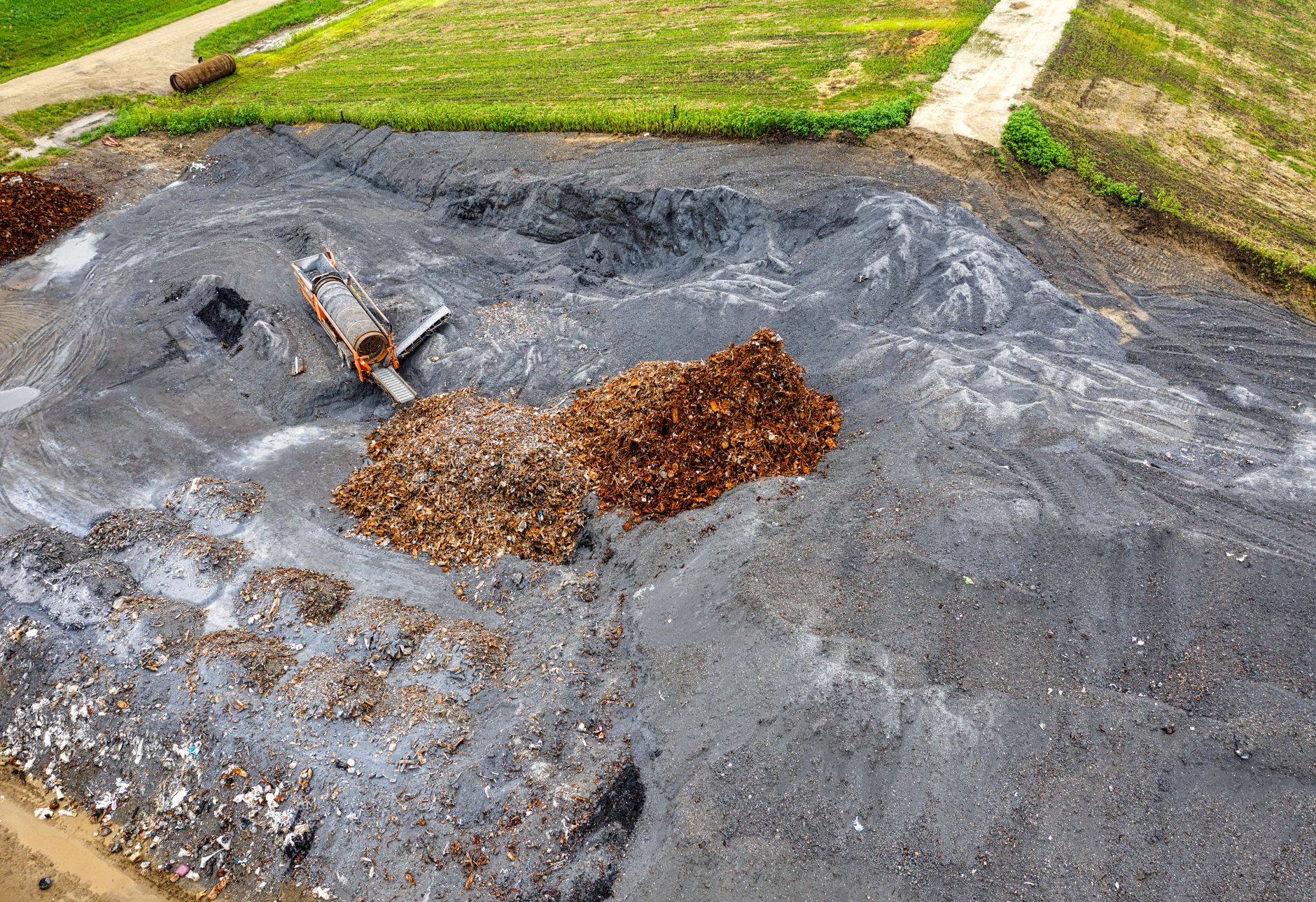
When solar panels are landfilled, they are treated as waste rather than as products with recoverable materials. The panels may be hauled away with construction debris, demolition material, or general waste and buried instead of being processed for reuse or material recovery.
This approach may remove panels from a property quickly, but it does not make use of the materials inside them. Solar panels often contain glass, aluminum, silicon, copper, wiring, plastics, and other components. When panels are buried, those materials are essentially lost.
Landfilling can also create long-term waste concerns as more solar systems reach retirement age. A few panels from a small roof may not seem like much, but commercial buildings, municipalities, utility projects, and solar farms can generate large volumes of panels during replacements or upgrades.
What Happens When Solar Panels Are Recycled?
When solar panels are recycled, they are handled as equipment with recoverable materials. The process usually begins with collection, sorting, and inspection. Panels may be separated by type, condition, and construction before moving into a recycling process.
During recycling, major materials such as glass, aluminum frames, wiring, and certain metals can be separated. Some processes may also recover silicon or other internal materials depending on the panel type and recycling method.
The goal is to keep useful materials in circulation instead of sending the entire panel into a landfill. Recycling does not mean every part of every panel becomes a new solar panel, but it does help reduce waste and recover materials that still have value.
Why Recycling Is the Better Long-Term Option
Recycling solar panels supports a more complete approach to clean energy. Solar power helps reduce reliance on traditional energy sources during operation, but responsible end-of-life management is also part of the bigger picture.
If panels are simply landfilled, the environmental benefit of solar energy is weakened by unnecessary waste. Recycling helps close the loop by giving old panels a better path after they stop producing electricity.
Recycling also helps reduce the need for new raw materials. Aluminum, glass, copper, and other materials require energy and resources to produce. Recovering them from old panels helps make better use of materials that have already been manufactured and installed.
Cost and Convenience Considerations
Landfilling may appear cheaper or easier at first, especially when panels are mixed into a larger cleanout or demolition project. However, that short-term convenience can come at the cost of wasted materials and added landfill volume.
Recycling may require more planning. Panels need to be removed carefully, stacked or stored properly, and kept separate from unrelated debris. Damaged panels may also need extra care because of broken glass, sharp edges, or exposed wiring.
Even with those steps, recycling is usually the more responsible option for anyone managing solar panels in bulk.
Final Thoughts
The difference between landfilling and recycling solar panels comes down to whether the panels are treated as waste or as material that still has value. Landfilling buries the panels and loses the glass, aluminum, silicon, copper, and other components inside them. Recycling gives those materials a chance to be recovered and reused in other manufacturing or material streams.
As more solar panels reach end of life, recycling will become an increasingly important part of responsible solar energy management. The best approach is simple: remove panels carefully, keep them organized, separate damaged units, and recycle them through the proper process instead of sending them straight to the landfill.