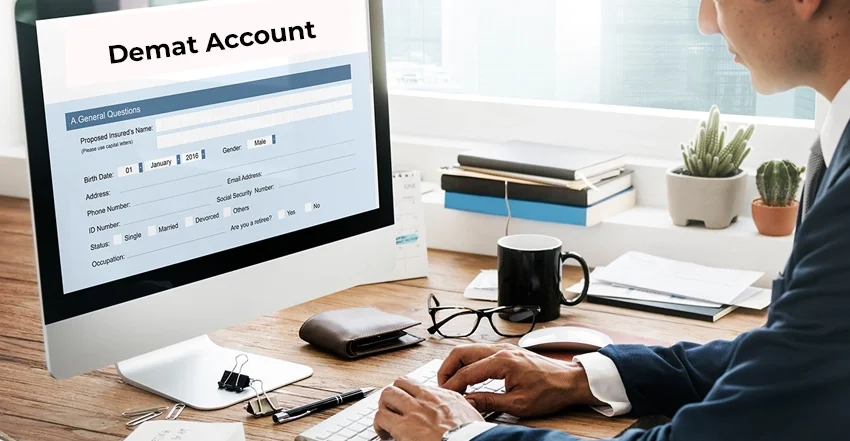
Millions of new investors have joined the Indian stock market through online methods, demonstrating the industry’s substantial democratization during the last ten years. The foundation of this investing journey is the demat account, a digital repository that maintains your shares in electronic form and eliminates the need for physical share certificates. This approach provides a seamless environment for participating in the Indian capital markets when paired with a trading account linked to mobile applications. Understanding how to properly setup a demat account can greatly enhance your investment experience and help you prevent problems down the road.
- Being aware of the Account Structure and Regulatory Framework
Before beginning the formalities of creating an account, learn about India’s two-tiered depositary system, which is overseen by SEBI. The Central Depository Services Limited (CDSL) and the National Securities Depository Limited (NSDL) are the cornerstones of India’s electronic securities infrastructure. The management of your demat account by authorized depository participants (DPs), typically banks or brokerages, is governed by this regulatory framework. This information makes it easy to understand the many roles that depositories, brokers, and trading platforms play in your investing ecosystem and the robust safeguards that are in place for your money.
- Compiling the Documentation Needed for KYC Compliance
The initial stage in the account opening process is fulfilling the Know Your Customer (KYC) requirements established by Indian regulatory agencies. Put together your proof of income, bank records, canceled check leaves, Aadhaar card, PAN card, and a recent, appropriately sized photo. Digital KYC processes have simplified verification, but accurate and comprehensive documentation is still necessary. Remember that this documentation is the foundation of your financial identity within the market ecosystem and has an impact on your trading capabilities, particularly with regard to sector access and trading limits.
- Choosing the Proper Brokerage Structure and Depository Participant
The depository participant you select has a significant impact on your long-term investing experience because of variations in pricing and service quality. Analyze the transaction fees, annual maintenance charges (AMC), and other service costs for each participant. Consider if you need a basic or premium account based on your expected trading volume and investing approach. Many traditional brokerages offer relationship manager assistance, but bargain brokers offer cost savings through self-service models. When making this decision, you should take into account both your preferred mode of service delivery and your financial circumstances.
- Finishing the Account Activation and Opening Processes
After selecting your depository participant, fill out the account opening form (AOF) online or by hand, following the provider’s instructions. The form must include personal data, bank account information, nomination information, and trade preferences. following verification, which typically occurs two to three business days following submission, you will receive your beneficial owner identification number (BO ID). Most platforms now integrate e-sign capabilities with Aadhaar-based authentication, which significantly expedites the process. To ensure you receive the required account alerts, confirm your contact details as soon as possible following activation.
- Connecting Trading Apps and Bank Accounts to Your Demat Account
Connecting your newly opened demat account to your bank account and preferred trading app is the final step in creating an integrated investment ecosystem. After downloading your preferred trading software, enter your login credentials. Link your demat account with your BO ID, then complete any additional security verification steps. To ensure seamless financial transactions, link your savings account using the correct UPI IDs and conditions. This three-way relationship between the bank account, trading platform, and demat account lays the groundwork for smooth investment transactions.
In conclusion
By creating a demat account and linking it to an online trading app, you can have access to India’s flourishing capital markets. This digital infrastructure has significantly reduced the barriers to market participation, allowing individuals from a variety of backgrounds to now hold stocks and build wealth. The process is logically designed to provide market ecosystem security, regulatory compliance, and smooth functioning, despite its initial complexity