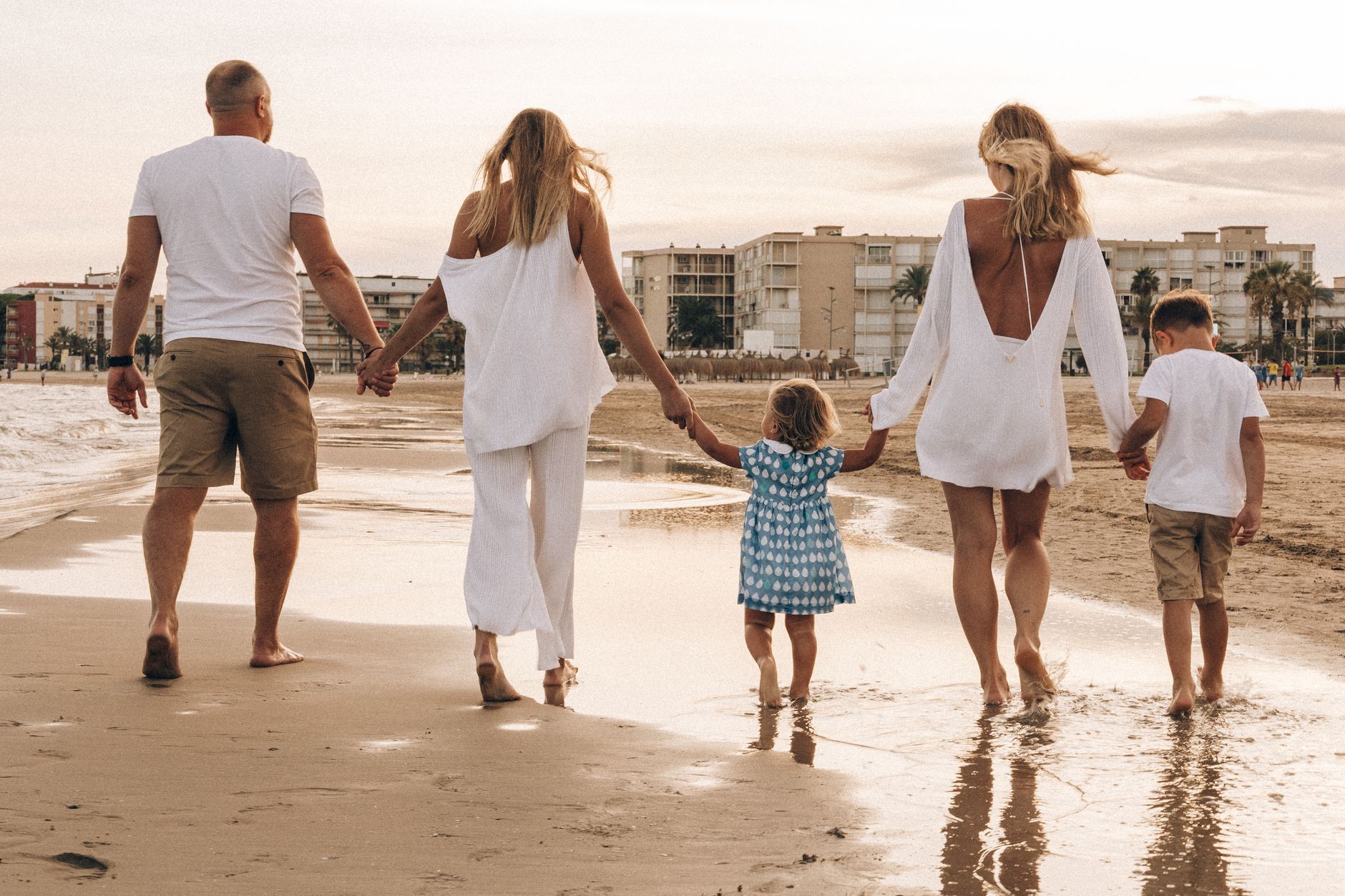
Some of the strongest family memories come from surprisingly ordinary moments. A meal cooked together, a yearly camping trip, pancakes on Saturday morning, or a familiar Christmas tradition can remain meaningful long after the day itself has passed.
Family traditions give people a sense of belonging. They create shared experiences that children can carry into adulthood and give couples something meaningful to build together. A tradition does not need to be expensive, complicated, or passed down through several generations. It can begin with one simple idea that your family decides is worth repeating.
The best traditions reflect the people involved. They make room for connection, enjoyment, faith, and a break from the usual demands of life.
Why Family Traditions Matter
Family life can become dominated by practical responsibilities. Parents work, children attend school, bills need to be paid, meals need to be prepared, and the house never seems to remain clean for very long.
Without some deliberate effort, family members can spend plenty of time near one another without sharing much meaningful time together.
Traditions interrupt that routine. They give everyone a reason to pause and participate in something familiar. Over time, the activity becomes connected to a feeling of home.
For children, traditions can provide stability when other parts of life are changing. Moving house, changing schools, welcoming a new sibling, or going through a difficult season can feel less unsettling when familiar family practices remain in place.
Adults benefit as well. A regular tradition can provide something enjoyable to anticipate and create opportunities for conversations that may not happen during a busy week.
Begin With Traditions You Already Have
Many families already have traditions without recognising them as such. You may order the same meal on Friday night, visit relatives during a particular holiday, make a certain birthday cake, or take a family photo in the same place each year.
Start by thinking about the activities your family naturally enjoys repeating. These are often easier to maintain than traditions created because they look impressive on social media.
Ask each family member what they look forward to most during the week, month, or year. Their answers may reveal that something you considered ordinary is already important to them.
A child may remember the evening walks you take after dinner. Your spouse may value the quiet breakfast you share before the rest of the household wakes up. These small moments can become meaningful traditions simply by protecting them and repeating them regularly.
Keep New Traditions Simple
A complicated tradition may be exciting the first time but difficult to continue. If it requires extensive planning, a large budget, or perfect weather, it may quickly disappear from the family calendar.
Simple traditions are usually more sustainable. They can include:
● Cooking one family recipe each month
● Having a board game night
● Visiting a favourite park on the first weekend of each season
● Letting each person choose a birthday meal
● Taking an annual family photo
● Volunteering together before Christmas
● Sharing one good thing from the day during dinner
● Going for a walk on Sunday afternoon
● Reading a particular story every Christmas Eve
The activity itself matters less than the fact that everyone recognises it as something the family does together.
Start with one tradition instead of introducing several at once. Give it time to become familiar. If everyone enjoys it, it will begin to feel natural rather than like another obligation.
Make Room for Both Sides of the Family
When two people build a life together, they bring different family histories with them. Each person may have strong feelings about how birthdays, holidays, religious occasions, and other important events should be celebrated.
One person may come from a family that gathers in a large group for every occasion. The other may prefer something quiet. One family may open presents on Christmas Eve, while the other waits until Christmas morning. Even decisions about food can carry emotional significance.
These differences do not have to become a competition. Couples can choose which traditions they want to continue, which ones they want to adjust, and which new ones they want to create together.
It helps to discuss these expectations well before an important occasion. Waiting until the day arrives can turn a small difference into an unnecessary argument.
Sometimes differences concerning family life reveal broader communication problems. Couples who want a clearer understanding of professional relationship support can read what marriage counseling is. However, many everyday disagreements can be prevented by talking openly about what each tradition means and finding a fair way to include both families.
Allow Traditions to Change Over Time
A tradition should serve the family, not control it. What works when children are young may no longer work when they become teenagers. A yearly trip may become too expensive, relatives may move away, or work schedules may make a particular date impossible.
Changing a tradition does not erase its meaning. It allows the tradition to grow with the family.
For example, a large annual holiday may become a smaller weekend away. A bedtime story may eventually become a monthly movie night. A family meal held every Sunday may shift to another day when adult children begin working weekends.
It can be helpful to keep the most meaningful part of the tradition while changing the details. If the real purpose is spending uninterrupted time together, the location or activity can change without losing what made the tradition special.
Families should also feel free to stop traditions that have become stressful. Continuing an activity purely out of obligation can create resentment and defeat its original purpose.
Include Traditions That Reflect Your Faith
For Christian families, traditions can provide a natural way to make faith part of everyday life. This does not require turning every family activity into a formal lesson.
Faith-based traditions might include praying together before a journey, reading the Christmas story, sharing gratitude at dinner, serving a local charity, attending church as a family, or choosing a Bible verse for the new year.
These practices help children see faith as something lived rather than something discussed only at church. They also give adults regular opportunities to slow down and remember the values they want their household to represent.
Consistency is more important than complexity. A brief prayer said regularly can have more lasting meaning than an ambitious activity that happens only once.
It is also worth explaining why the family follows a particular tradition. Children are more likely to value it when they understand the story or belief behind it.
Give Everyone a Role
Traditions are more enjoyable when family members participate instead of watching one person organise everything.
Young children can help decorate, choose music, stir ingredients, or set the table. Older children can plan an activity, select a destination, or take responsibility for photographs. Adults can divide the preparation so that one person is not left carrying all the work.
Giving everyone a role creates a sense of shared ownership. It also prevents traditions from becoming an exhausting performance managed by one family member.
Not every person will be enthusiastic about every activity. That is normal. The goal is not to force excitement but to create reasonable opportunities for everyone to contribute.
Occasionally, allow different family members to choose the tradition. One person might select the movie for family night, while another chooses the meal or weekend activity. This keeps the experience varied and ensures that quieter family members have a voice.
Protect the Time From Distractions
A family tradition loses some of its value when everyone is looking at a separate screen. Phones and other devices can be useful for taking photos or playing music, but they can also pull attention away from the people present.
Consider making certain activities phone-free. Devices can be placed in another room or kept in a basket during meals, games, or conversations.
This may feel uncomfortable initially, especially if everyone is used to checking messages constantly. After a while, the absence of interruptions can become one of the most appreciated parts of the tradition.
Protecting the time also means avoiding unnecessary scheduling conflicts. When a tradition is important, place it on the calendar and treat it like a genuine commitment. It does not have to take priority over every other responsibility, but it should not always be the first thing cancelled.
Record the Memories Without Missing the Moment
Photos and videos can preserve family memories, but documenting everything can become a distraction. Take a few photographs, then put the phone away and participate.
Families can create a simple album, scrapbook, memory box, or shared digital folder. Children may enjoy adding drawings, ticket stubs, handwritten notes, or short descriptions of their favourite part of an event.
Another option is to write one page at the end of each year describing the family’s main experiences. Over time, these pages become a record of how the household changed and what everyone valued during different seasons.
The goal is not to create a polished presentation. It is to preserve enough detail that the family can look back and remember the people, places, conversations, and small events that might otherwise be forgotten.
The Best Traditions Create a Sense of Home
Family traditions are not valuable because they are impressive. They matter because they communicate belonging.
They tell children that there are moments they can depend on. They give couples shared experiences beyond work and household responsibilities. They bring relatives together and help preserve stories, values, and faith across generations.
A meaningful tradition can begin at any time. Choose something simple, invite everyone to participate, and allow it to develop naturally. It may feel ordinary at first, but repetition gives it significance.
Years later, the details people remember may surprise you. It might not be the expensive holiday or perfectly planned celebration. It may be the meal everyone helped cook, the familiar joke told each year, or the quiet Sunday afternoon when the whole family was together.