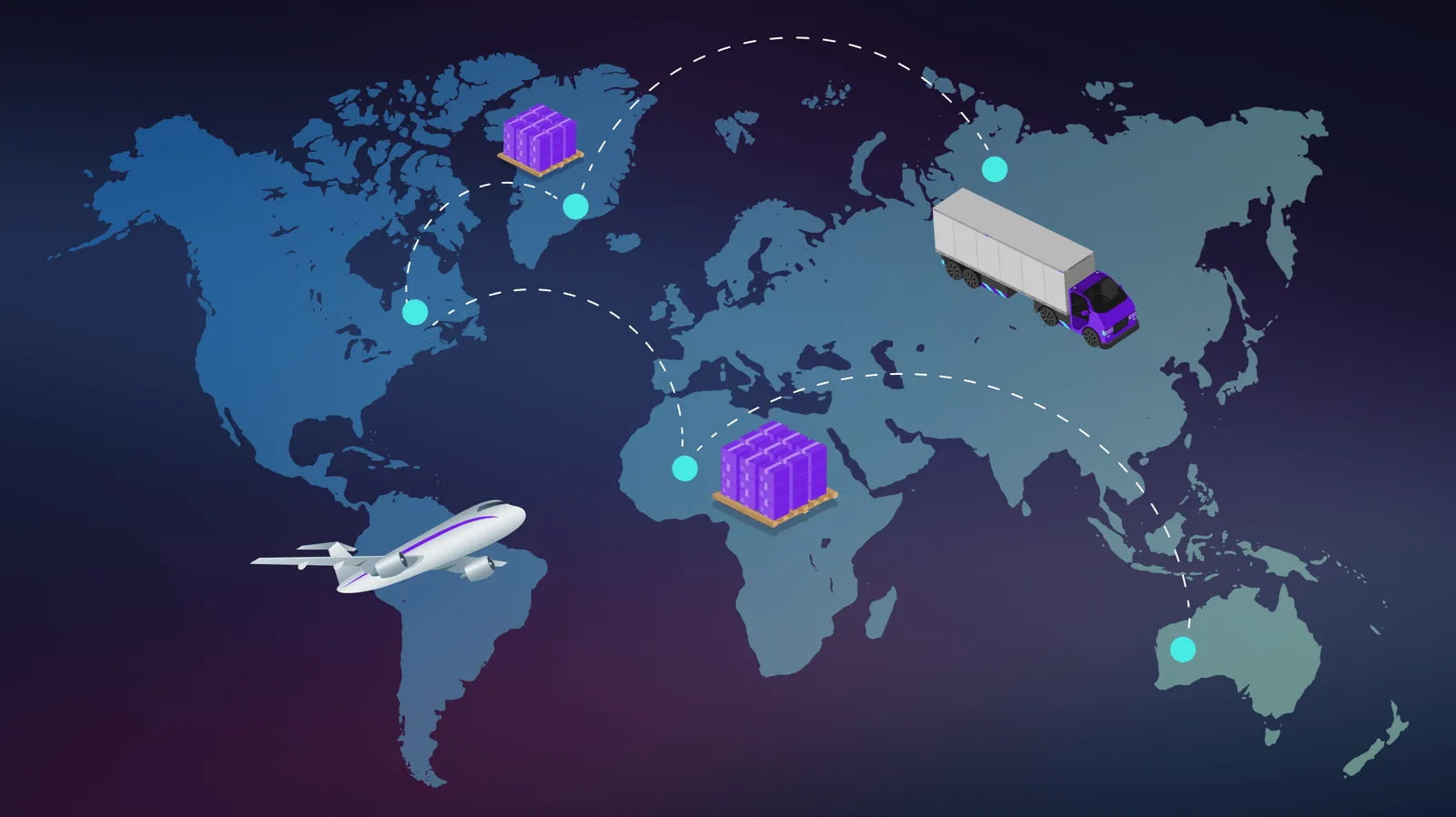
A typical bag can involve fabric suppliers, zipper and hardware manufacturers, packaging suppliers, bag factories, freight companies, warehouses, Brands, and retailers. Each stage affects the final cost, quality, lead time, and availability of the product.
Understanding how this supply chain works provides a useful example of how modern global manufacturing and logistics operate.
1. Where Does the Bag Supply Chain Begin?
The supply chain usually begins long before a bag enters a factory.
Market Demand and Product Design
Brands first identify a market opportunity and define what kind of product they want to develop. This may include:
· Target customers
· Product category
· Functions and features
· Materials
· Design and appearance
· Target cost
· Expected retail price
For example, a brand developing a new laptop backpack may need to determine the required laptop size, storage capacity, carrying comfort, materials, and target price before production begins.
Product Development and Sampling
Once the concept is established, the manufacturer work on product development.
The process may include:
Technical Design → Prototype → Sample → Revision → Final Sample
The manufacturer may create CAD drawings, select suitable materials, develop patterns, and produce samples for evaluation.
Sampling is particularly important because it allows potential problems with construction, dimensions, materials, or functionality to be identified before mass production begins.
2. What Materials Are Needed to Make a Bag?
A finished bag is usually the result of many different components coming together.
Fabrics
Common bag materials include:
· Polyester
· Nylon
· Canvas
· PU and synthetic leather
Different materials provide different levels of durability, appearance, weight, water resistance, and cost.
Accessories and Components
A bag may also require:
· Zippers
· Buckles
· Webbing
· Metal hardware
· Linings
· Foam and padding
· Labels
· Packaging materials
This means that bag manufacturing is not simply a matter of sewing fabric together. Manufacturers need to coordinate multiple materials and suppliers before production can begin.
For large orders, material availability and purchasing schedules can have a direct impact on production lead times.
3. What Role Does the Bag Manufacturer Play?
The bag manufacturer connects product development with mass production.
After the final sample is approved, the manufacturer typically prepares production instructions, purchases materials, and organizes the production process.
A typical manufacturing workflow may include:
Material Inspection → Cutting → Printing → Sewing & Assembly → Quality Control → Packing
Incoming Quality Control
Materials are inspected before entering production. Fabric, zippers, hardware, webbing, and other components need to meet the required specifications.
Cutting
Fabric is cut into different components according to the approved patterns.
Printing and Branding
Depending on the product, manufacturers may add screen printing, heat transfer, embroidery, woven labels, or other branding elements.
Sewing and Assembly
The individual components are gradually assembled into the finished bag.
Quality Control
Quality checks can take place at several stages rather than only at the end.
For example:
· IQC: Incoming Quality Control
· IPQC: In-Process Quality Control
· FQC: Final Quality Control
· OQC: Outgoing Quality Control
This multi-stage approach helps manufacturers identify problems earlier and reduce the risk of defective products reaching customers.
4. Why Does the Production Location Matter?
The location of a bag factory can affect much more than the manufacturing cost. It can influence material sourcing, production efficiency, product development, lead times, logistics, and exposure to trade policies.
China: A Mature and Highly Integrated Supply Chain
China remains an important manufacturing base for bags because of its well-developed industrial ecosystem.
Advantages include:
· A large and established network of fabric and accessory suppliers
· Strong production capabilities across different bag categories
· Greater access to specialized manufacturing processes
· Efficient sourcing of materials and components
· Strong product-development and sampling capabilities
· Experience with complex customization and large-scale production
These advantages can be particularly useful for products that require multiple materials, specialized construction, or frequent design changes.
Potential disadvantages include:
· Higher labor costs than some Southeast Asian manufacturing locations
· Greater exposure to certain trade tariffs and changing trade policies in some export markets
Vietnam: Growing Manufacturing Capacity with Different Trade Advantages
Vietnam has developed into an increasingly important manufacturing location for global brands, particularly for export-oriented production.
Advantages include:
· Competitive manufacturing costs in some product categories
· Growing capacity for large-scale bag production
· Increasing integration into global supply chains
· Trade agreements that can provide preferential access to certain markets when origin requirements are met
· An additional production base for brands seeking to diversify beyond China
However, Vietnam also has limitations.
Potential disadvantages include:
· A less extensive local supplier ecosystem than China’s
· Some materials and components may still need to be sourced from China or other countries
· Complex or highly customized products may require more coordination across the supply chain
· Production capacity and supplier availability can vary significantly between factories
The Key Is Matching the Location to the Product
There is no single production location that is ideal for every bag.
Ultimately, the right production location depends on the product, order volume, target market, cost structure, supply-chain requirements, and risk tolerance—not simply on which country has the lowest manufacturing cost.
5. How Does a Bag Move From the Factory to the Global Market?
Once production is completed, the supply chain moves from manufacturing to logistics.
A typical international process looks like this:
Factory → Port → Ocean Freight → Import → Distribution Center → Retail / E-commerce → Customer
Factory and Warehousing
Finished bags are inspected, packed, and prepared for shipment. Depending on the order and distribution model, products may be temporarily stored at a factory or warehouse.
International Shipping
For large-volume orders, ocean freight is commonly used because it can transport large quantities at a lower cost per unit than air freight.
The shipment then arrives at the destination country, where it goes through import procedures and customs clearance.
Distribution
After importation, the products may be transported to a distribution center or regional warehouse.
From there, bags can be supplied to:
· Retail stores
· E-commerce warehouses
· Distributors
· Wholesalers
· Direct customers
The final stage of the supply chain is when the product reaches the consumer.
6. What Challenges Does the Global Bag Supply Chain Face?
Global bag supply chains face many of the same challenges found in other manufacturing industries.
Raw Material Price Fluctuations
Changes in the prices of fabrics, metals, plastics, and other materials can affect manufacturing costs.
For brands working with fixed product prices, unexpected material cost increases can put pressure on margins.
Production Lead Times
Production depends on the availability of materials, factory capacity, production schedules, and quality requirements.
If one critical component arrives late, the entire production schedule may be affected.
Quality Control
A supply chain involving multiple suppliers and production stages creates more opportunities for inconsistencies.
Clear specifications, inspections, approved samples, and standardized quality procedures can help maintain product consistency.
Logistics Disruptions
International shipping can be affected by port congestion, vessel schedules, weather, customs procedures, and other disruptions.
For brands selling in multiple countries, transportation delays can also affect inventory availability.
MOQ and Inventory Management
Manufacturers often establish minimum order quantities (MOQs) because purchasing materials and setting up production lines involve fixed costs.
At the same time, ordering too much inventory can tie up capital and increase storage costs.
Finding the right balance between order quantity, production cost, and inventory levels is therefore an important part of supply-chain management.
7. Why Are More Brands Using Multi-Region Supply Chains?
For many global brands, relying entirely on one production location can create additional supply-chain risks.
A multi-region strategy allows production to be distributed across different locations according to product requirements, capacity, market needs, and other business considerations.
For example, a company may use one location for product development and complex customization while using another location for large-scale production.
This approach can provide several potential advantages:
· Greater production flexibility
· Reduced dependence on one manufacturing location
· Additional capacity during peak seasons
· More options for international distribution
· Greater ability to respond to changes in trade conditions
However, a multi-region supply chain also requires more coordination.
Brands need to maintain consistent product specifications, quality standards, production schedules, and communication across different locations.
In other words, diversification does not eliminate supply-chain complexity. It changes how that complexity is managed.
Conclusion: A Bag Is More Than a Finished Product
A finished bag is the visible result of a much larger global system.
Behind a single backpack, handbag, or travel bag may be a network of material suppliers, manufacturers, quality-control teams, logistics providers, warehouses, distributors, and retailers working together.
From the first product concept to the final customer, every stage can influence cost, quality, lead time, and supply-chain reliability.
For brands operating in international markets, understanding this entire process can help them make better decisions about sourcing, production, inventory, and logistics.
Ultimately, successful global bag supply chains are not simply about producing products at the lowest possible cost. They are about coordinating multiple stages efficiently while maintaining the right balance between cost, quality, speed, flexibility, and risk.