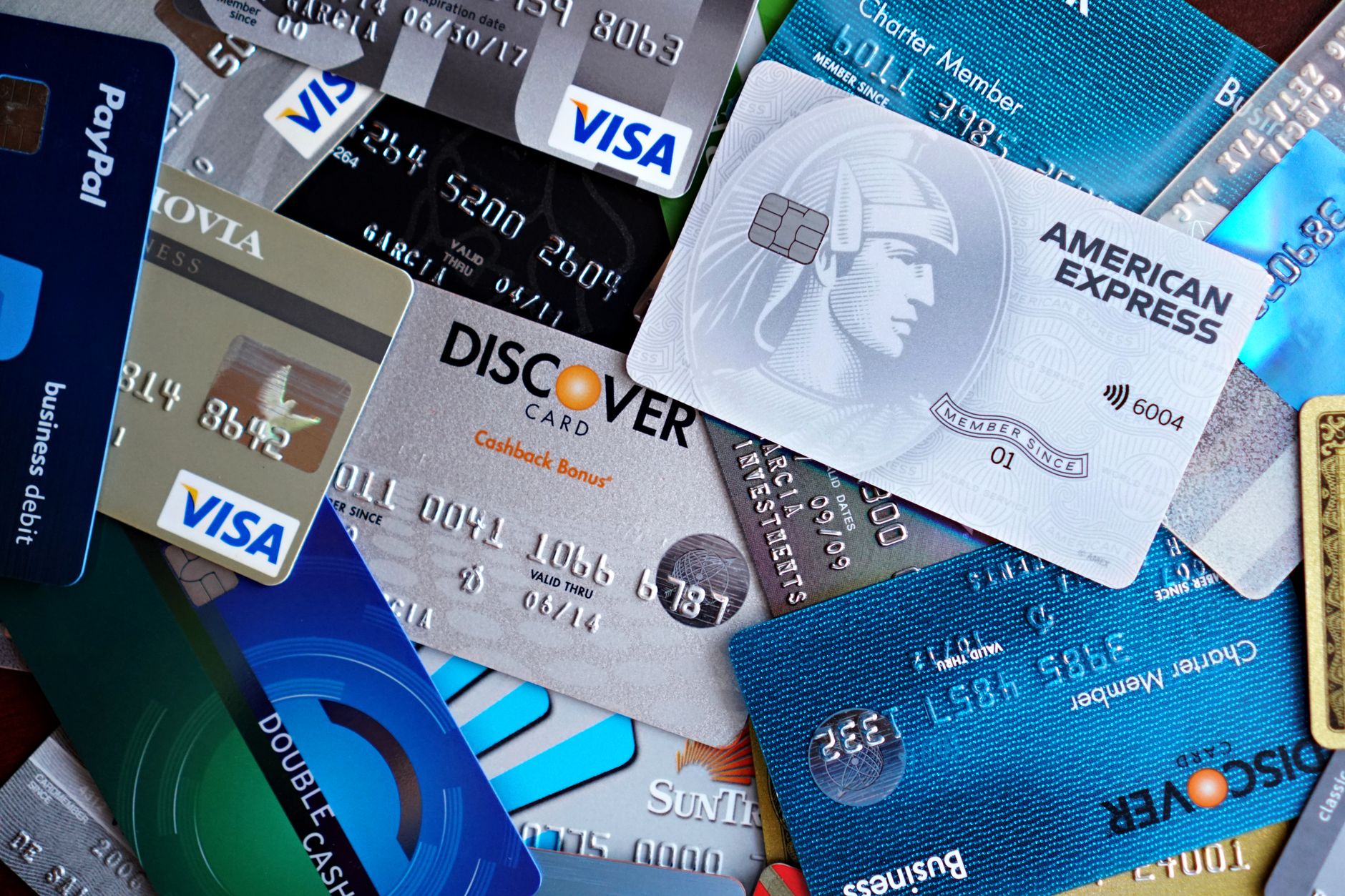
Having "no credit" can feel like a problem you just cannot win. Banks will not lend you money if you do not have a credit history, but you cannot show a credit past unless someone first gives you that chance. This "thin file" hurdle makes it hard for many young people and those who are new to credit every year. A lot of people do not get the right help. Many end up applying for cards that are hard to get, which puts hard inquiries on their record and sets them back even more. Making a strong credit record does not mean you need to take on big risks or lots of debt. Instead, you need to give credit bureaus good information about you using simple tools you can get.
MoneyFAQ.com shows you plain and easy steps, so you can see your way through the credit system without worry or stress. This guide gives a clear plan for how to go from having no credit to getting the best cards within one year.
Step 1: Establish Initial Entry-Level Tradelines
To start building credit, open a starter option made for people with little credit. Some good choices are a secured credit card, a credit-builder loan, or becoming an authorized user on someone else’s card.
Most regular credit cards need you to have a credit history. But beginner-friendly products are made for people who do not have a credit score yet.
Essential Habits for Starter Accounts
- Keep credit utilization low: Try to use less than 10% of your credit limit every month. For example, spend under $20 if your card deposit is $200.
- Pay the full statement balance: Always pay everything you owe before the due date. This helps you build a record of paying on time and stops you from getting interest charges.
Step 2: Add Non-Traditional Credit Reporting
Try rent-reporting services and tracking tools for your home bills. This can help turn what you pay for things like rent, power, and phone each time into entries on your credit report.
Landlords and companies that provide gas, water, or electricity do not usually tell the big credit bureaus about your monthly payments unless you don't pay them. Experian Boost and some other rent reporting services let you add the bills you pay every month to your credit file.
- Rent reporting: Services like Boom, Rental Kharma, or Esusu check if you pay rent every month and add them as open tradelines.
- Utility & phone bills: When you link your bank, the payments you make for utilities, phone, and streaming can help your Experian file look better.
Step 3: Upgrade to Unsecured Cards (Months 7–12)
After you make payments on time for 6 to 12 months, you can apply for a regular unsecured credit card. You can also ask your secured card provider if they will upgrade your card.
Lenders look at your credit record after you use it for six months in a row. The FICO scoring system needs at least six months of your credit use to make an official score.
Tips for a Successful Unsecured Card Application
- Request an account graduation: See if your secured card company has ways to get your deposit back. You can also ask if you can move your card to one that is unsecured.
- Target beginner unsecured cards: Find student cards or cash-back credit cards made for people who have fair or growing credit.
- Space out applications: Put in just one credit application every six months. This will help lower the number of hard checks that show up on your credit report.
Common Pitfalls to Avoid When Building Credit
Avoid getting many cards at the same time. Do not keep a balance on your credit card just to "build credit." Also, do not close your first starter card when you get an upgrade.
- Carrying a balance: If you keep a balance on your credit card each month, this will not help build your credit faster. It just makes you pay more in interest.
- Closing starter accounts: If you close your first credit card, your average account age goes down, and your credit limit gets lower. It is better to keep it open and use it for small, regular things.
- Applying for luxury or store cards: Store credit cards often have high interest rates and low limits. Premium cards with good rewards need you to have a credit score over 720.
Conclusion
Moving from a thin file to a strong credit record is something you can do when you follow the right steps. Use beginner tools, keep the amount you use on your card low, set up automatic bill payments to make sure you pay on time, and do not fill out more credit forms than you need. This helps you build a good start for the best credit cards and loans. MoneyFAQ.com has more help and tools for you to build credit, handle debt, and plan your money.
Frequently Asked Questions
How long does it take to get a credit score if you have no credit?
It takes six months for FICO to use your payment history from at least one account and make your first credit score. VantageScore can often make your score in about 30 to 60 days.
What is the minimum credit score needed for an unsecured card?
Most premium rewards cards need you to have a score of 700 or more. But you can still get entry-level unsecured cards if your score is between 580 and 669. These cards require you to have a clean payment history.
Will getting a secured credit card build credit as well as an unsecured card?
Yes. The big credit bureaus look at both secured and unsecured credit cards in the same way. The scoring systems see a $200 secured card as working just like a $10,000 unsecured card.