In the escalating race for data-driven decision-making, access to reliable and affordable tools has never been more crucial. As the complexity of websites increases and anti-bot mechanisms grow more sophisticated, the cost of maintaining robust web scraping infrastructure can quickly spiral. For startups, independent developers, and smaller research teams, the ability to collect meaningful data at scale often comes with a hefty price tag.
However, the landscape is shifting. Tools like Oculus Shared Datacenter Proxies are leveling the playing field by offering access to powerful infrastructure built around a simple premise: performance without the premium price. Their model utilizes cheap shared proxies to allow users to run large-scale data-gathering operations at a significantly reduced cost—without compromising essential functionality.
The Rise of Affordable Data Scraping
Once reserved for major enterprises and digital marketing giants, web scraping is now a critical tool across industries. From tracking competitors in e-commerce to compiling public records for academic research, scraping has become indispensable. Yet, the infrastructure needed to scrape data at scale—high-quality proxies for rotating IP addresses, device fingerprint obfuscation, and CAPTCHA workarounds—can price out smaller players.
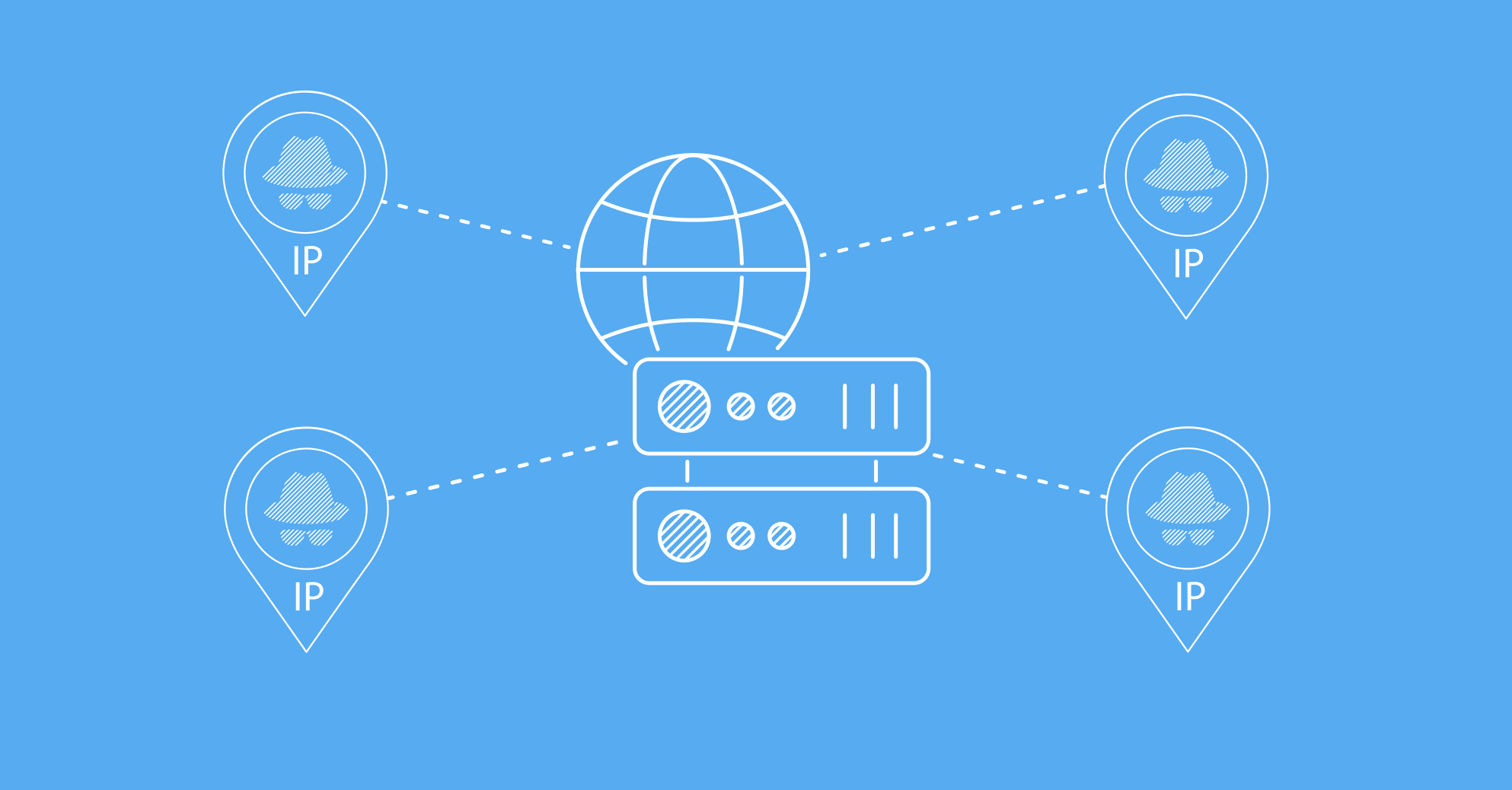
This is where shared datacenter proxies come in. Unlike dedicated or residential proxies, shared proxies are accessible to multiple users at once. This multi-tenant model significantly reduces operational costs, delivering scalable access to proxy pools without incurring soaring fees. While they may lack the “human-like” authenticity of residential IPs, shared proxies maintain high speeds and acceptable success rates—making them an excellent choice for cost-conscious users.
Oculus, a proxy provider known for its performance and reliability, has become a top pick in this space. Their shared datacenter proxies provide fast, rotating IPs at scale, with features optimized for efficient and ethical scraping.
Why Shared Proxies Are Gaining Ground
The market for proxy services is thriving. Valued at $5.38 billion in 2022 and projected to reach nearly $10 billion by 2027, according to MarketsandMarkets, proxies have become central to modern data acquisition strategies. Shared proxies, in particular, are experiencing a surge in demand—fueled by the need for affordable scraping solutions among small-to-medium businesses.
A 2023 report from Proxyway revealed that nearly half of scraping tools priced under $100 per month relied on shared datacenter proxies. This popularity stems from their affordability: shared IPs typically cost between $0.20 and $0.35 per IP monthly, compared to more than $2.00 per IP for residential proxies.
Oculus sets itself apart by offering 99.9% uptime and automatic IP rotation every 30 minutes. These features help users avoid detection and blocking, ensuring continuous access to essential data sources without constant manual intervention.
Real Use Cases with Tangible Benefits
Recent case studies underscore the value of affordable proxies. In late 2023, a European e-commerce startup swapped its static residential proxies for Oculus shared datacenter proxies to track competitor pricing across 150 major websites. The results were significant: an 82% reduction in scraping costs, with a consistent success rate in data retrieval.
Likewise, a global open data non-profit used Oculus proxies in early 2024 to process over 25 million HTTP requests per week. Operating at a 94% success rate, the organization sustained high-volume data collection without exceeding budgetary constraints.
These examples demonstrate the practical advantages of shared proxies, helping users scale operations without taking on the high costs traditionally associated with robust scraping tools.
Technical Features That Add Value
Oculus incorporates multiple technical features designed to support modern scraping workflows. From built-in IP rotation to RESTful API support, its infrastructure integrates easily with both custom systems and no-code/low-code platforms like Zapier and Retool. This flexibility ensures that data automation setups, regardless of complexity, can be scaled without friction.
The platform also includes CAPTCHA-solving capabilities and emphasizes ethical scraping practices through user guidelines. Real-time IP refreshing reduces the likelihood of bans, a common hurdle when using shared IPs for frequent requests.
Of course, shared datacenter proxies have inherent limitations. They often perform poorly on highly secure platforms such as Google or LinkedIn, where datacenter IPs are closely monitored and frequently blocked. There are also constraints on geo-targeting, and bandwidth may fluctuate during peak usage. Even so, for tasks such as product intelligence gathering, SERP monitoring, and keyword tracking, these proxies offer a cost-efficient solution without major trade-offs.
Where the Market Is Heading
The proxy services sector is evolving toward greater accessibility. With technologies like headless browsers and automation frameworks such as Puppeteer disrupting traditional methods, the demand for high-volume, affordable proxies continues to grow.
Oculus is actively investing in features like real-time IP health scoring and improved compliance monitoring, aiming to sustain its platform’s performance in a shifting, often restrictive data environment. These innovations will play a critical role in supporting efficient, scalable, and ethical scraping practices for businesses of all sizes.
Final Thoughts: Data for the Many, Not Just the Few
Web scraping should not be an exclusive advantage reserved only for large enterprises. With cost-effective solutions like Oculus Shared Datacenter Proxies, smaller teams and solo developers now have the tools to engage in high-volume scraping without breaking their budgets.
By combining speed, reliability, and affordability, Oculus isn’t simply offering an alternative—it’s helping to redefine who has access to valuable web data in a digital-first economy.