
If you’ve ever watched Aviator and thought, “I just need the right moment to cash out,” you’re not alone. That’s exactly the itch an ai aviator predictor tries to scratch—tools that claim they can spot patterns, read the game, and nudge you toward better exits. You’ll see them everywhere: apps, Telegram “signals,” dashboards, even shady downloads dressed up like something from a tech lab.
Here’s the straight talk. Aviator is built to feel predictable because the multiplier climbs in front of your eyes. But that “visibility” isn’t the same as control. What’s technically realistic is using data to reinforce discipline: pre-planned exit targets, bankroll rules, and avoiding emotional decisions. What’s mostly marketing hype is anyone claiming they can consistently forecast the exact crash point—especially with loud bragging like “95–99% accuracy” and zero proof.
And if you’re browsing casinos where Aviator is available—say you’re checking out tez888 aviator—your best edge won’t come from magic software. It comes from calm mechanics: small stakes while learning, strict limits, and treating “signals” as noise unless they help you follow a plan.
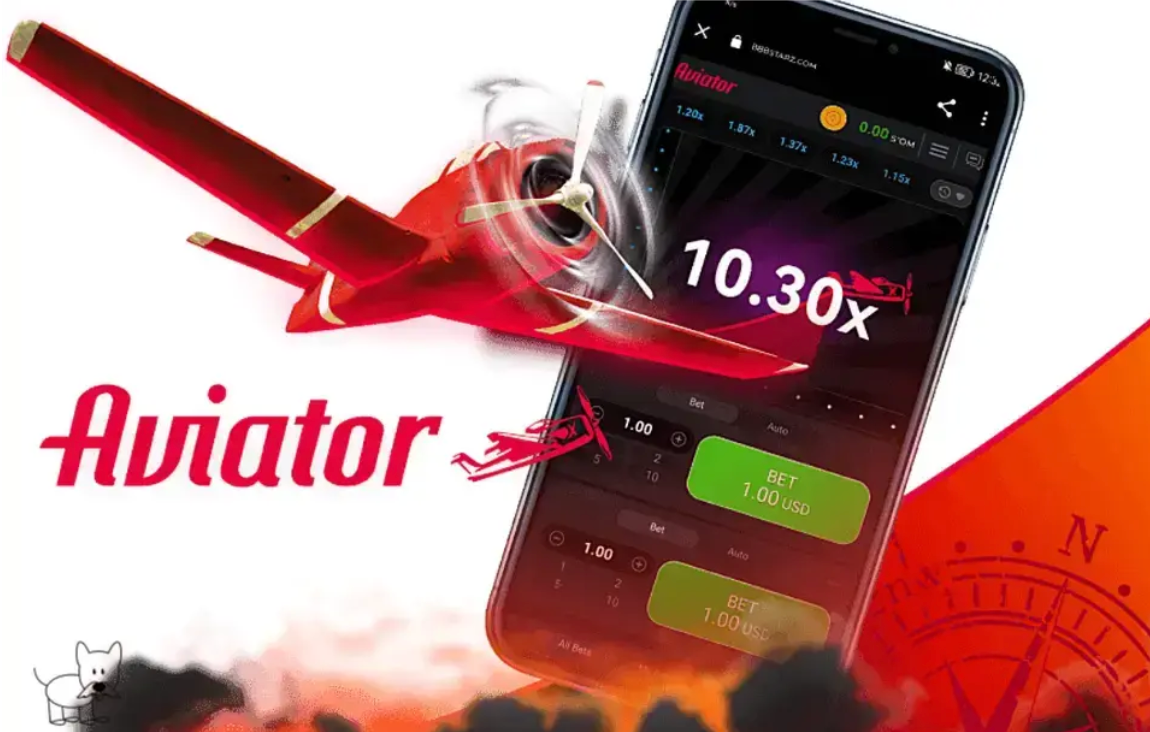
What Is an AI Aviator Predictor?
Definition in simple terms
An AI Aviator predictor is any tool that claims to “help predict” the next rounds of Aviator. The packaging changes, but the cast is familiar:
- Predictor apps (sometimes listed as “free,” sometimes pushing “premium” upgrades)
- Telegram bots and “signal” channels that ping you with suggested multipliers
- Web dashboards showing recent multipliers and “probabilities”
- APK tools you download outside official stores (the riskiest bunch)
Most of these tools are built around one idea: look at past multipliers, label what’s happening (low streak, high streak, “volatile period”), then suggest an exit point. Some go further and bundle bankroll rules—when to raise, when to lower, when to pause—wrapped in shiny “machine learning” wording.
The promise: confidence, timing, and “optimal cash-out”
Aviator is a psychological test wearing a pilot’s jacket. The plane climbs, the multiplier rises, and you’re thinking, “Just a bit more… just a bit more…” Then bam—crash—and you’re left staring at the screen like you’ve conceded a goal in stoppage time.
That’s why predictors sell so well. The game’s core mechanic—cash out before crash—makes prediction seem plausible. You’re not guessing a hidden card; you’re watching a number climb in real time. So when a tool says, “Exit at x1.90” or “High chance of x2.0+,” it feels like coaching. Like someone’s on the sideline giving you a plan.
But here’s the catch: a plan can help your discipline. It doesn’t mean it can control the result.
How Aviator Actually Works
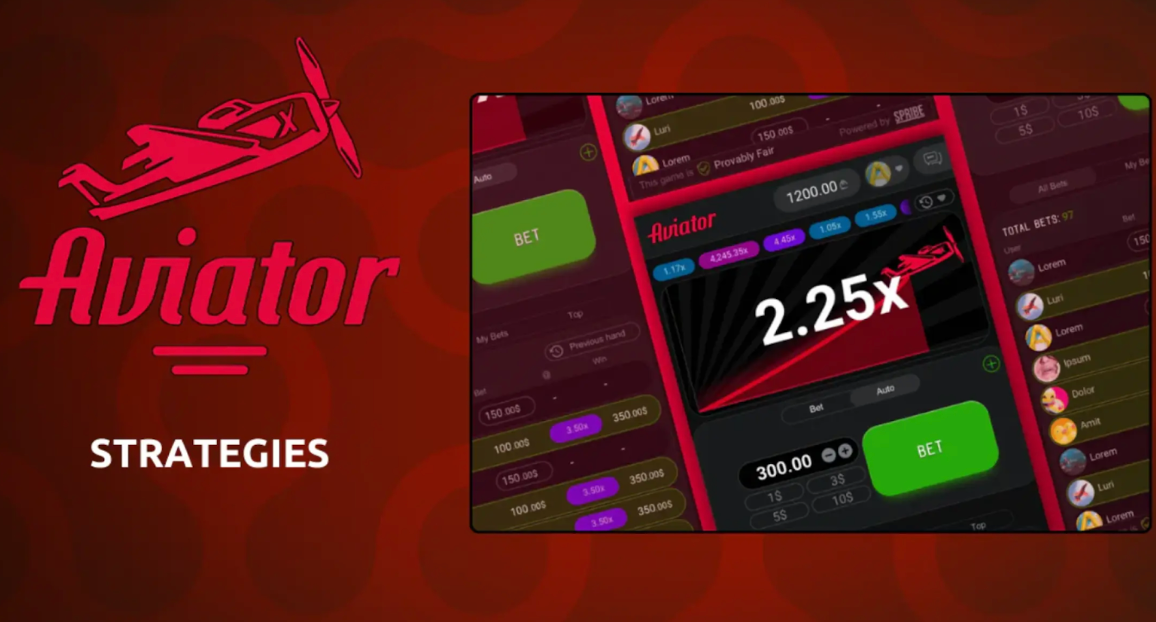
Crash-game recap (bet → multiplier rises → cash-out or lose)
Aviator is simple on the surface:
- You place a bet.
- The multiplier starts climbing.
- You cash out whenever you want.
- If the plane crashes before you cash out, you lose that bet.
That simplicity is exactly why it’s addictive. Decisions are fast, feedback is instant, and every round whispers, “You’ll get it right next time.”
RNG and Provably Fair explained without math
Now for the part that matters. In standard Aviator-style crash games, outcomes are generated by a random number generator (RNG) and often backed by Provably Fair verification. That combination is designed to keep results unpredictable and auditable—meaning the round outcome isn’t supposed to be influenced by the last round, your bet size, or a “hot streak” you think you’ve spotted.
So when someone claims “history analysis” can reliably map the next crash point, that’s a red flag. Not because data is useless—but because certainty is the giveaway. The best you can do is manage your decisions around risk, not rewrite the next multiplier.
If a site or bot leans hard on “guaranteed signals,” it’s usually selling confidence, not accuracy. And confidence without evidence is how bankrolls get folded like cheap lawn chairs.
How to Predict Aviator Signal Claims Usually Work

If you’re searching for how to predict aviator signal, you’ll quickly find a parade of bots, apps, and “AI dashboards” that promise the same thing: a warning before the crash, or a green light when a bigger multiplier is “due.” Sounds brilliant. In practice, most of these are trend labels and guesswork dressed in a lab coat.
What “signals” typically show
Most signals are framed like this:
- “High chance of early crash” (so take a low exit)
- “Chance of 2.0x+” (so be patient)
- Suggested exits like x1.70–x2.00 (sometimes higher, if they’re feeling bold)
They often show recent history (last 20–50 rounds), highlight streaks of low multipliers, and then push a recommendation. Some even add casino-specific language—India, Kenya, Ghana, Pakakumi—like they’ve got inside access. Usually it’s just marketing flavour.
What’s happening under the hood (most common models)
Behind the curtain, the common “brains” are:
- Trend labeling: “Lots of low multipliers lately” becomes “high multiplier incoming.”
- Volatility labeling: the tool decides the session feels “wild” or “calm” and adjusts exit advice.
- Simple heuristics: fixed rules like “after several low rounds, aim for x2.0.”
- Bankroll rules packaged as ‘AI’: “after 3 losses, reduce bet” or “after wins, increase slightly.”
None of that is automatically evil. Bankroll discipline is actually useful. The problem is when it’s sold as “prediction,” especially paired with big accuracy numbers and zero transparency.
And a special warning for anything that pushes you to install an APK, input personal details, or generate a “special ID” linked to your casino account: that’s not “advanced analytics,” that’s a potential headache—data theft, malware, and sometimes account bans if the platform sees it as cheating software.
Why they sometimes look “weirdly accurate”
Even a broken clock gets to act smug twice a day. These tools can look sharp because of:
- Variance: random sequences naturally produce clusters—highs and lows.
- Selective memory: people remember the one big hit and forget the eight quiet misses.
- Illusion of control: the game feels skill-based because you choose when to exit.
So yes, a signal might call a nice round now and then. That doesn’t prove it can do it consistently. Long-term reliability is the test—and most “predictors” either avoid that test or hide behind excuses like “high volatility, try again.”
In short: signals can help you follow a plan, but they can’t safely promise the future. Treat them like a training cone, not a trophy.
What AI/Analytics Can Help With
Discipline and exit planning
If you want something that actually improves your play, start here: discipline beats “downloads.” The smartest use of analytics isn’t fortune-telling—it’s decision control. You pick an exit point before emotions start yelling from the stands.
Pre-committing to an exit does two things. First, it reduces that classic “one more second” impulse. Second, it turns Aviator into something closer to a routine: you’re following a plan, not chasing a miracle. Whether your exit is conservative (say, low multipliers) or a bit bolder, the value is in consistency—because panic and greed are the two defenders you never dribble past.
Risk management and session structure
Aviator doesn’t punish optimism. It punishes sloppiness. So treat your session like a match: kickoff, game plan, final whistle.
- Small stakes testing: if you’re trying any new approach, do it with minimal money first.
- Stop-loss: decide what you can afford to lose before you start. When it’s gone, you’re done.
- Time limits: a session that stretches too long turns into emotional gambling, and emotional gambling is basically playing without a goalkeeper.
Volatility tracking (as an assumption, not a prophecy)
Some tools label “volatility” based on recent multipliers. Fine—useful as a mood check, not a crystal ball. A stretch of low results can tempt people into thinking a big one is “owed.” That’s not math. That’s a trap wearing a suit.
Volatility tracking can help you decide whether to play tighter or take a break. What it cannot do is guarantee the next round is “safe.” If someone sells it like certainty, they’re selling theatre.
Red Flags, Scams, and Platform Risks
Security risks
Let’s not dance around it: a lot of predictor ecosystems are a playground for scammers. The biggest danger isn’t losing a round—it’s losing your data.
Watch out for:
- APKs from random sites (malware risk is real)
- “Premium” apps that demand payment, then hide behind excuses when they fail
- Requests for personal details, device permissions, or some “special ID” tied to your casino account
If a tool needs more access than a banking app, walk away. That’s not “AI.” That’s an open door.
Account risks
Even in places where such tools aren’t explicitly illegal, platforms often treat third-party assistance as a breach of fair-play rules. Result? Suspensions, restrictions, sometimes even funds locked while they “investigate.”
If you’re using anything that auto-bets, injects overlays in the browser, or claims to “sync” with the game—don’t be surprised if the platform takes a hard line. Casinos don’t like anything that smells like system-gaming, even if it’s just smoke.
Marketing tells
This is how you spot fantasy:
- “99% guaranteed accuracy”
- “Works on every casino”
- “No losses if you follow signals”
- Zero explanation, zero proof, just big numbers and bigger confidence
Real analytics talks about limits. Scams talk about certainty.
Table — Predictor Types vs Reality Check
| Tool type | What it claims | What it usually does | Main risk | Best use (if any) |
| Telegram/WhatsApp “signals” | Predict next multiplier | Sends heuristic “alerts” | Scams, manipulation | None (treat as entertainment) |
| APK “AI predictor” | Real-time crash prediction | Often fake / malware / generic tips | Data theft, device risk | Avoid |
| Web predictor dashboard | Trend + “probabilities” | Volatility/trend labeling | Overconfidence | Use only to enforce discipline |
| “Bet calculator” | Accurate future odds | Math on past data | Misuse of stats | Bankroll planning (not prediction) |
Practical, Safer “Aviator Tricks to Win”
Here’s the honest bit about aviator tricks to win: the “tricks” aren’t secret codes. They’re boring fundamentals—like defending properly or keeping your shape. Not glamorous, but it keeps you in the game.
Core principles that actually matter
- Choose exit ranges you can stick to.
- Be consistent across sessions.
- Use bankroll rules like they’re non-negotiable.
- Train in demo mode before staking real money—learn the rhythm without paying tuition fees.
Bankroll & discipline checklist (List #1):
- Set a session budget (money and time)
- Choose a default exit target (example ranges you can repeat)
- Use a stop-loss and a stop-win
- Never chase losses
- Track results across 50–100 rounds, not 5
Strategy examples (presented as “risk styles,” not guarantees)
Think of these as playing styles, not magic spells:
- Conservative: frequent low exits; smaller wins, more rhythm, fewer emotional swings.
- Moderate: mix low exits with occasional bigger attempts; requires discipline not to drift into chaos.
- High risk: rare hunts for big multipliers; strict limits or you’ll get punished fast.
Common mistakes that predictors amplify (List #2):
- Believing streaks “must” reverse (gambler’s fallacy)
- Increasing stakes after losses to “recover fast”
- Treating signals as certainty
- Ignoring ToS and security warnings
- Confusing short-term luck with a working method
How to Evaluate Any AI Aviator Predictor Claim
Evidence checklist
Before you trust anything, run the basics:
- Does it explain methodology beyond buzzwords?
- Does it publish long-run results including losses, not just wins?
- Does it require downloads/permissions/payment upfront?
- Does it admit limits (randomness, no guarantees)?
If it can’t answer those cleanly, it’s not a tool—it’s an advert.
Responsible Play Note
Aviator is chance-based. Tools might help structure your decisions, but they don’t beat randomness. Treat it as entertainment, set limits, and keep your head—because the moment you start “needing” a win, you’ve already lost control.
FAQ
What is an AI aviator predictor and what does it actually do?
Most of the time it labels trends or “volatility,” suggests exit points, and packages bankroll rules as smart guidance. It may help discipline, but it doesn’t reliably foresee the next crash.
How to predict aviator signal—is it possible to do reliably?
Not in a consistent, provable way. Signals are usually heuristic alerts and pattern guesses. They can look good briefly because random sequences sometimes cooperate.
Are Aviator predictor apps legal, and can they get my account banned?
Legality varies by region, but many platforms prohibit third-party tools in their terms. Using them can lead to suspension or restrictions depending on the operator.
Why do some predictors appear accurate for a few rounds and then fail?
Variance and selective memory. A couple of hits can feel like proof, but over many rounds the “edge” often disappears—or was never real.
What’s the safest way to improve results without using prediction tools?
Use small stakes for testing, apply strict stop-loss/time limits, pick repeatable exit targets, and practice in demo mode to build discipline.
Do “provably fair” crash games make prediction impossible?
They make reliable crash-point prediction extremely unlikely because results are designed to be independent and verifiable, not “learnable” from past outcomes.
Should I trust APK downloads or Telegram bots offering “99% accuracy”?
No. High accuracy guarantees without transparent proof are classic red flags—and APKs from unknown sources add real device and data risks.