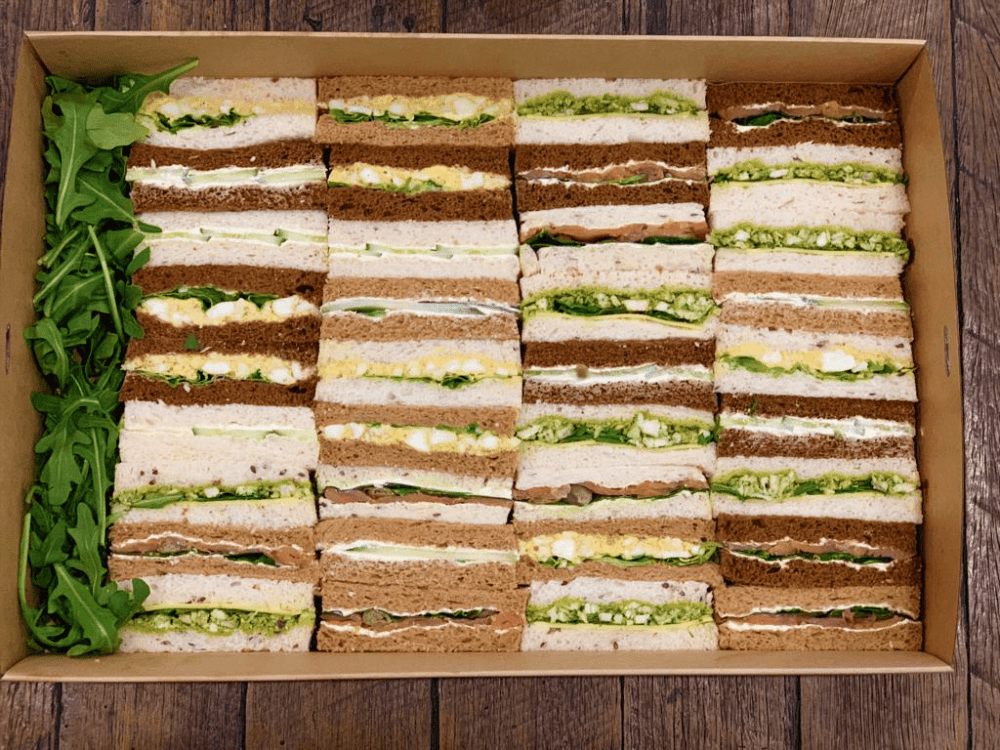
The collective sigh that ripples through your conference room when yet another sandwich platter arrives isn’t just about food preferences—it’s about unmet expectations, monotony, and missed opportunities to show your team they’re valued. Understanding why these ubiquitous platters fall flat can transform your approach to workplace meals.
The Predictability Problem
Sandwich platters have become the default choice because they seem safe, familiar, and universally acceptable. However, this predictability breeds contempt. When employees can accurately guess what’s arriving before the delivery person even sets foot in the building, you’ve lost the element of surprise and delight that makes shared meals memorable.
The typical assortment—turkey and swiss, ham and cheddar, maybe a token veggie option—reflects outdated assumptions about what people want to eat. Modern palates crave variety, bold flavors, and options that align with contemporary dietary preferences.
One Size Fits None
Despite appearing inclusive, sandwich platters often satisfy nobody completely. The meat-eaters find the proteins bland and processed. Vegetarians get relegated to a sad lettuce and tomato combination. Those following keto, paleo, or other specific diets face limited options, while anyone with gluten sensitivity finds themselves completely excluded.
This approach sends an unintentional message: “We chose the most convenient option with minimal consideration for your individual needs or preferences.”
The Energy Crash Factor
Traditional sandwich platters rely heavily on refined carbohydrates and processed meats—ingredients that create blood sugar spikes followed by crashes. That post-lunch lethargy your team experiences isn’t coincidental; it’s a direct result of meal composition.
Employees notice when food choices leave them sluggish during afternoon meetings or struggling to maintain focus. Over time, this pattern creates negative associations with company-provided meals.
Quality Perception Issues
Mass-produced sandwich platters often feature the lowest-grade ingredients to meet budget constraints. Thin-sliced deli meats, generic cheeses, and day-old bread don’t inspire enthusiasm or communicate that leadership values employee experience.
When the same mediocre ingredients appear repeatedly, it reinforces the perception that workplace dining is purely transactional rather than an investment in team satisfaction.
Missing the Social Element
Effective office catering does more than provide calories—it creates opportunities for connection and team building. Sandwich platters encourage grab-and-go behavior rather than shared dining experiences. People take their predetermined sandwich and scatter, missing chances for informal collaboration and relationship building.
Solutions That Work
Breaking the sandwich platter cycle doesn’t require dramatically increased budgets or complex logistics. Consider these alternatives:
Build-your-own stations create engagement while accommodating individual preferences. A grain bowl bar, taco station, or Mediterranean spread allows customization within a cohesive theme.
Family-style meals encourage interaction and sharing. Large salads, pasta dishes, or ethnic cuisines served in shareable portions create more dynamic mealtime experiences.
Rotating themes prevent monotony while introducing variety. Designate different international cuisines for monthly meetings, or alternate between comfort foods and lighter, health-focused options.
The Bigger Picture
Your catering choices communicate company values and consideration for employee well-being. Moving beyond standard sandwich platters demonstrates that leadership pays attention to details that affect daily work life.
When teams genuinely look forward to catered meals rather than enduring them, you’ve created an additional retention tool and productivity booster. The investment in thoughtful, varied catering pays dividends in employee satisfaction and team cohesion that extend far beyond the conference room.