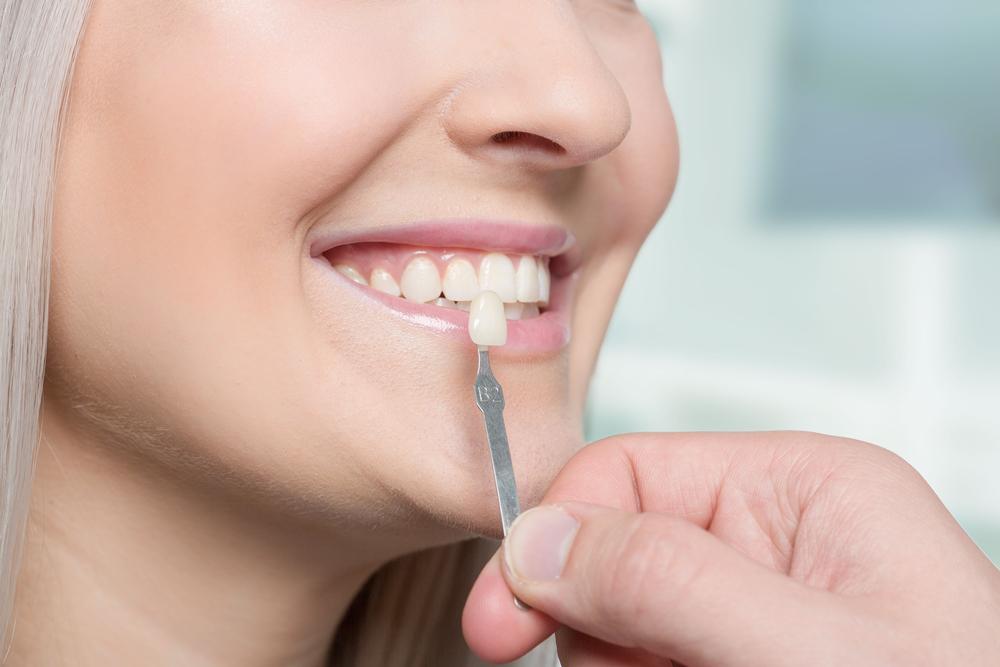
Every day, millions of people hide their smiles. Not because they’re unhappy, but because somewhere along the way, they learned to be self-conscious about their teeth. The fascinating world of dental veneers has evolved far beyond simple cosmetic covers—it’s become a intersection of art, engineering, and psychology that reveals surprising truths about human nature and modern technology.
The Psychology Behind the Perfect Smile
Research in facial recognition shows that humans make judgments about trustworthiness, competence, and attractiveness within milliseconds of seeing a face—and teeth play a crucial role. Studies indicate that people unconsciously associate straight, white teeth with health, youth, and social status, regardless of actual circumstances.
This isn’t vanity—it’s evolutionary biology meeting modern society. Our brains are wired to assess health through visual cues, and in professional settings, these snap judgments can affect everything from job interviews to salary negotiations. Understanding this psychology helps explain why dental veneers have become more than cosmetic enhancement—they’re increasingly viewed as professional investments.
The Unexpected History of Veneers
The story of veneers begins in Hollywood in 1928, when a California dentist created temporary tooth facades for actors that would last just long enough for filming. These early “Hollywood teeth” were held in place with denture powder and fell off after a few hours.
What started as movie magic has evolved into sophisticated bioengineering. Today’s veneers use materials developed for space shuttles and bonding techniques borrowed from aerospace engineering. The same technology that helps satellites withstand extreme temperatures now helps veneers Melbourne dentists use survive decades of coffee, wine, and daily wear.
The Art and Science of Color Matching
Here’s something rarely discussed: getting the color right for veneers is extraordinarily complex. Natural teeth aren’t one color—they’re translucent at the edges, opaque in the middle, and have subtle gradations that change in different lighting.
Master ceramists who create high-end veneers study teeth like artists study light. They layer different porcelain densities to mimic how natural teeth interact with light. Some even use techniques borrowed from Renaissance painters, building up thin layers to create depth and luminosity.
The most skilled technicians can replicate tiny imperfections—a slight overlap here, a subtle irregularity there—that paradoxically make veneers look more natural. It’s the dental equivalent of the Japanese concept of wabi-sabi: finding beauty in imperfection.
The Digital Revolution You Haven’t Heard About
Modern veneer design uses the same CAD/CAM technology that designs jet engines and surgical implants. But here’s the fascinating part: artificial intelligence is now being trained on thousands of smile photographs to predict which tooth shapes and arrangements will look most natural on specific face types.
Some cutting-edge practices use facial scanning technology that analyzes your expressions in motion. They study how your lips move when you speak, how wide you smile naturally, and even how your teeth show when you laugh. This data creates veneers that complement not just your static appearance but your animated personality.
The Materials Science Nobody Discusses
Modern porcelain veneers use feldspathic porcelain or lithium disilicate—materials that are harder than natural tooth enamel yet can be made thinner than a contact lens. The engineering challenge is remarkable: create something strong enough to withstand 200 pounds of bite force, translucent enough to look natural, and smooth enough to feel comfortable.
Recent innovations include veneers with built-in fluorescence that mimics how natural teeth glow slightly under UV light (yes, teeth naturally fluoresce—it’s why they can look different in nightclub lighting). Some newer materials even have self-healing properties, where microscopic scratches can repair themselves over time.
The Cultural Variations Nobody Talks About
Different cultures have surprisingly different ideals for attractive teeth. Research shows that Americans prefer ultra-white, perfectly aligned teeth, while Europeans often request slight imperfections for authenticity. In Japan, slightly crooked canines (yaeba) are sometimes considered charming.
This cultural element affects veneer design significantly. Skilled cosmetic dentists now offer “regional styles”—the Manhattan executive look versus the California beach aesthetic versus the understated European approach. It’s globalization meeting personalization in unexpected ways.
The Biomechanics Most Dentists Don’t Explain
Your teeth aren’t just for appearance—they’re part of a complex mechanical system. Each tooth has a specific job, and changing their shape with veneers can affect your entire bite dynamics. This is why proper veneer design requires understanding engineering principles.
The angle of your front teeth affects how you pronounce certain sounds. The length influences how your jaw moves when chewing. Even tiny changes in tooth position can affect neck posture and potentially contribute to headaches. Advanced practitioners now use computer modeling to predict these biomechanical impacts before placing veneers.
The Maintenance Reality Check
Here’s what marketing doesn’t emphasize: veneers aren’t “install and forget.” They require a lifestyle adjustment that goes beyond basic care. The junction where veneer meets tooth is vulnerable to bacterial infiltration if not properly maintained. Some people develop increased sensitivity to temperature that persists long-term.
Interesting fact: ultrasonic toothbrushes can potentially damage the bonding over time. Certain whitening toothpastes are too abrasive. Even something as simple as biting into an apple requires relearning your bite approach. These aren’t dealbreakers, but they’re realities that deserve discussion.
The Economic Ecosystem Around Veneers
The veneer industry has created an entire economic ecosystem. Dental tourism has emerged, with people traveling internationally for more affordable treatment. “Smile financing” has become a financial product category. Some employers now offer veneer coverage as a recruitment perk in competitive industries.
Insurance companies are beginning to recognize that veneers can have mental health benefits, with some progressive policies covering them when linked to documented psychological distress. It’s healthcare evolution in real-time.
The Future That’s Already Arriving
Bioengineered veneers grown from stem cells are in development. These living veneers would integrate with natural teeth, potentially lasting a lifetime. Researchers are also developing smart veneers with embedded sensors that could monitor oral health or even detect early signs of systemic diseases through saliva analysis.
Some laboratories are experimenting with color-changing veneers that could be adjusted via smartphone app—imagine changing your tooth shade for different occasions like you change phone wallpapers.
Making an Informed Decision
If you’re considering veneers, here are rarely discussed factors to consider:
The Commitment Timeline: Beyond the lifespan of veneers themselves, consider that you’re committing to maintenance, potential replacements, and lifestyle adjustments for life.
The Uncanny Valley Effect: Overly perfect teeth can trigger the same unsettling response as overly perfect CGI faces. The goal should be enhancement, not perfection.
The Social Adjustment: Some people report that dramatic smile improvements change how others perceive and interact with them, which can be psychologically challenging to navigate.
The Investment Perspective: Quality veneers from experienced providers, whether locally or from specialized veneers Melbourne clinics, represent significant investment. However, amortized over their lifespan and considering potential professional and social benefits, the per-day cost often surprises people with its reasonableness.
Conclusion: More Than Cosmetic
The story of modern veneers isn’t just about vanity or aesthetics—it’s about the intersection of technology, psychology, and human aspiration. It’s about materials science meeting art, engineering meeting empathy, and ancient desires meeting cutting-edge solutions.
Whether you’re considering veneers or simply curious about this fascinating field, understanding the depth and complexity behind these thin shells of porcelain reveals something profound: even our simplest desires—to smile without hesitation—drive incredible innovation and reveal deep truths about what it means to be human in the modern world.
The next time you see someone’s perfect smile, remember: you’re not just looking at dental work. You’re seeing the culmination of centuries of materials science, artistic evolution, and the endless human quest to present our best selves to the world—one smile at a time.