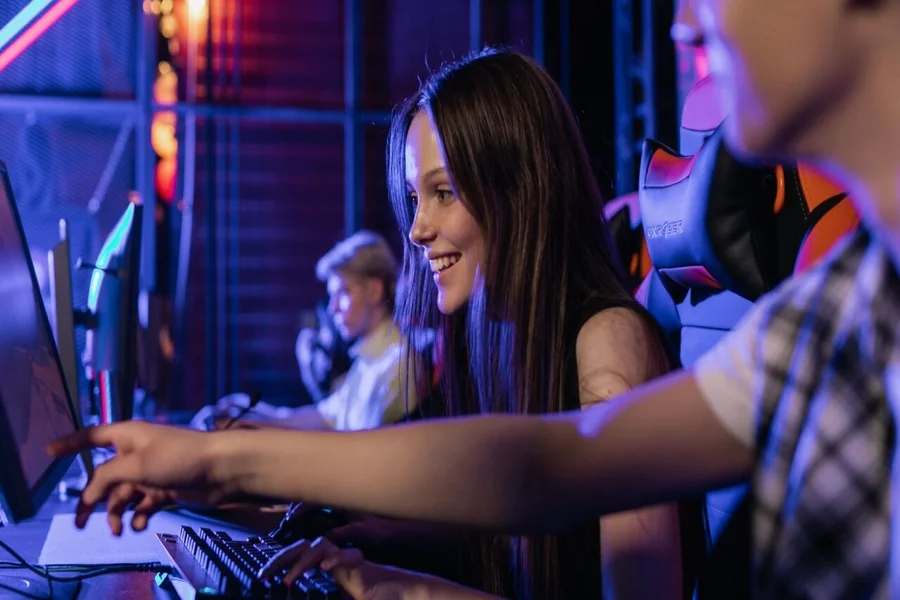
Online gaming has become one of the biggest parts of modern entertainment. What once started as a simple way to play video games has grown into a global industry where millions of people connect, compete, communicate, and share experiences every day. With faster internet connections, advanced gaming technology, and accessible devices, online games have changed how people spend their free time. They are no longer just a hobby for a small group of players but an important part of digital culture.
The entertainment industry has also changed alongside this growth. Traditional forms of entertainment, such as television, movies, and music, now compete with interactive gaming experiences. Players are not simply watching what happens on a screen. They are actively participating, making decisions, and sometimes influencing the direction of the experience.
The Rise of Interactive Entertainment
One of the biggest changes brought by online PG IN gaming is the shift from passive entertainment to interactive experiences. Watching a movie or television show allows audiences to enjoy a story, but gaming gives them the opportunity to become part of it. Players can control characters, complete challenges, explore virtual environments, and make decisions that affect the outcome.
Modern online games also offer different experiences for different audiences. Some players enjoy competitive multiplayer games, while others prefer adventure, strategy, sports, or casual mobile games. This variety has made gaming more accessible to people with different interests and age groups.
As technology continues to improve, developers are finding new ways to make virtual environments more realistic and engaging. Better graphics, artificial intelligence, and immersive gameplay have helped online gaming become a major entertainment choice worldwide.
Connecting People Across the World
Online gaming has made entertainment more social than ever before. In the past, playing video games often meant sitting alone or inviting friends over to play on the same console. Today, players can connect with people from different countries without leaving their homes.
Multiplayer games allow friends, families, and even strangers to work together or compete against one another. Voice chats, messaging features, and gaming communities make communication an important part of the experience.
These connections have also created communities around popular games. Players share strategies, discuss updates, organize tournaments, and build friendships through their common interests. For many people, gaming has become more than entertainment because it provides a place to socialize and connect with others.
The Growth of Esports and Professional Gaming
Online gaming has also created new opportunities within the entertainment industry through esports. Competitive gaming has developed into a professional field where skilled players participate in organized tournaments and compete for significant prize money.
Popular games attract large audiences through live-streaming platforms and online broadcasts. Professional teams, sponsors, event organizers, commentators, and content creators all contribute to this growing ecosystem.
Esports events now offer experiences similar to traditional sporting competitions. Fans support their favorite teams, follow professional players, and watch major tournaments from different parts of the world.
This development has created career opportunities that were almost impossible to imagine a few decades ago. Gaming is no longer limited to playing for fun. It has become a potential profession for talented individuals who are willing to develop their skills and build an audience.
Streaming and Content Creation Have Changed Gaming Culture
Another major development is the relationship between online gaming and digital content creation. Platforms such as YouTube and Twitch have allowed gamers to share their gameplay with millions of viewers.
Some people watch gaming content to learn new techniques, while others enjoy the personalities, humor, and commentary of their favorite streamers. Live streaming has also made gaming more interactive because viewers can communicate with creators through live chats.
Content creators have become influential figures in the entertainment industry. They promote new releases, introduce audiences to different games, and help gaming communities grow. In many cases, a popular streamer can bring attention to a game that traditional advertising might struggle to reach.
This has changed how gaming companies approach marketing. Instead of relying only on advertisements, many developers now work with streamers, influencers, and gaming communities to reach potential players.
New Business Opportunities and Revenue Models
The growth of online gaming has opened new business opportunities for developers, publishers, advertisers, and technology companies. The industry generates revenue through game purchases, subscriptions, downloadable content, advertising, and optional in-game purchases.
Free-to-play games have also changed the way people access entertainment. Players can start playing without paying upfront, while developers generate income through optional upgrades, cosmetic items, and additional features.
Mobile gaming has made this business model even more successful by bringing games to smartphones and tablets. People can enjoy entertainment while travelling, waiting, or taking a short break.
However, these developments have also raised questions about responsible spending, in-game purchases, and screen time. Gaming companies need to balance commercial success with positive experiences for their audiences.
Final Thought
Online gaming has transformed the entertainment industry by making digital experiences more interactive, social, and accessible. It has created professional opportunities, introduced new business models, and changed how people consume entertainment. From multiplayer communities to international esports competitions, gaming continues to influence modern digital culture.
As technology develops further, online gaming will likely become an even bigger part of everyday entertainment. Its success shows that audiences increasingly want experiences where they can participate, connect, and feel involved rather than simply watch from the sidelines.