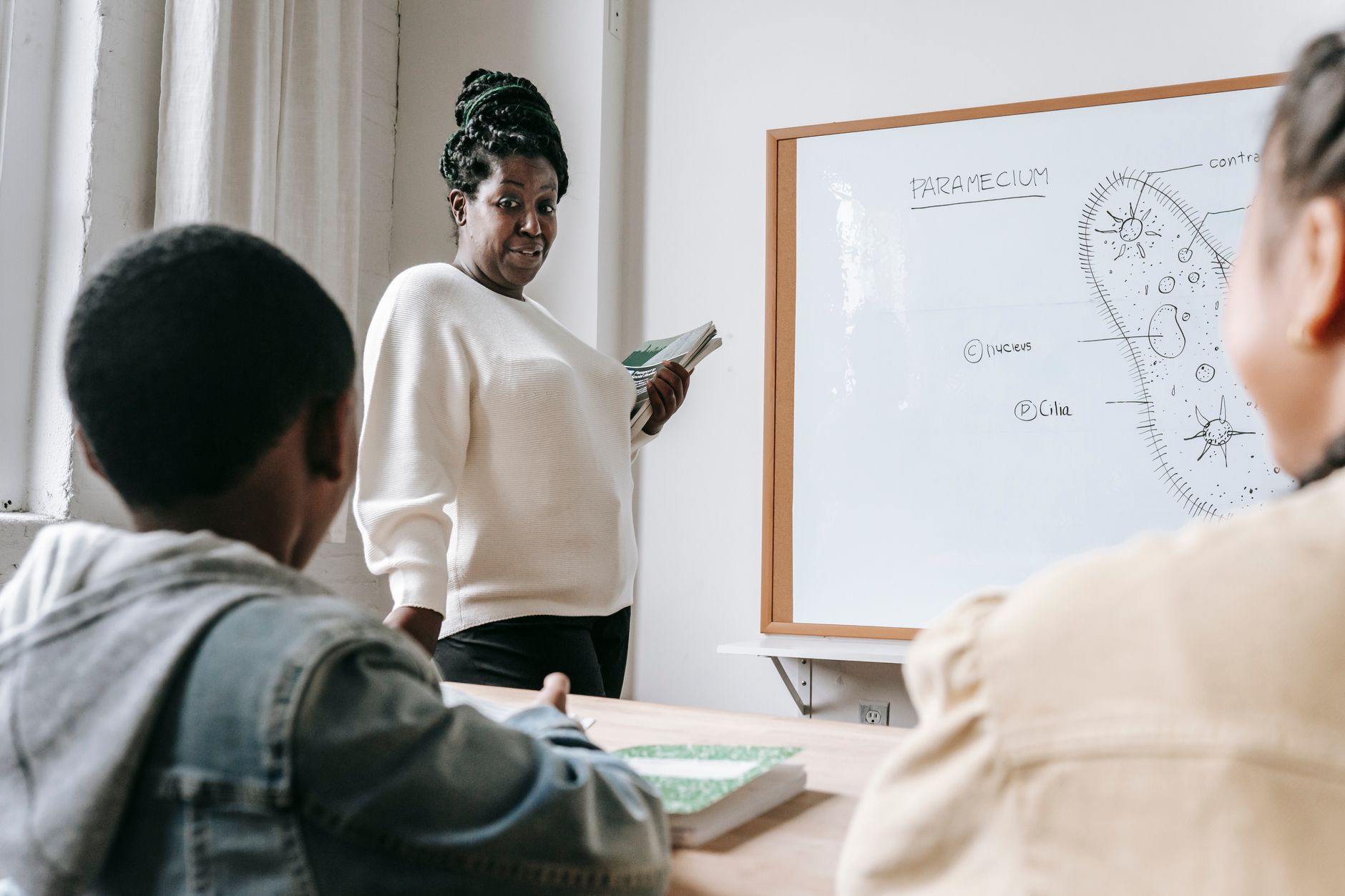
A student presentation can contain accurate research and still leave its audience unsure what to imagine. Terms such as atmosphere, perspective, and visual contrast are easy to put on a slide, but harder to explain through definitions alone. A short visual example gives the group something specific to discuss. The useful question is what the example helps people notice.
Consider an imagined classroom assignment about how a setting changes the mood of a story. A student could describe a railway platform at two different moments: busy in the morning and nearly empty at night. The comparison does not require a complete film. It needs enough visible detail for classmates to identify what changed and explain why that change matters to their interpretation.
Text and image based creation with seedance 3.0 can help turn such an original idea into a short video illustration. Its role in this assignment is to provide material for analysis. The student still supplies the argument, identifies the relevant details, and explains what the illustration can and cannot demonstrate. Generating a clip is the beginning of that explanation rather than a substitute for it.
Give the example a question to answer
A broad instruction such as “make the presentation more interesting” leaves the visual with no clear purpose. A narrower question is more useful: how does the apparent distance between a character and the surrounding crowd affect our reading of the scene? Now the audience knows what to examine, and the student has a reason for choosing one composition over another.
The comparison should change only a few meaningful elements. If the lighting, location, character, movement, and camera position all change together, it becomes difficult to explain which difference produced the effect. Keeping a recognizable setting gives the audience a stable point of reference. This is a communication exercise, however, not a controlled scientific experiment, and the presentation should describe it accordingly.
The slide and the clip have different jobs
The slide can state the question and provide a short explanation. The clip can show movement, spatial relationships, or a change in attention. Avoid making the video carry a paragraph of text that classmates must read while also watching the action. A clear still image beside the explanation can remain useful after playback has finished.
Imagine showing the quiet platform first, then asking classmates to write down two observations before hearing the student's interpretation. One person may notice the empty space around the character; another may focus on the lighting. Their answers help separate what is actually visible from what the presenter expected everyone to understand. That distinction can improve the explanation even when the visual itself remains unchanged.
Label illustrations honestly
A generated scene should be identified as an illustration, especially when its appearance is realistic. It is not documentary evidence of a location, event, or person's behavior. If the assignment discusses history, science, or current affairs, factual claims still need suitable sources. A convincing image cannot establish that a claim is true.
Likewise, a comparison should not be described as a measured audience study unless one was actually conducted. Informal classroom reactions can support a discussion about possible interpretations, but they do not justify sweeping conclusions about how all viewers respond. Keeping the claim modest makes the presentation more precise and easier to defend during questions.
Make the explanation work without playback
Classroom technology does not always cooperate. Prepare a representative still and a sentence describing the intended action so the central argument remains understandable without the moving version. This also encourages the student to articulate why the example was included. If the argument disappears when the video stops, the presentation may need a clearer explanation.
A successful visual aid gives the audience a shared object of attention and then returns attention to the idea. For a student, that means finishing with an observation rather than a demonstration of the tool: the empty platform changes how we read the character's waiting, or the wider composition makes the surrounding space more noticeable. The value lies in making a thought visible enough for other people to question, compare, and discuss.