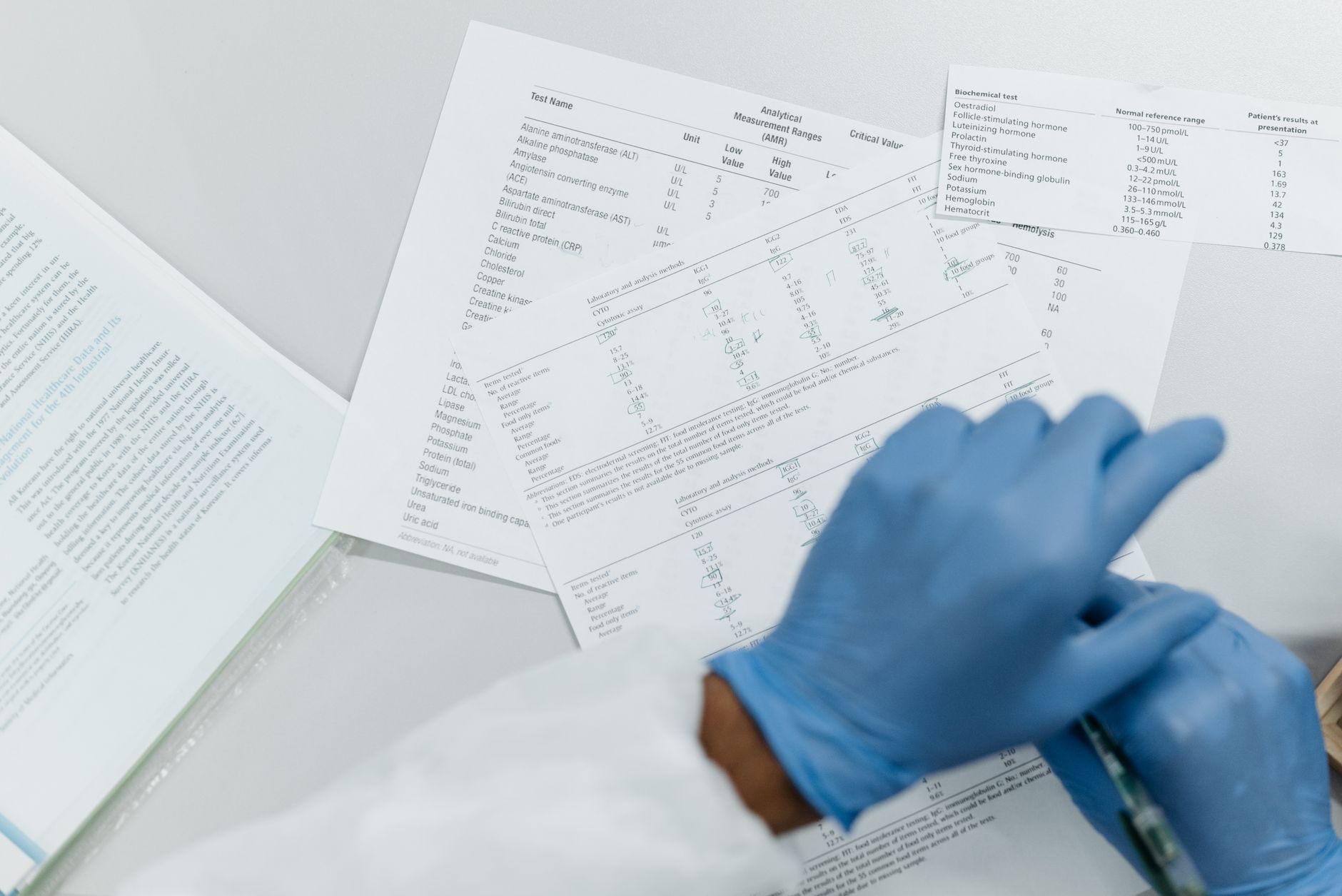
Scroll through any fitness or wellness feed. You will see the same thing. There is an influencer who looks sure of himself or herself. A happy review, and a discount code. But you do not often see what is really in the product. Because of this, many people in Australia have started to ask the same question before they buy. Has someone from outside tested this?
Where Evidence-First Shoppers Are Turning
More people now look at independent resources like suppscience.com.au before they buy anything. Supp Science brings together three things that are often found in different places online. These are published research, experiences from real people, and third-party lab results for products. Its style is clear and honest. There is less buzz and more facts. Each product page shows what is backed by science and separates that from stories, so you see what is proven, what looks good, and what is still unsure. You can also ask them to test a certain product or supplier in the next round.
Labels Don’t Always Match the Vial
Sometimes, when tests are done without a company, the results can be different from what the label says. This can happen with numbers being higher or lower.
The recent results on the site show this range in a clear way:
• A GHK-Cu sample that was said to be 50 mg, was found to weigh 60.61 mg. The purity for this, is about 99.8%.
• A semaglutide sample marked as 3 mg was found to be 3.11 mg, which is close to what it says.
• A tesamorelin vial marked 10 mg had only 8.44 mg in it, even though it was more than 97% pure.
Overfilled, just right, and underfilled. These can all happen with the same kind of test. You will not see these changes on the product label. They show when another person checks the product on their own.
Purity Isn’t the Whole Story
Many people look at a high purity percentage and stop there. That is not good. Purity tells you what part of it is the thing you want. Measured content tells you how much of that thing is really in it. A product can do well in one and not in the other.
Supp Science also gives a key warning with every result. A lab test only shows what was found in that one sample. It does not mean the next batch will be the same, and it does not prove that a product is safe or works well for you. Telling the truth about this is part of what helps make the data useful.
Why This Shift Is Happening Now
Many things are coming together now. Biohacking is now something many people do. A Forbes article notes that biohackers often self-experiment with nootropics and other compounds, with results that can be good, do nothing, or even just feel real in their mind. At the same time, more people are seeing and buying peptides online, and their popularity is only growing.
Regulators have seen this problem. The Therapeutic Goods Administration’s advisory on unapproved peptide products says these goods have not been checked for safety, quality, or how well they work. The labels may not be right, and saying “research use only” does not make selling them legal. If the regulator says you should not trust the labels, then it becomes clear that testing these in a good independent lab is a must.
How to Read a Product Page Like an Expert
No matter if you use a nootropic, a peptide, or a mineral supplement, make sure you go through these steps:
- Who was studied? The results are from one group of people. These findings may not fit healthy adults.
- How big was the change? Small, measurable changes happen often. Big ones do not happen much.
- Is there independent testing? Check if there is a lab name, date, and a report you can trust.
- Are content and purity both listed? You need to see both numbers.
- What’s the legal status? See if the TGA has said yes to the product in Australia.
Before you try anything you read, talk to a GP or a pharmacist first. This is very important if you take other medicine as well. A site like suppscience.com.au is there to help you ask better questions. It does not take the place of the advice you get from your doctor.
FAQs
What is Supp Science?
It is an Australian site that goes over supplement and peptide research. It brings together what people say about using these products and also shares lab test results that are done on their own.
Does a good lab result mean a product is safe?
No. A lab test shows what is in and how clean one sample is. It does not show if it is safe, works well, or stays the same in all batches.
Can I request a product to be tested?
Yes. The site invites readers to suggest products or suppliers for future testing.
Are peptides legal to buy in Australia?
Many peptide products sold online aren’t approved by the TGA. Check their regulatory status and speak with a doctor first.
Conclusion
Marketing tells you what a brand wants you to think. Independent testing tells you what is really in the product. Australians who look at the facts first are not just guessing; they are being smart with their money and with their health.