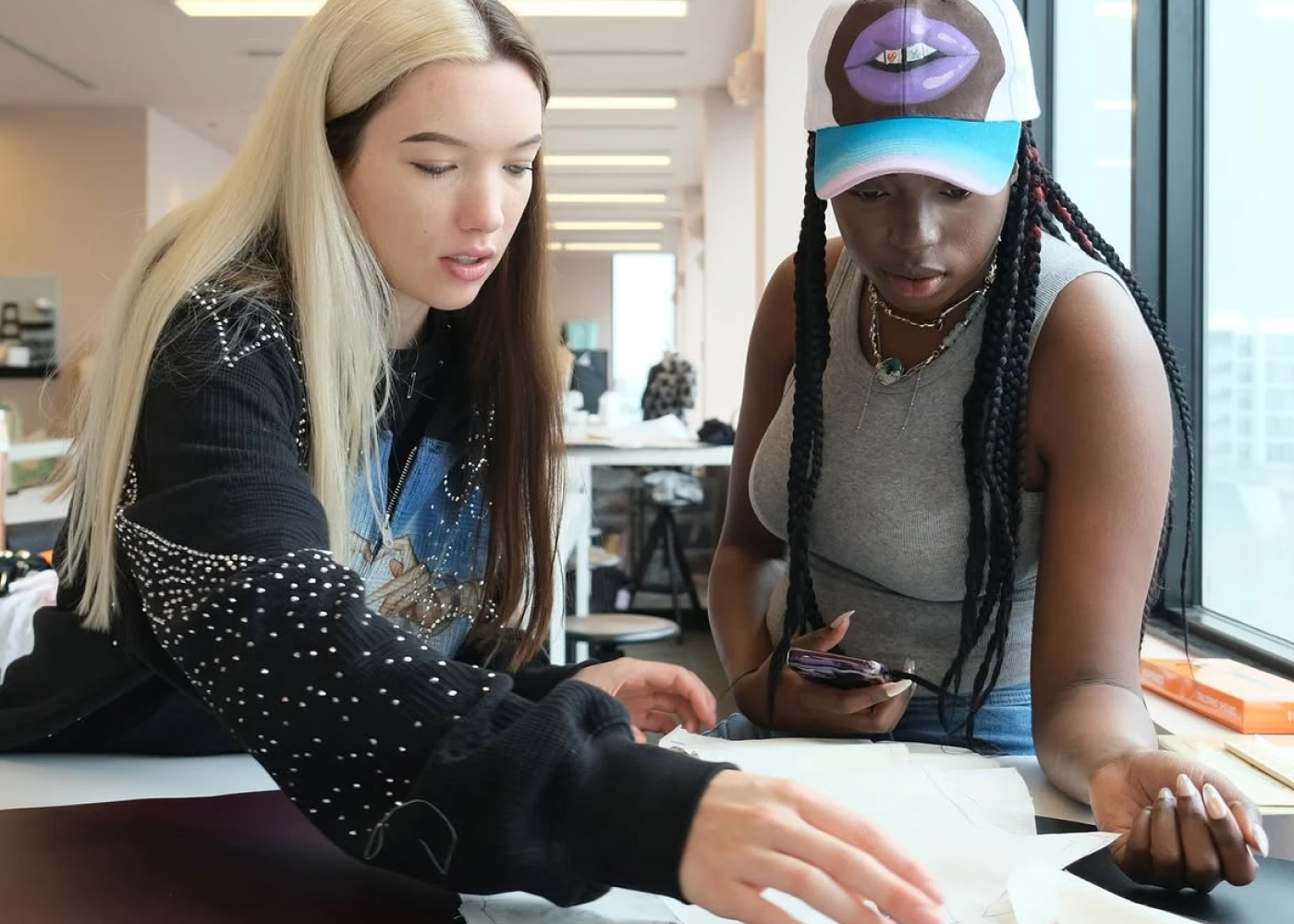
Fashion styling, like several other fashion disciplines, offers both a compressed associate-level path and a longer bachelor’s degree, and choosing between them depends heavily on how quickly a person wants to enter the workforce versus how much time they want to spend developing broader theoretical and business context alongside core styling skills. An associate degree in fashion styling typically concentrates on core technical competencies, garment knowledge, basic photo styling principles, and practical wardrobe and prop coordination, without extending into the deeper business strategy or extended theoretical coursework a bachelor’s program might include across its additional years of study.
This compressed format suits students who already have a fairly clear sense that styling specifically, rather than the broader fashion business or design landscape, is where they want to build a career, and who want to reach entry-level opportunities faster than a four-year timeline would allow. Someone with this clarity often finds the concentrated technical training more directly useful than the additional breadth a longer program would add, since they’re not using that extra time to explore whether styling is actually the right fit in the first place.
What Technical Skills an Associate Program Actually Builds
Core styling competency involves genuinely practical skills that develop through repeated hands-on practice rather than extended classroom theory: understanding how different fabrics and silhouettes photograph under varying lighting conditions, building an eye for how garments should fit and drape for camera versus how they might look acceptable in person, and developing efficient techniques for managing multiple wardrobe changes during a tightly scheduled shoot. These skills respond well to a concentrated, practice-heavy curriculum, since improvement comes primarily from repetition and direct feedback rather than from extended theoretical study.
An associate program’s shorter timeline doesn’t necessarily mean shallower technical training in these specific core competencies, since the compressed format achieves this by removing broader general education and extended elective coursework rather than by rushing through the actual styling fundamentals themselves. Students graduate with genuine hands-on competency in the practical mechanics of styling work, even without the additional business strategy or extended theoretical grounding a bachelor’s program would layer on top of this same technical foundation.
Who Benefits Most From Choosing This Shorter Path
Students planning to assist an established stylist before eventually building an independent styling career often find the associate path particularly well-suited to their actual career trajectory, since assistant roles typically prioritize practical competency and reliability over extensive theoretical or business background. Building experience through assisting, then gradually taking on independent projects as skills and industry connections develop, represents a common and viable path into professional styling that doesn’t necessarily require the additional years a bachelor’s program would add before a student even starts gaining this practical, on-the-job experience.
This path suits students with limited time or financial resources for a longer program just as well as it suits students simply eager to start working sooner rather than later. The tradeoff, less extended theoretical grounding and fewer built-in networking opportunities compared to a four-year program, matters more for some students than others depending on individual career goals, and understanding this tradeoff honestly before enrolling helps students choose the program length that actually fits their specific circumstances and ambitions within the styling profession.