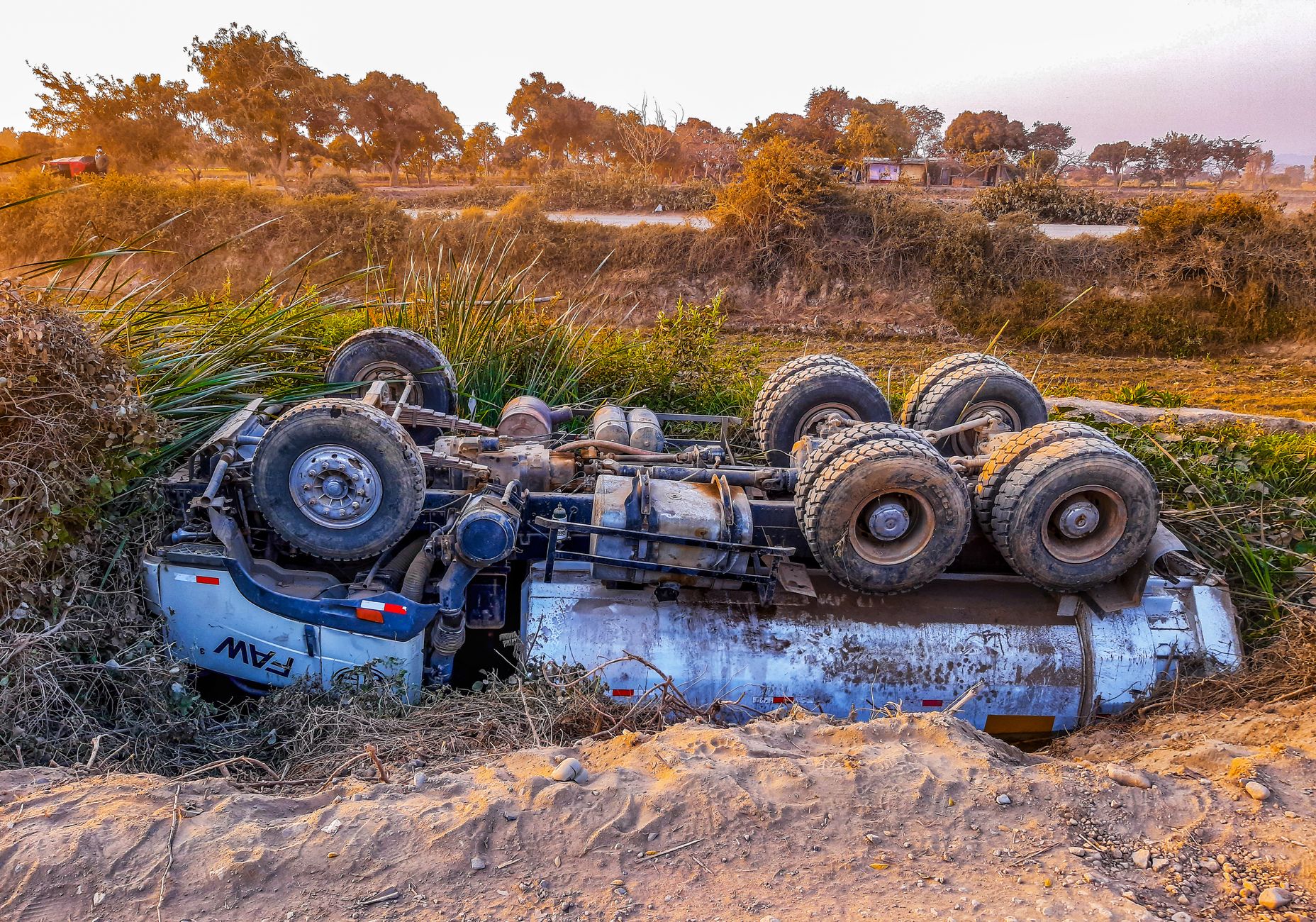
A collision between a passenger car and a fully loaded commercial truck rarely produces comparable damage to both vehicles. The sheer weight difference, sometimes twenty times greater on the truck's side, means even a moderate-speed impact can cause catastrophic injury to occupants of the smaller vehicle while leaving the truck itself relatively unscathed. This physics reality shapes everything about how these cases get handled differently than a typical car-on-car collision, from the severity of injuries involved to the complexity of determining who's actually liable once multiple companies and regulations enter the picture. Information at https://www.ourclientswin.com/practice-areas/truck-accident-lawyer reflects this complexity directly, since truck accident cases rarely resolve as simply as identifying which driver ran a red light.
Liability in truck accidents frequently extends well beyond the driver alone. Trucking companies bear responsibility for hiring qualified drivers, maintaining vehicles properly, and ensuring compliance with federal hours-of-service regulations limiting how long a driver can operate without rest. When a trucking company cuts corners on any of these responsibilities, whether by pushing drivers past legal hour limits, skipping required vehicle maintenance, or hiring drivers without properly vetting their safety record, that company shares liability alongside the driver for any resulting accident. Identifying which of these factors contributed to a specific crash often requires investigation extending well beyond the accident scene itself.
Why Federal Regulations Complicate These Cases Considerably
Commercial trucking operates under federal regulations that don't apply to ordinary passenger vehicle accidents, adding a layer of complexity that shapes how liability actually gets determined. Hours-of-service rules dictate how long a driver can operate before mandatory rest, and violations of these rules, revealed through electronic logging device data, frequently surface as a contributing factor once an accident gets properly investigated. A driver who's technically still awake and functional can nonetheless be operating well past safe limits according to these federal standards, and this violation becomes relevant evidence even when driver fatigue isn't immediately obvious from the accident scene alone.
Vehicle maintenance records add another regulatory layer specific to commercial trucking. Federal regulations require regular inspection and maintenance documentation that ordinary passenger vehicles don't face to the same degree, and gaps or falsification in these records can reveal that a trucking company knew about a mechanical issue, like worn brakes or faulty steering, and continued operating the vehicle anyway. Obtaining these maintenance records, along with electronic logging data and any prior safety violations on a company's record, typically requires formal legal processes that most accident victims wouldn't know how to pursue on their own without proper guidance.
Evidence Preservation Becomes Time-Sensitive Almost Immediately
Trucking companies often move quickly to preserve their own interests following a serious accident, sometimes repairing or even disposing of a damaged vehicle before an independent investigation can examine it properly. Electronic logging device data and other digital records can also be overwritten or deleted according to standard company data retention policies unless specifically preserved through formal legal request shortly after an accident occurs. This creates a narrow window where crucial evidence remains available, making early legal involvement considerably more valuable in truck accident cases than in accidents involving only passenger vehicles, where evidence preservation concerns are typically less urgent.
Witness accounts and scene documentation matter just as much in this narrow window, particularly for establishing details like traffic conditions, weather, and the sequence of events leading up to impact. A trucking company's own investigators sometimes arrive at an accident scene remarkably quickly, working to build a defense narrative before an injured party has had any chance to gather their own evidence or even fully process what happened. Understanding this asymmetry, and moving to preserve evidence and document the scene promptly rather than waiting, protects an injured person's position considerably better than assuming there will be ample time to investigate later once initial recovery and medical treatment take priority.