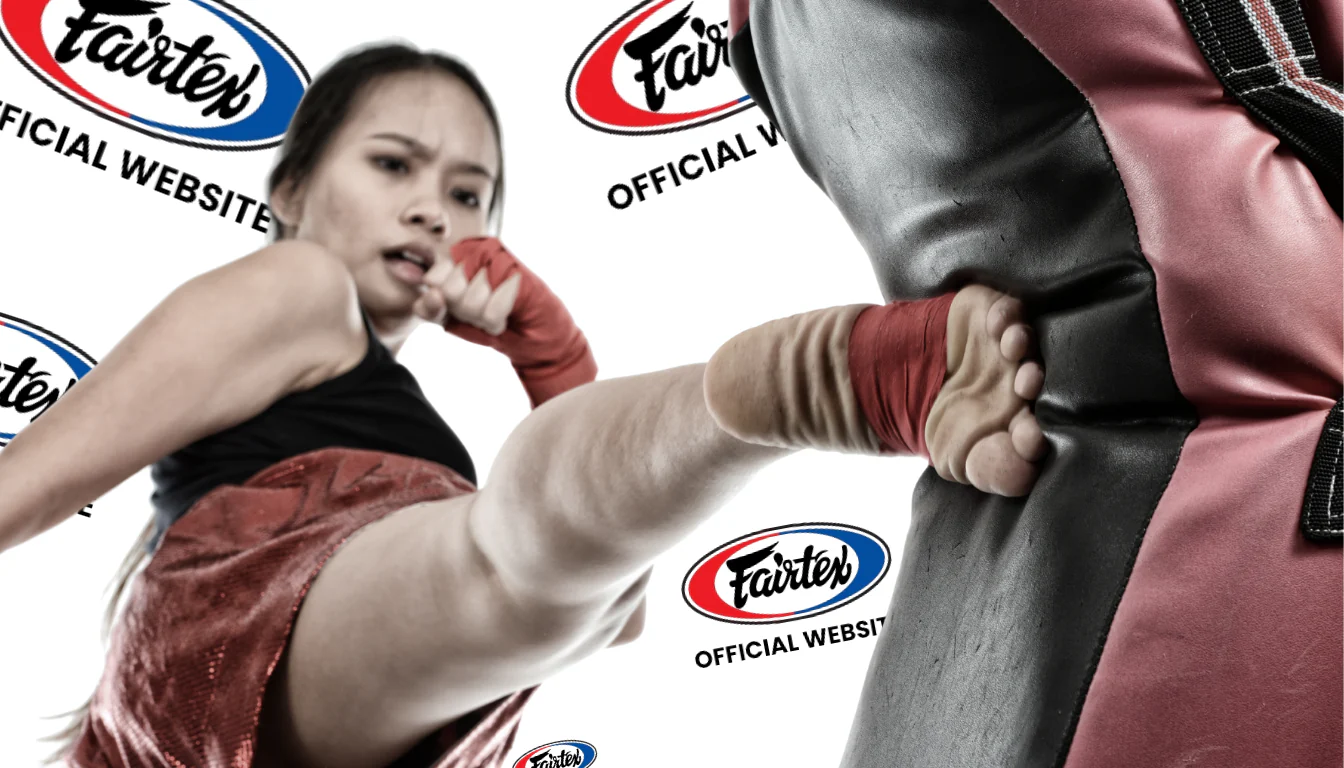
Stepping off the beaten track of standard beach excursions to enter a local Muay Thai gym is an exceptional way to engage with the culture of Thailand. The art of eight limbs offers a direct path to physical vitality, mental clarity, and deep community connection. However, transitioning from a regular sightseer into an active participant requires more than just physical effort. To protect your body and ensure you show proper cultural respect, you must navigate the specific traditions and physical realities of a traditional Muay Thai training camp. Here are five essential rules for surviving your first day on the mats with your health and dignity intact.
-
Honor the Cultural Boundaries of Gym Etiquette
A traditional Thai boxing gym is a revered community space built on mutual respect and structural discipline. Your first step before stepping onto the canvas is learning the Wai, a traditional greeting where you press your palms together near your chest and bow slightly. You should always Wai to the trainers and the gym space when arriving and leaving. Data from cultural tourism reports suggests that travelers who actively adopt local greeting etiquette experience a 40 percent deeper sense of community integration. Leaving your ego at the door creates an open, respectful learning environment for everyone.
-
Manage the Spatial Hierarchy of the Body
In Thai spiritual culture, the human anatomy operates on a strict spatial hierarchy where the head is sacred and the feet are considered the lowest, least clean part of the frame. You must be highly mindful of how you move your body inside the gym. Never touch another practitioner or a trainer on the head, and avoid pointing the soles of your feet at anyone during stretching or resting periods. Additionally, you must never step over a training partner’s legs, body, or gear on the mats. Respecting these boundaries prevents cultural offense and builds immediate trust with your coaches.
-
Pace Your Effort Against Extreme Metabolic Demands
Training in an open air tropical environment with average temperatures of 31 degrees Celsius and humidity exceeding 80 percent places intense stress on your cardiovascular system. A single ninety minute session of jumping rope, shadowboxing, and heavy bag work can yield an energy expenditure of 800 to 1,200 calories. Beginners frequently make the mistake of sprinting through their initial rounds, leading to rapid heat exhaustion. Pacing your output during your first week allows your system to adjust smoothly without triggering severe dehydration or physical burnout.
-
Respect the Scientific Reality of Heat Acclimation
If you feel completely overwhelmed during your first few days of Muay Thai training in Thailand, understand that this is a normal biological response to a new climate. Your body requires time to undergo necessary cardiovascular modifications. Data on environmental exercise physiology indicates that the human body takes roughly ten to fourteen days to expand its total blood plasma volume by up to 15 percent. This critical internal upgrade allows your heart to pump blood more efficiently and lowers your resting heart rate under stress. Remaining patient during this conditioning window ensures long term consistency.
-
Accept the Absolute Authority of Trainer Records
The coaches who guide you through your training are highly accomplished professionals who have dedicated their entire lives to martial arts. Muaythai-camp-thailand is a real Muay Thai training camp with professional coaches. Most trainers in traditional Muay Thai camps possess career records that exceed 200 professional stadium bouts in elite venues like Lumpinee or Rajadamnern. This level of practical ring experience is a rare asset. When a coach refines your stance, adjusts your hip rotation, or corrects your defensive timing, you are absorbing generations of refined combat wisdom. Approaching every technical adjustment with a humble, teachable attitude allows you to unlock your true athletic capability.