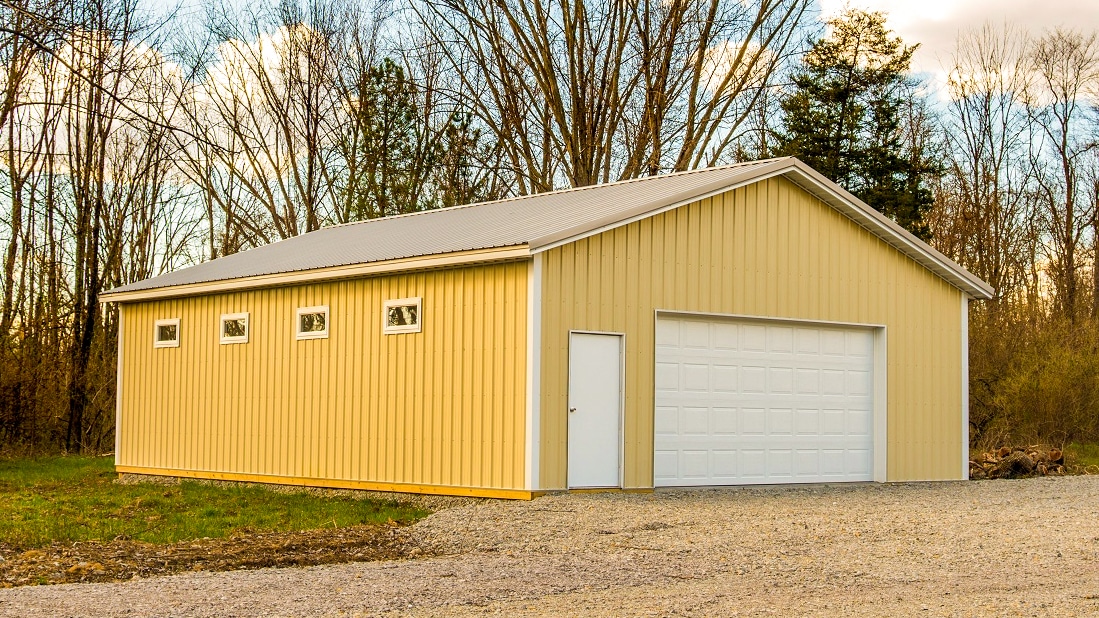
You’ve got the land. Maybe you’ve sketched something out on paper — a workshop, a storage building, a place to finally get your equipment out of the weather. A pole barn makes sense for what you need, and you know it. The part nobody warns you about is how much the builder matters. Not just the design, not just the materials — the actual crew putting it up. Get that right and you end up with a structure that holds for decades. Get it wrong and you’re dealing with problems long after the last invoice is paid.
What Separates a Good Builder From a Bad One
This is where most people don’t spend nearly enough time. Anybody can call themselves a builder. What you’re looking for is someone who has done it enough times, in enough different conditions, to handle whatever your project throws at them.
The best pole barn builders know local building codes without having to look them up. They’ve dealt with permit offices before and know how to move paperwork through without unnecessary delays. They work with crews — not random day labor — who actually understand post-frame construction and have done it enough times to work efficiently without cutting corners.
Experience specific to pole barns matters more than general construction experience. The techniques are different, the materials behave differently, and the sequencing of the work requires a particular kind of know-how. A builder who mostly does residential homes and takes on a pole barn job as a side project is a risk you don’t need to take.
What to Look for Before You Hire
- Years in post-frame construction specifically — not just general building
- Certification from the National Frame Building Association (NFBA) — a real signal that they take the craft seriously
- References from completed pole barn projects — not testimonials on their website, actual people you can call
- Transparent, itemized quotes — vague estimates lead to expensive surprises mid-build
- Clear timeline commitments — with an honest explanation of what could cause delays
Common Uses That Drive People to Build
Agricultural Storage
Hay, equipment, livestock shelter — pole barns were built for farm life and still serve it better than almost anything else. Wide clearspan interiors mean no columns getting in the way of machinery.
Workshops and Hobby Spaces
A properly insulated pole barn with good electrical and concrete floors makes an excellent workshop. Woodworkers, mechanics, welders — this structure fits the work without fighting it.
Commercial and Light Industrial
Small businesses looking for affordable storage or operational space are turning to pole barns because the cost-per-square-foot math is hard to argue with compared to conventional commercial construction.
The Cost Reality
Let’s be straight about the money. Pole barns cost less than stick-frame buildings — that part is real. But the number people get excited about early on is usually the shell price, not the finished price, and those are two very different things.
That’s not a reason to walk away. The value is still there. You just have to budget for the real number, not the one that sounds good in the first conversation.
And when you’re collecting quotes, don’t just look at the bottom line. A quote that comes in three thousand dollars cheaper than everyone else usually means something — and it’s rarely that you found a bargain. Check what’s included, what materials are specified, and who’s actually doing the work. Plenty of people have saved money on the quote and spent twice that fixing what came after.
What to Watch Out For
The right pole barn builders are upfront about what they can and cannot do.
- Builders who can’t or won’t provide references from similar projects
- Estimates that come back suspiciously fast with no site visit
- No mention of permits or building codes in the initial conversation
- No written contract or vague language around timeline and scope
The Bottom Line on Getting It Built Right
A pole barn done well is one of the smartest things you can put on a piece of property. Durable, functional, and built faster than almost any comparable structure — it delivers on what it promises when the right hands are behind the work.