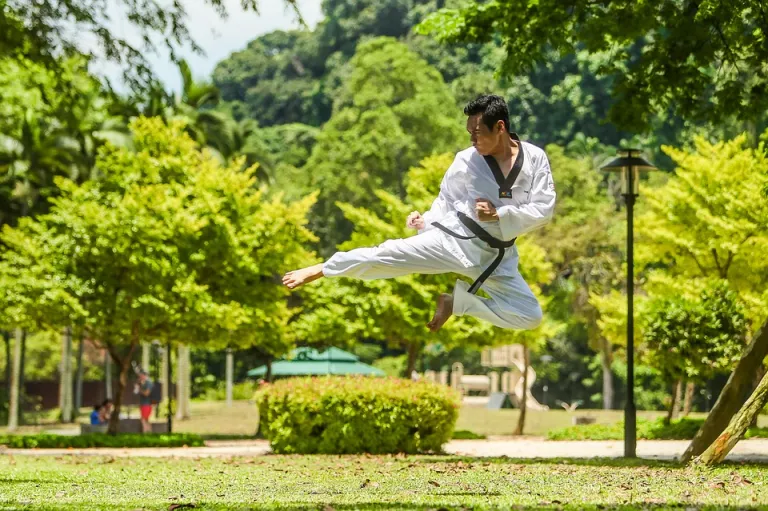
Stepping off the standard sightseeing path and entering a traditional martail art gym is one of the most rewarding decisions a traveler can make in Thailand. This ancient martial art provides a unique gateway to local heritage, personal discipline, and elite physical fitness. However, transitioning from a regular tourist to a mindful practitioner requires more than just showing up with a pair of boxing gloves. To truly respect the culture and maximize your athletic development, you need to understand the social and physical infrastructure of a authentic training camp. Here are five crucial things every mindful tourist needs to know before starting their training trip.
The Cultural Sanctity of Gym Etiquette and the Wai
A traditional Thai martial art gym is considered a sacred space where mutual respect forms the absolute foundation of daily life. The first thing you must learn is the Wai, a traditional gesture where you press your palms together and bow slightly. Mindful tourists should always Wai to the trainers and the gym space when arriving and leaving. This practice helps eliminate outward bravado and ego, creating an inclusive learning environment. Statistics from cultural exchange reports show that travelers who actively adopt local greeting etiquette experience a 40 percent deeper sense of community integration during their stay. In martial art trip you will lean the real cuture from Muay Thai camp.
The Spatial Hierarchy of the Head and the Feet
In Thai spiritual culture, the human body operates on a strict spatial hierarchy. The head is regarded as the highest, most sacred part of the body, while the feet are considered the lowest and least clean. You must carefully manage your movements to avoid causing cultural offense. Never touch another practitioner or trainer on the head, and avoid pointing your feet at anyone inside the gym. Additionally, you must never step over a training partner’s body, legs, or gear on the mats. Navigating these boundaries ensures you maintain proper decorum and show absolute respect to your coaches.
Navigating the Extreme Metabolic Cost of the Tropical Climate
Training in an open air environment with average daily temperatures of 31 degrees Celsius and 80 percent humidity places immense stress on your system. A standard ninety minute Muay Thai session consists of jumping rope, shadowboxing, pad work, and heavy bag drills. This intense workload results in a massive energy expenditure, burning between 800 and 1,200 calories per class. Mindful tourists must prioritize deep hydration and replace lost minerals with natural electrolytes like fresh coconut water. Pacing your effort during your first week prevents dangerous heat exhaustion and ensures long term physical consistency. Suwit Muay Thai is a camp for your martial art trip.
The Biological Reality of the Heat Acclimation Window
Many tourists become discouraged during their first few days trip because the physical exertion feels overwhelmingly difficult. It is vital to understand that your body requires time to undergo necessary environmental adaptations. Scientific data on heat conditioning indicates that the human body takes roughly ten to fourteen days to fully adapt by expanding its total blood plasma volume by up to 15 percent. This critical biological upgrade allows your cardiovascular system to pump blood more efficiently and lowers your resting heart rate under stress. Knowing this timeline helps you stay patient as your body builds its new climate baseline.
The Absolute Power of Professional Trainer Records
The coaches mentoring you at a local camp are not casual fitness instructors. They are highly experienced professionals who have often dedicated their entire lives to the sport. Many trainers hold competitive records that exceed 200 professional stadium bouts in elite venues like Lumpinee or Rajadamnern. This level of practical expertise is a rare asset. When you receive feedback on your stance, hip rotation, or defensive timing, you are absorbing generations of combat wisdom. Approaching every interaction with a humble, teachable attitude allows you to unlock the true potential of your training residency.