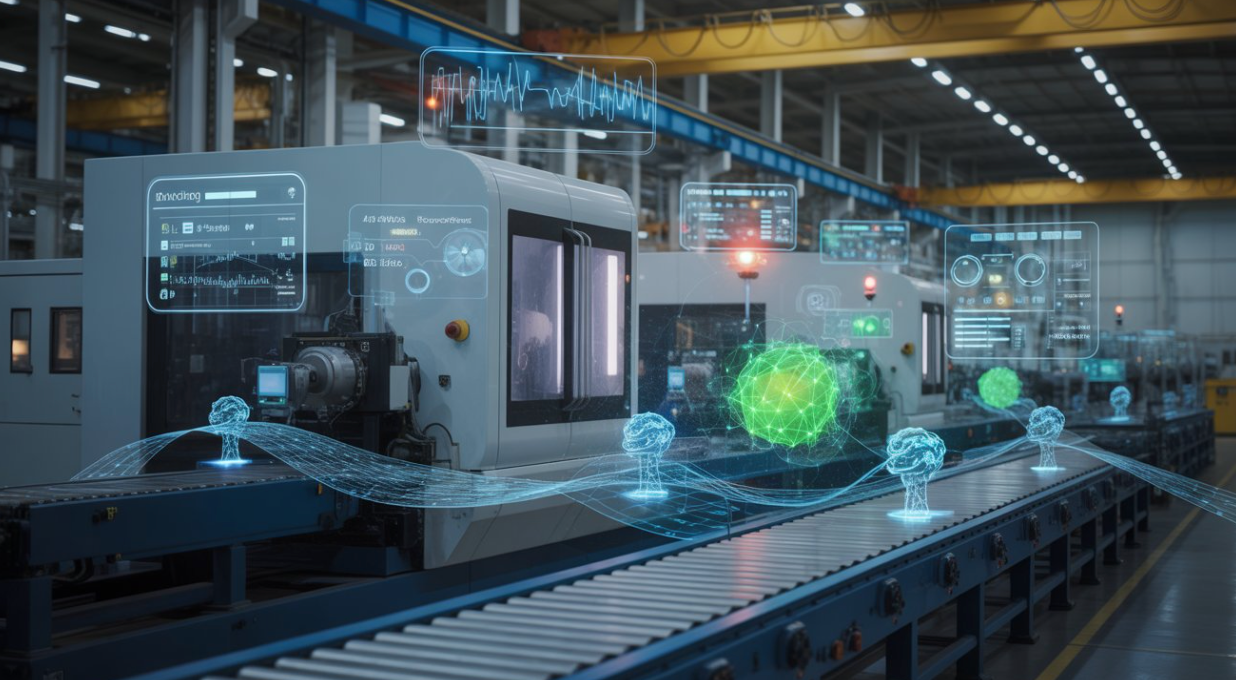
Modern industries rely on machines and equipment to keep operations running smoothly. When a machine fails, it can stop production, cause delays, and increase costs. For many years, companies used traditional maintenance methods to prevent such problems. Today, machine learning is changing how industries manage and maintain their equipment.
Understanding Predictive Maintenance
Predictive maintenance is a method used to predict when a machine might fail. Instead of fixing equipment after it breaks, companies monitor machine data to detect early signs of problems. This helps them repair or replace parts before a failure occurs.
Predictive maintenance saves time, reduces costs, and improves productivity. With the help of machine learning, this process has become faster and more accurate.
What is Machine Learning?
Machine learning is a branch of artificial intelligence that allows computers to learn from data. Instead of following fixed rules, machine learning systems analyze patterns in data and improve their predictions over time.
In industrial environments, machines produce large amounts of data through sensors. Machine learning tools study this data and detect patterns that humans may miss.
How Machine Learning Improves Predictive Maintenance
Machine learning has brought many improvements to predictive maintenance systems.
Early Fault Detection
Machine learning models analyze equipment data in real time. They can detect small changes in vibration, temperature, or pressure. These changes may signal early signs of failure. Detecting problems early helps technicians fix issues before serious damage occurs.
Better Accuracy
Traditional maintenance methods rely on scheduled inspections. However, machines do not always fail according to a fixed schedule. Machine learning models use historical data and real time information to make more accurate predictions.
Reduced Downtime
Unexpected downtime can cost companies a lot of money. With machine learning, businesses can plan maintenance activities at the right time. This reduces sudden equipment failures and keeps production running smoothly.
Lower Maintenance Costs
Repairing a machine after it fails is often expensive. Emergency repairs may require urgent parts, extra labor, and production losses. Predictive maintenance powered by machine learning helps companies fix small issues before they become costly problems.
Role of Sensors and Data
Sensors play an important role in predictive maintenance systems. They collect information about machine conditions such as temperature, vibration, pressure, and energy usage.
This data is sent to monitoring systems where machine learning models analyze it. Over time, the models learn what normal machine behavior looks like. When the system notices unusual patterns, it alerts engineers about possible failures.
Applications in Different Industries
Many industries are now using machine learning for predictive maintenance.
Manufacturing companies monitor production machines to prevent breakdowns. The energy sector uses predictive maintenance to monitor turbines and power equipment. In transportation, airlines and railway companies use these systems to maintain engines and critical components.
By using machine learning, these industries improve safety and reduce operational risks.
Challenges in Implementation
Although machine learning offers many benefits, some challenges remain. Companies need large amounts of high quality data to train their models. They also need skilled professionals who understand both machine learning and industrial systems.
Another challenge is integrating new predictive systems with existing equipment and infrastructure.
The Future of Predictive Maintenance
The future of predictive maintenance looks promising. As technology continues to advance, machine learning models will become even more accurate. The use of advanced sensors, cloud computing, and data analytics will further improve maintenance strategies.
Industries that adopt these technologies early will gain a competitive advantage. They will reduce downtime, improve efficiency, and extend the life of their equipment.
Conclusion
Machine learning is transforming predictive maintenance across modern industries. By analyzing equipment data and detecting early warning signs, it helps companies prevent failures before they happen.
This approach improves efficiency, reduces maintenance costs, and keeps operations running smoothly. As industries continue to adopt machine learning technologies, predictive maintenance will become an essential part of modern industrial operations.