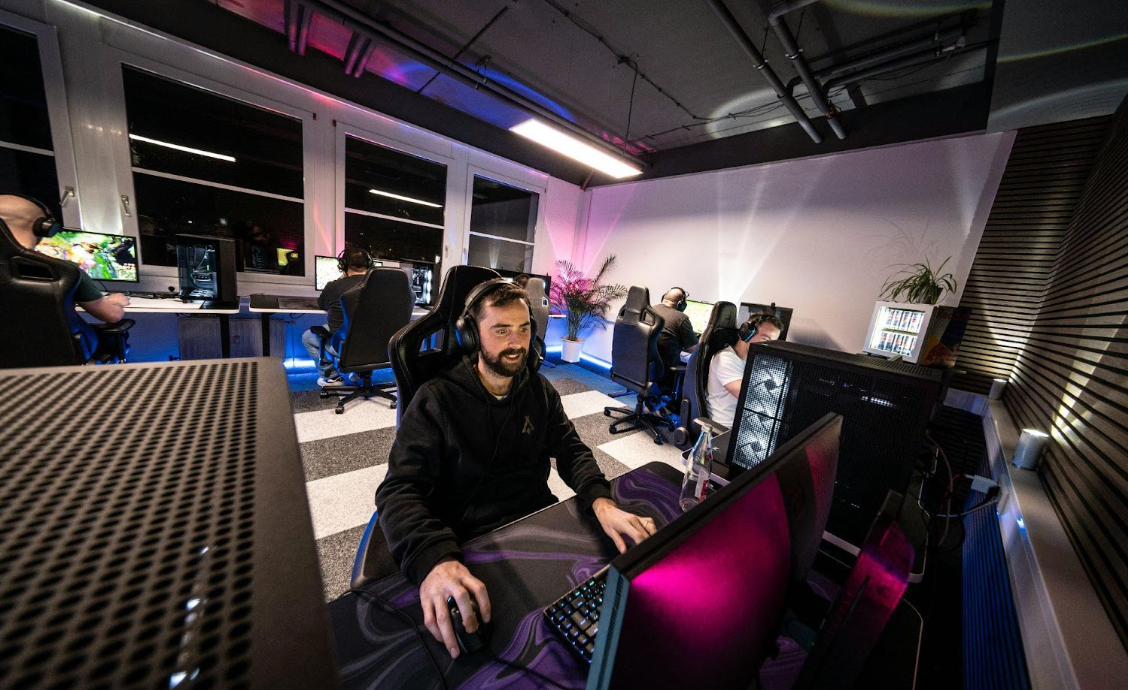
A Filipino esports night in 2026 can start in a place that barely looks like sport: a phone buzzing on a jeepney ride, a bracket screenshot in the group chat, a reminder that the first map begins before dinner is cleared. The stage lights and trophies still matter, but the real arena is the network: streams, stats, reactions, and the sense that you’re watching “with” people even when you’re alone at home.
The crowd that moved online
Esports in the Philippines has grown on social platforms, which is why the fan experience is less like silent viewing and more like a running conversation. Watch parties happen in living rooms and internet cafés, but they also occur inside Discord calls and Facebook groups, with TikTok edits turning one clutch play into a week of remixes. A traditional sports fan might glance at basketball lines and PBA odds during a timeout, while esports viewers keep a second screen open for drafts, map picks, and the tiny decisions that swing a round.
Mobile Legends remains the weekly heartbeat
Mobile Legends: Bang Bang stays at the center because MPL Philippines has made matchdays feel like a shared ritual rather than a niche hobby. The league’s official hub publishes schedules and results in a way that enables communities to circulate quickly, so people show up on time, talk on time, and capture the moments that deserve to travel.
The international resume is real. At the M4 World Championship, ECHO (Philippines) won the title and Blacklist International finished runner-up, a result fans still cite when they argue about discipline and late-game nerve. Karl “KarlTzy” Nepomuceno is often used as a benchmark name because he’s credited as the first two-time M World Championship winner, taking M2 with Bren Esports and M4 with ECHO.
The Asian Games effect
The Aichi–Nagoya Asian Games has announced an esports medal lineup that includes Mobile Legends: Bang Bang and League of Legends, so conversation in 2026 drifts toward national-team imagination as much as club rivalries. A player’s form starts to look like a selection case, and a draft choice starts to sound like a matter of national pride.
Communities built a second stadium out of clips and chat
What keeps Filipino esports sticky is not only the match itself, but the hours around it. Fans trade highlight edits, draft theories, and “receipt” screenshots like currency; they learn team identities through memes, then slide into deeper analysis without noticing when it happened. The broadcast delivers the official narrative, but the community supplies the emotional soundtrack, and that is where loyalty is reinforced.
That social layer also helps newcomers. A friend drops a one-minute recap, explains why a composition matters, and you’re invested, because the sport arrives with a guide rather than a textbook.
VALORANT’s Pacific calendar
VALORANT gives the country a different kind of story: longer formats, colder pressure, and a regional league rhythm that feels closer to traditional sports seasons. Riot’s published VCT 2026 plan sets the kickoff for the Pacific league to 22 January, underscoring a year when consistency matters as much as highlight reels.
Team Secret competes in VCT Pacific, giving Filipino fans a recognizable thread to follow in the league. Even when the broadcast is continental, the chat feels local because the team provides fans with a clear thread to follow.
The second screen that prices momentum
Betting has entered esports the way it entered traditional sports: quietly at first, then as an expected layer of engagement for adult fans. A best-of series has momentum, such as draft edges, map comfort, tilt, a player suddenly seeing every angle, and those signals can be translated into markets. A matchday feels different when online betting PH sits beside the stream, because attention sharpens: timings matter, risk looks expensive, and a comeback becomes something you can measure rather than just hope it happens.
The best version of this ecosystem stays readable and responsible. Platforms such as MelBet aim to meet fans where they already are while also offering tools like limits and self-exclusion to keep participation on the right side of responsible entertainment.
The stream ends, but the attention stays
After the last map, the community doesn’t log off; it migrates. There’s always a post-match argument, a highlight to rewatch, a roster rumor to weigh. Some adult users drift into other bite-sized entertainment within the same app ecosystems, including online casino play, because short rounds fit the leftover minutes between one series and the next.
Why 2026 feels like a turning point
A simple loop drives the Philippines’ esports growth in 2026: leagues that publish a steady calendar, players and teams that become icons, and communities that keep the story going even when the broadcast ends. Streaming and social platforms didn’t replace the arena; they multiplied it, and the result is a fandom that connects, competes, and stays engaged well past the final “GG.”