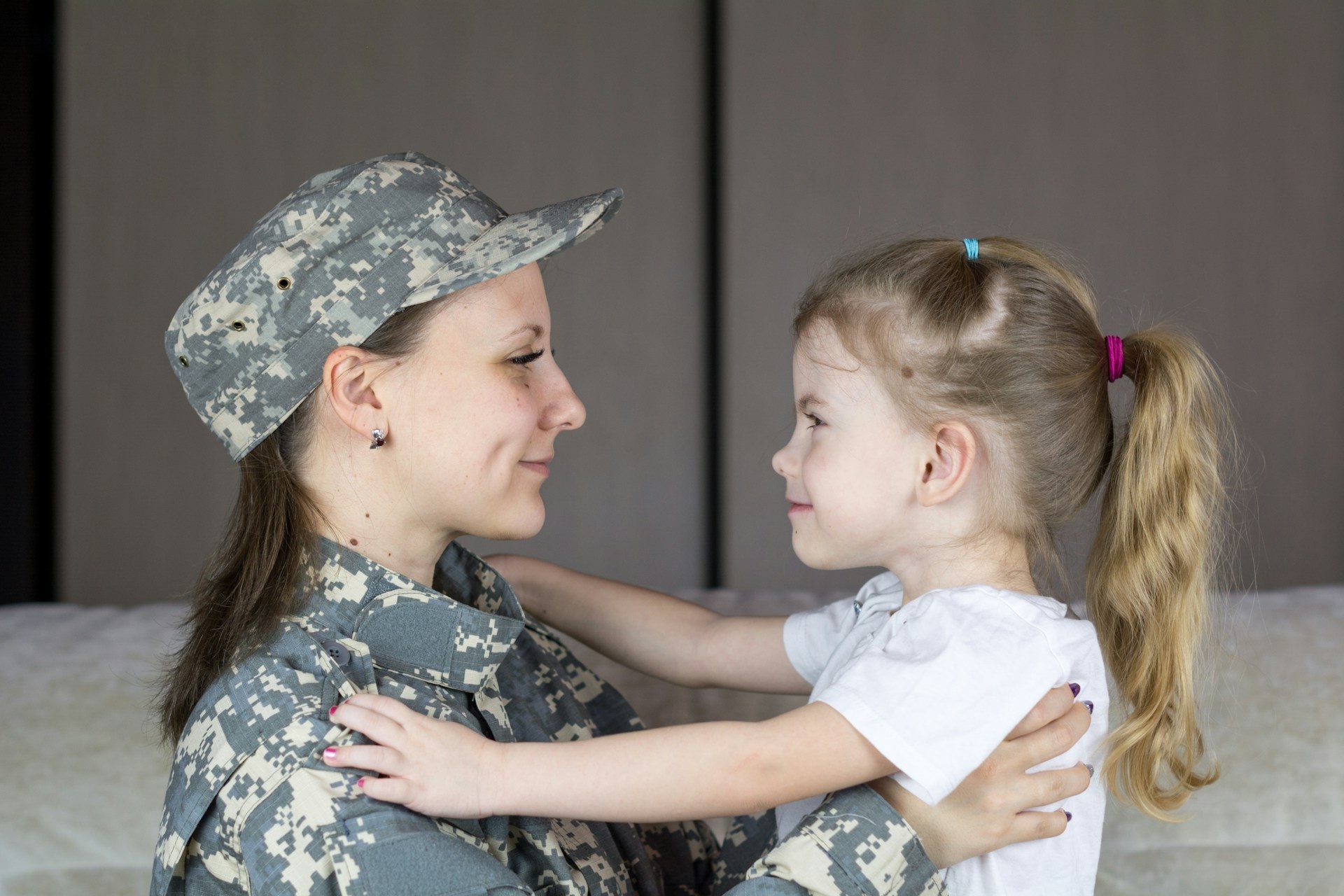
When someone serves in the military, their family serves alongside them in many ways. Active-duty families often face unique challenges, including frequent relocations, long deployments, and time away from loved ones.
While these sacrifices are made in support of the country, they can also create stress and uncertainty at home. Fortunately, communities can play a powerful role in supporting military families.
Whether it's attending local appreciation events, volunteering, or simply wearing patriotic shirts to show solidarity, small gestures can help military families feel seen and valued. By creating welcoming environments and providing practical support, communities can make a meaningful difference in the lives of active-duty families.
1. Create a Strong Sense of Belonging
Moving every few years can make it difficult for military families to establish roots. Arriving in a new city often means finding new schools, meeting new neighbors, and rebuilding social connections from scratch. Communities can ease this transition by making military families feel welcome from the start.
Neighborhood gatherings, welcome programs, and local organizations can help families connect with others and quickly feel at home. Even simple acts can go a long way toward fostering a sense of belonging, such as introducing yourself to a new neighbor or inviting a family to a community event.
2. Show Visible Appreciation for Military Service
Recognition matters. While active duty families don't expect constant praise, knowing that their sacrifices are appreciated can be incredibly meaningful. Communities can demonstrate support through military appreciation events, parades, school programs, and public ceremonies.
Local businesses can participate by offering special promotions or sponsoring military-focused initiatives. Visible expressions of gratitude remind service members and their families that their efforts are recognized and respected by the people around them.
3. Support Military Children in Schools
Military children often face challenges that their peers may not fully understand. Frequent school changes can disrupt friendships, academics, and extracurricular activities.
Schools can help by creating programs specifically designed to support military-connected students. Student ambassador programs, peer mentoring opportunities, and access to counseling resources can make transitions smoother. When schools foster understanding and inclusion, military children are better equipped to thrive both academically and socially.
4. Offer Practical Help During Deployments
Deployments can place additional responsibilities on the family members who remain at home. Managing childcare, household maintenance, and daily schedules alone can be overwhelming.
Communities can provide meaningful support by offering practical assistance. Organizing meal deliveries, helping with yard work, providing transportation, or assisting with childcare can reduce everyday stress. These thoughtful acts of kindness help families manage day-to-day responsibilities and remind them that they are not facing challenges alone.
5. Build Networks for Military Spouses
Military spouses are often the glue holding everything together at home, especially during deployments, relocations, and unpredictable schedules. They may be managing careers, childcare, household responsibilities, and emotional support for the entire family, all while adjusting to a new community every few years.
Communities can help by creating spaces where military spouses can connect. Local meetups, parent groups, volunteer organizations, and professional networking events can make a big difference. These groups offer friendship, guidance, job leads, and a reminder that no one has to figure everything out alone.
6. Partner with Local Businesses
Local businesses have a unique opportunity to support active-duty families in practical, visible ways. Restaurants, shops, gyms, childcare centers, and service providers can offer military discounts, sponsor family-focused events, or donate goods and services during deployments.
Businesses can also support military spouses by offering flexible employment opportunities. Because military families often move frequently, spouses may face challenges building long-term careers. Remote work options, flexible scheduling, and training in transferable skills can help spouses continue to grow professionally, even when life takes them to a new duty station.
These partnerships benefit everyone. Military families receive meaningful support, businesses build stronger community ties, and residents see firsthand how local organizations can step up for those who serve.
7. Stay Connected Beyond Military Holidays
Memorial Day, Veterans Day, and Independence Day are important opportunities to honor service members and their families, but support shouldn’t stop when the decorations come down. Active duty families face challenges throughout the year, not just on patriotic holidays.
Communities can stay connected by checking in regularly, organizing ongoing volunteer opportunities, and including military families in local traditions. A simple invitation to a neighborhood barbecue, school event, or community fundraiser can help families feel remembered and included.
Strong Communities Support Strong Military Families
Supporting active duty families doesn’t require grand speeches or elaborate gestures. Often, the most meaningful support comes from everyday kindness: welcoming a new neighbor, helping with childcare, mentoring a military child, or offering a meal during a deployment.
When communities show up in practical, thoughtful, and consistent ways, they help military families feel less alone and more connected. Active duty families give so much in service to the country. By creating supportive communities around them, you can give back in meaningful ways.