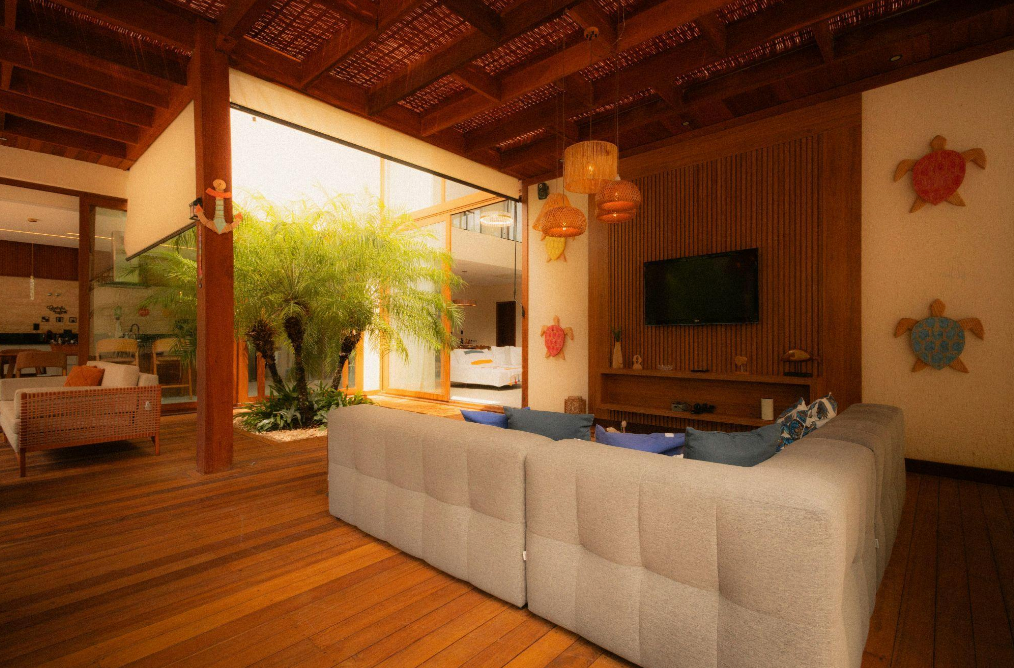
Humidity changes the way a home looks, feels, and ages. In tropical regions and coastal cities alike, excess moisture can warp wood, encourage mold growth, fade fabrics, and leave interiors feeling perpetually sticky. According to the Environmental Protection Agency, indoor humidity levels above 60 percent can create ideal conditions for mildew and dust mites, while the American Society of Heating, Refrigerating and Air-Conditioning Engineers recommend maintaining indoor humidity between 30 and 50 percent for comfort and material longevity.
Yet designing for humid climates does not mean sacrificing beauty. Just remember vibrant villas of the Carribean and ornate details of homes on Mediterranean shores – they are all examples of perfect balance between aesthetics and climate adaptation. If your home happens to be in an area with humid climate, how can you ensure its interior is both beautiful and durable?
Prioritize Breathable Materials
The first rule designers follow in humid climates is deceptively simple: let the house breathe.
Natural materials that regulate moisture tend to perform better than synthetic alternatives. Linen, cotton, rattan, cane, and teak are all favorites because they tolerate humidity gracefully and age beautifully. Upholstery should feel light and airy rather than dense or overly padded, which can trap moisture and odors over time.
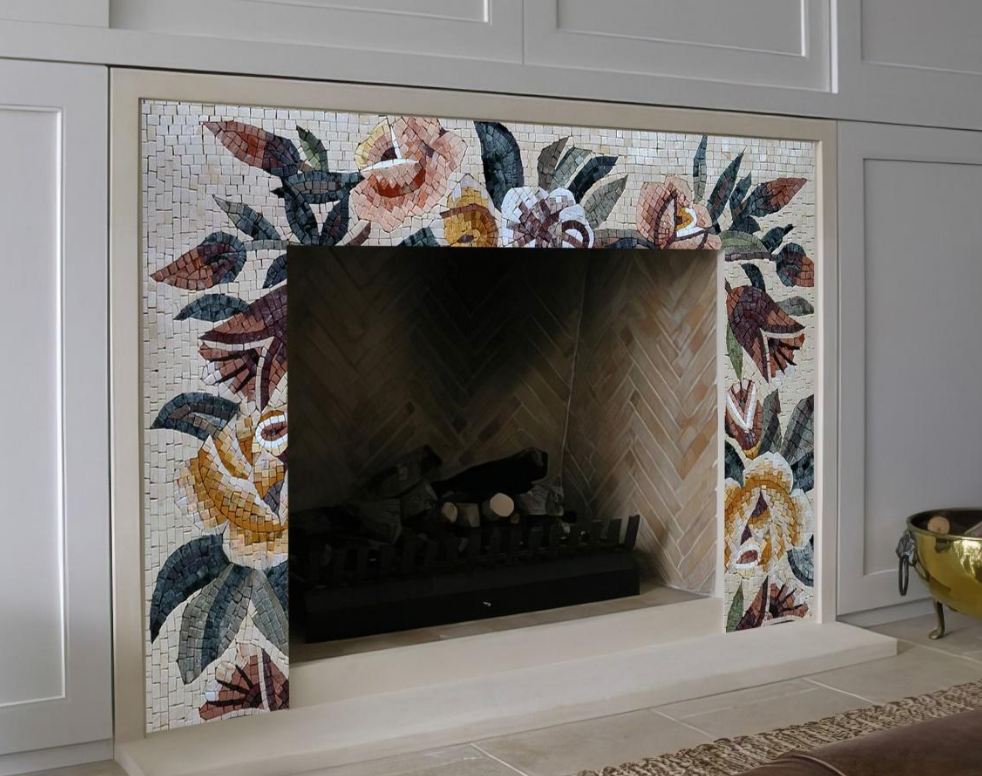
Engineered wood often outperforms solid hardwood in humid regions because it expands and contracts less dramatically. Porcelain tile is another go-to choice for flooring due to its resistance to moisture absorption. For bathrooms and kitchen backsplashes, many designers incorporate a natural stone mosaic because of its unique durability and aesthetic appeal.
Wall finishes matter just as much. Matte mineral paints and limewash coatings are increasingly popular because they allow walls to release moisture naturally, reducing the likelihood of trapped condensation.
Design Around Airflow
Designers often think about cross-ventilation before selecting furniture or finishes. Rooms with windows positioned on opposite walls encourage natural breezes, helping interiors feel cooler without relying exclusively on air conditioning. Ceiling fans remain one of the most energy-efficient tools for humid environments, particularly when paired with operable windows and shaded openings.
Furniture placement should also support circulation. Oversized sectionals pushed tightly against walls can create stagnant pockets where moisture accumulates. Instead, interiors benefit from elevated furniture with visible legs and lighter visual weight.
Window treatments should filter light without blocking airflow. Sheer drapery panels, woven shades, and plantation shutters are perennial favorites because they maintain privacy while allowing movement of air throughout the home.
Choose Moisture-Resistant Finishes
Humidity exposes poor-quality finishes quickly. Cabinetry peels, metals corrode, and paint bubbles under prolonged exposure to moisture.
Design professionals frequently specify marine-grade hardware in coastal homes because it resists rust and tarnishing. Powder-coated aluminum, stainless steel, and brass are all reliable choices for kitchens, bathrooms, and outdoor-adjacent spaces.
In cabinetry, thermofoil and laminate finishes tend to hold up better than painted MDF in high-humidity areas. Quartz countertops also remain popular because they are non-porous and less susceptible to staining or mildew than some untreated natural stones.
Even decorative elements require consideration. Artwork framed without proper ventilation can develop condensation behind glass, particularly in tropical climates. Designers increasingly lean toward textured wall installations, woven panels, and mosaic art to add personality without introducing fragile materials that deteriorate easily in damp conditions.
Keep the Palette Cool and Light
Color psychology plays an understated but important role in humid interiors. Light-reflective palettes help rooms feel cooler and cleaner, especially when paired with natural daylight. Soft whites, sandy beiges, pale sage greens, and muted blues are common choices because they visually reinforce freshness and openness.
Dark colors are not entirely off-limits, but they work best as accents rather than dominant wall treatments. Deep charcoal or navy can absorb heat and make already-heavy air feel denser, particularly in smaller rooms with limited ventilation.
Texture often becomes more important than color in these spaces. Designers layer woven textiles, textured ceramics, and tactile finishes to create warmth without relying on heavy visual weight.
Incorporate Indoor-Outdoor Living
Homes in humid regions tend to blur the line between indoors and outdoors more successfully than homes in colder climates.
Covered terraces, screened verandas, and transitional lounge areas help reduce the abrupt contrast between air-conditioned interiors and moist outdoor air. This gradual transition minimizes condensation buildup while expanding usable living space.
Large sliding doors and retractable glass walls are common in warm-weather architecture because they encourage ventilation and daylight simultaneously. However, designers typically pair these expansive openings with UV-protective glazing to prevent fading and solar heat gain.
Indoor plants can also improve the atmosphere when selected carefully. Species like palms, snake plants, and philodendrons thrive in humid conditions while reinforcing the lush, relaxed aesthetic associated with tropical living.
Don’t Overlook Hidden Infrastructure
Some of the most important design decisions in humid climates are the ones homeowners never see.
Proper insulation, vapor barriers, and dehumidification systems dramatically affect the lifespan of interiors. A beautifully designed room can still fail if moisture becomes trapped behind walls or beneath flooring.
Whole-home dehumidifiers are increasingly viewed as essential rather than optional in regions with persistent humidity. The global dehumidifier market has grown steadily in recent years, reflecting heightened awareness around indoor air quality and moisture control.
HVAC systems should also be correctly sized. Oversized air conditioners may cool rooms too quickly without adequately removing humidity, leaving interiors cold yet clammy. Designers frequently collaborate with mechanical engineers to ensure climate systems support both comfort and material preservation.